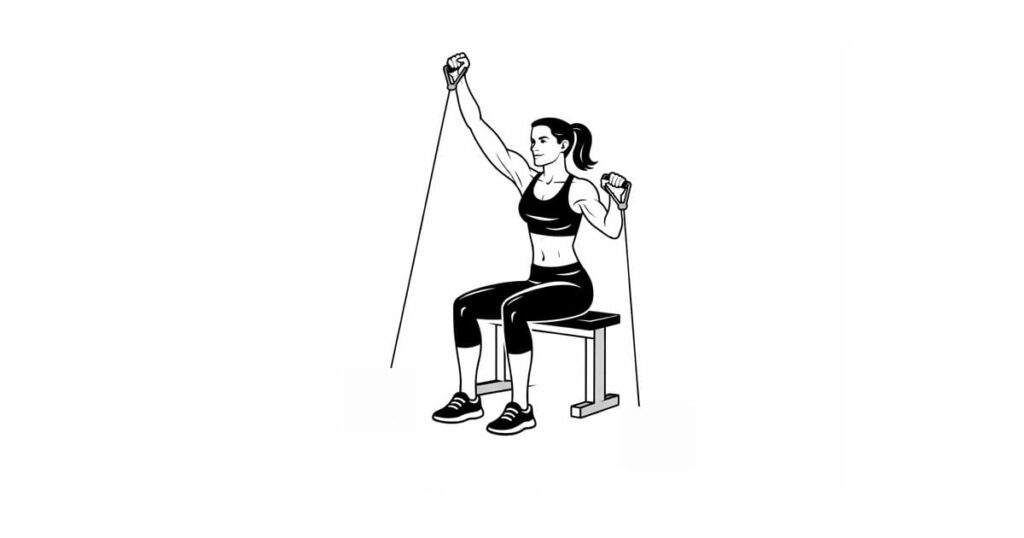
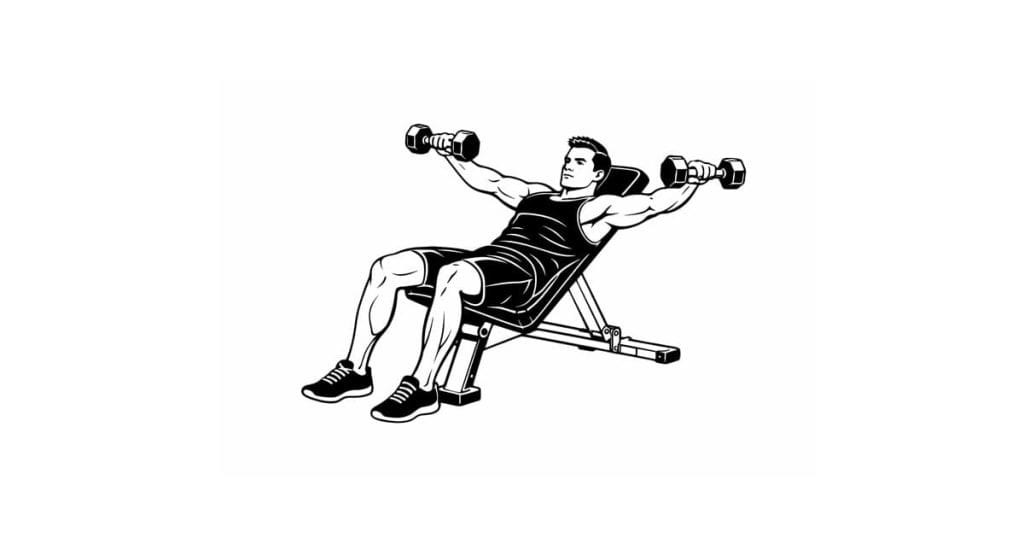
The Dumbbell Seated Lateral Raise is a highly effective isolation exercise that targets the lateral deltoids, helping build shoulder width, definition, and overall upper body symmetry. Performing the movement seated reduces momentum and eliminates lower body assistance, allowing for greater focus and control.
The primary muscle worked is the lateral deltoid, which is responsible for lifting the arms out to the sides. Developing this muscle is key for achieving broader shoulders. The trapezius and upper back assist in stabilizing the movement and maintaining proper alignment.
One of the main benefits of this exercise is improved isolation. Sitting down minimizes body sway and prevents the use of momentum, forcing the shoulders to perform the work. This leads to better muscle activation and more effective strength development.
Another advantage is its simplicity and accessibility. With minimal equipment required, it can be performed in almost any training environment. The seated position also supports better posture, reducing strain on the lower back and helping maintain proper alignment.
The Dumbbell Seated Lateral Raise also enhances shoulder stability. The controlled lifting motion strengthens smaller stabilizing muscles around the shoulder joint, which can improve joint health and reduce injury risk.
Proper technique is essential. The movement should be slow and controlled, with the arms raised using the shoulders rather than swinging the weights. A slight bend in the elbows helps maintain tension and protects the joints.
Maintaining an upright posture is crucial. Keep the chest lifted and the core engaged to support the spine. Avoid leaning forward or backward, as this shifts focus away from the target muscles.
The range of motion should be consistent. Raise the dumbbells to about shoulder height, going higher can place unnecessary stress on the joints and reduce effectiveness. Lowering the weights slowly increases time under tension and improves control.
Breathing and tempo also matter. Exhale as you lift and inhale as you lower, maintaining a steady rhythm. Avoid rushing through repetitions, controlled movement leads to better results.
Common mistakes include using weights that are too heavy, shrugging the shoulders, or relying on momentum. These reduce isolation and increase injury risk.
Overall, the Dumbbell Seated Lateral Raise is a foundational shoulder exercise for building strength, stability, and aesthetics. Its emphasis on strict form and controlled movement makes it a valuable addition to any upper body routine.