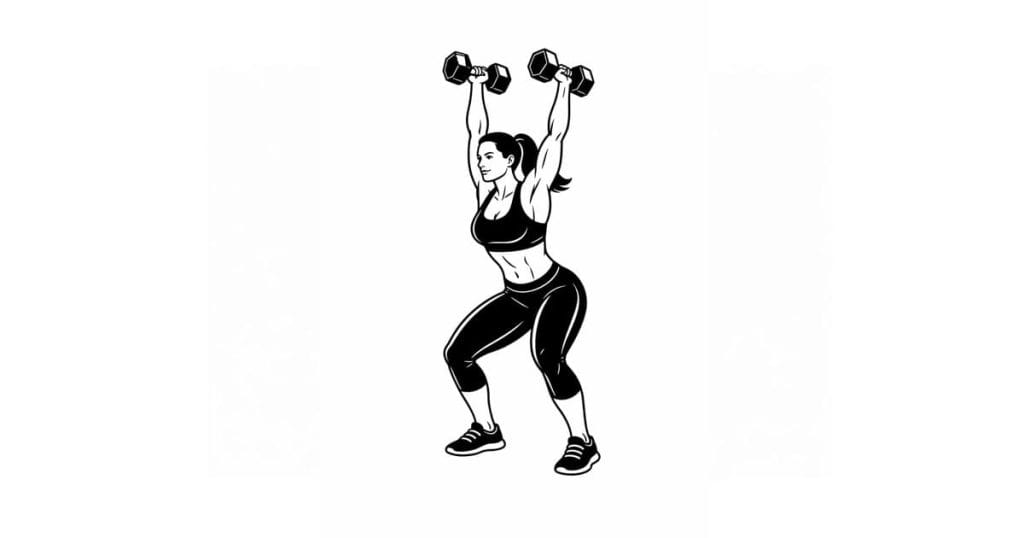
The Dumbbell Lunge Lateral Raise is a compound exercise that combines a lower body lunge with an upper body lateral raise, making it an efficient and functional movement for full-body training. This exercise simultaneously targets the legs and shoulders while also challenging balance, coordination, and core stability.
The primary focus of this exercise is full-body engagement. The quadriceps and glutes are heavily involved during the lunge phase, providing strength and control as you lower and raise your body. At the same time, the lateral deltoids are activated during the raise, helping build shoulder width and definition. Secondary muscles such as the trapezius and upper back assist with shoulder stabilization, while the core works to maintain posture and balance.
One of the key benefits of this exercise is its efficiency. By combining lower and upper body movements into one coordinated action, it allows you to train multiple muscle groups at once. It also improves coordination, as proper timing is required to execute both movements smoothly. This makes it especially useful for functional fitness and total-body conditioning.
To perform the Dumbbell Lunge Lateral Raise, begin by standing upright with a dumbbell in each hand at your sides. Engage your core and maintain a neutral spine. Step forward into a lunge, ensuring your front knee stays aligned over your ankle.
At the bottom of the lunge, raise the dumbbells out to the sides in a controlled motion. Keep a slight bend in your elbows and lift until your arms reach shoulder height. Avoid lifting higher than shoulder level, as this can place unnecessary strain on the shoulders.
Focus on leading with your elbows rather than your hands to properly engage the lateral deltoids. Keep your shoulders relaxed and avoid shrugging, which can shift tension away from the target muscles.
Push through the heel of your front foot to return to the starting position. As you rise, lower the dumbbells back down to your sides with control. Alternate legs or complete all repetitions on one side before switching.
Maintaining a steady tempo is essential. Moving too quickly can reduce muscle activation and increase the risk of losing balance. A controlled descent, smooth raise, and steady return will maximize effectiveness.
Common mistakes include using momentum for the lateral raise, lifting the weights too high, leaning forward during the lunge, and allowing the front knee to collapse inward. These errors can reduce effectiveness and increase injury risk.
The Dumbbell Lunge Lateral Raise is best suited for intermediate individuals who are comfortable with both lunges and lateral raises. Beginners can practice each movement separately before combining them.
Overall, this exercise is a powerful addition to any full-body workout. By combining strength, balance, and coordination, the Dumbbell Lunge Lateral Raise helps develop stronger legs and shoulders while improving overall movement control and functional fitness.