The Dumbbell Deadlift is a fundamental lower-body exercise that focuses on the hip hinge movement pattern. It is widely used to develop strength in the glutes, hamstrings, and lower back while also improving posture, stability, and overall movement efficiency. Because it uses dumbbells instead of a barbell, this variation offers increased flexibility in positioning and is often easier to learn for beginners.
The primary muscles targeted in the Dumbbell Deadlift are the glutes. These muscles are responsible for extending the hips and play a key role in generating power and maintaining proper posture. Strong glutes contribute to improved performance in many other movements and help support the lower back.
Secondary muscles include the hamstrings, which assist in controlling the lowering phase and supporting hip extension. The lower back muscles work to stabilize the spine and maintain a neutral position throughout the movement. The core muscles also play an important role by bracing the torso and preventing excessive movement. The forearms contribute by maintaining grip on the dumbbells.
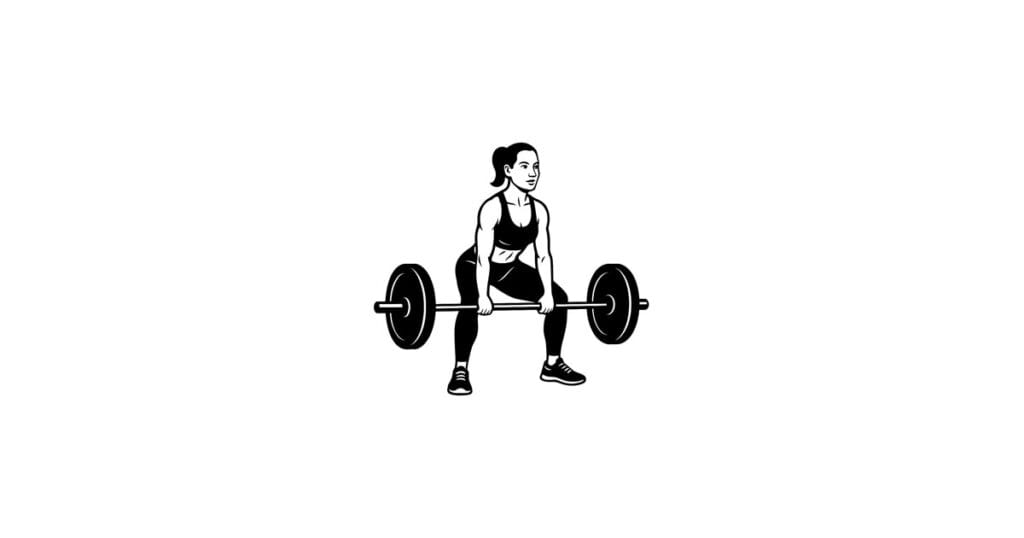
To perform the Dumbbell Deadlift, the exerciser stands upright holding a dumbbell in each hand. The feet are placed hip-width apart, and the dumbbells are positioned in front of the thighs. The movement begins by pushing the hips backward while maintaining a slight bend in the knees.
As the hips move back, the dumbbells are lowered along the front of the legs. The back remains flat, and the chest stays lifted to ensure proper alignment. The movement continues until a stretch is felt in the hamstrings or the dumbbells reach mid-shin level.
At the bottom of the movement, the glutes and hamstrings are engaged to control the position. The exerciser then drives the hips forward to return to the starting position, squeezing the glutes at the top.
One of the main benefits of the Dumbbell Deadlift is improved hip hinge mechanics. Learning how to properly hinge at the hips is essential for safe and effective movement in many exercises and daily activities.
Another advantage is increased muscle activation in the posterior chain, which includes the glutes, hamstrings, and lower back. Strengthening these muscles can help improve posture, reduce the risk of injury, and enhance overall strength.
Proper technique is essential for maximizing results. The spine should remain neutral throughout the movement, and the motion should be controlled at all times. Avoid turning the exercise into a squat by bending the knees excessively.
Common mistakes include rounding the back, allowing the weights to drift away from the body, and using excessive weight. These errors can reduce effectiveness and increase the risk of strain.
The Dumbbell Deadlift is suitable for all fitness levels. Beginners can use it to learn proper movement patterns, while more advanced individuals can use it to build strength and improve performance.
Overall, the Dumbbell Deadlift is an effective and versatile exercise for strengthening the lower body, improving posture, and developing proper movement mechanics. Its simplicity and effectiveness make it a valuable addition to any strength training routine.