The duck walk is a challenging bodyweight exercise that combines lower body strength, mobility, and coordination into a single continuous movement. Performed by walking forward while maintaining a deep squat position, this exercise places a strong emphasis on the quadriceps while also engaging multiple supporting muscle groups. Its unique movement pattern makes it effective for improving both muscular endurance and joint mobility.
The primary muscle group targeted during the duck walk is the quads. Maintaining a deep squat position requires constant tension in the quadriceps, which helps build strength and endurance over time. Because the knees remain bent throughout the movement, the quads are under continuous load, making the exercise particularly effective for developing lower body resilience.
In addition to the quads, the glutes and hamstrings assist in stabilizing the hips and controlling movement. The calves play a role in balance and propulsion, while the hip flexors help lift and move the legs forward with each step. The core muscles are also highly active, working to stabilize the torso and maintain an upright posture.
One of the main benefits of the duck walk is its ability to improve mobility, especially in the hips, knees, and ankles. The deep squat position encourages increased range of motion in these joints, which can translate to better movement quality in other exercises and daily activities. Over time, this can help enhance overall functional fitness.
Another key advantage is the exercise’s impact on coordination and balance. Walking in a deep squat position requires control and body awareness, as the center of gravity remains low and constantly shifts with each step. This makes the duck walk an effective drill for developing stability and coordination.
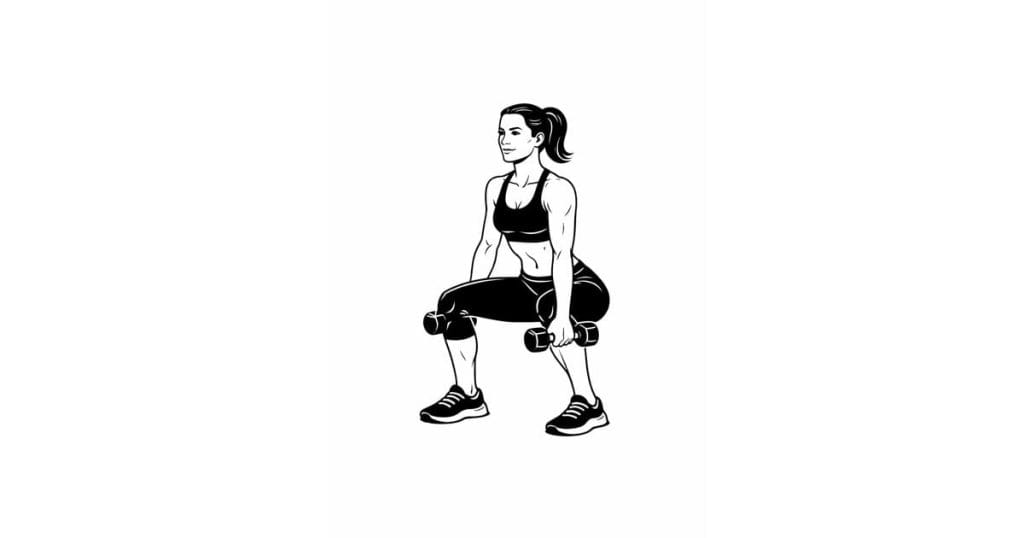
Proper technique is essential to maximize the benefits and reduce the risk of injury. The movement begins with a deep squat, ensuring the hips are below knee level. The chest should remain upright, and the core should be engaged to support the spine. As you step forward, the goal is to stay as low as possible without compromising balance.
Control is more important than speed. Taking small, deliberate steps helps maintain stability and ensures proper muscle engagement. Rushing the movement often leads to poor form, such as rising out of the squat or losing balance.
Breathing should remain steady throughout the exercise. Controlled breathing helps maintain focus and supports core stability, especially during longer sets or distances.
Common mistakes include allowing the knees to collapse inward, rising too high between steps, and leaning forward excessively. These errors can reduce the effectiveness of the exercise and increase stress on the joints.
From a safety perspective, individuals should be mindful of their mobility limitations. The deep squat position can place significant stress on the knees and hips, especially if proper alignment is not maintained. Starting with shorter distances and gradually increasing intensity can help build strength and confidence.
Overall, the duck walk is a highly effective lower body exercise that builds strength, enhances mobility, and improves coordination. Its combination of strength and movement makes it a valuable addition to any routine focused on functional fitness and total-body control.