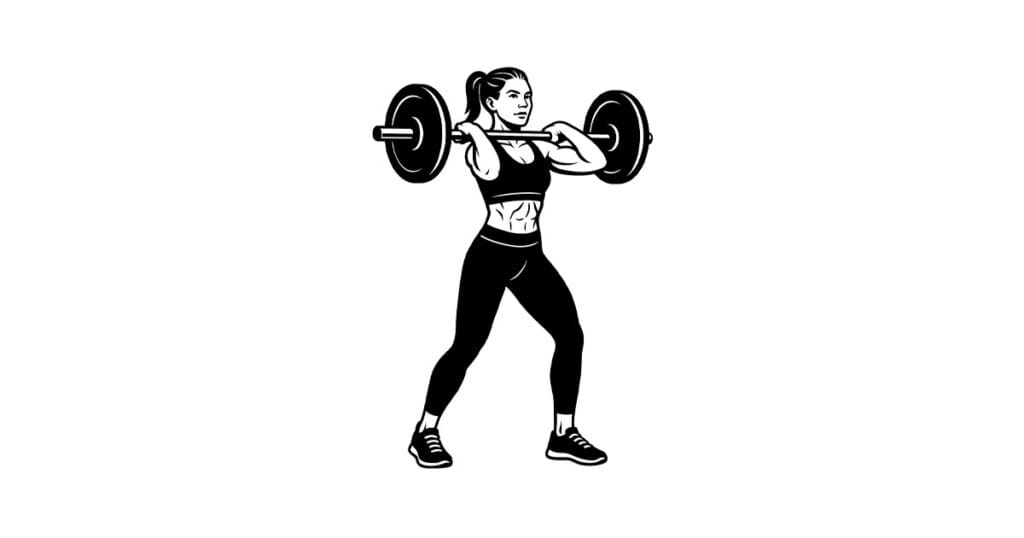
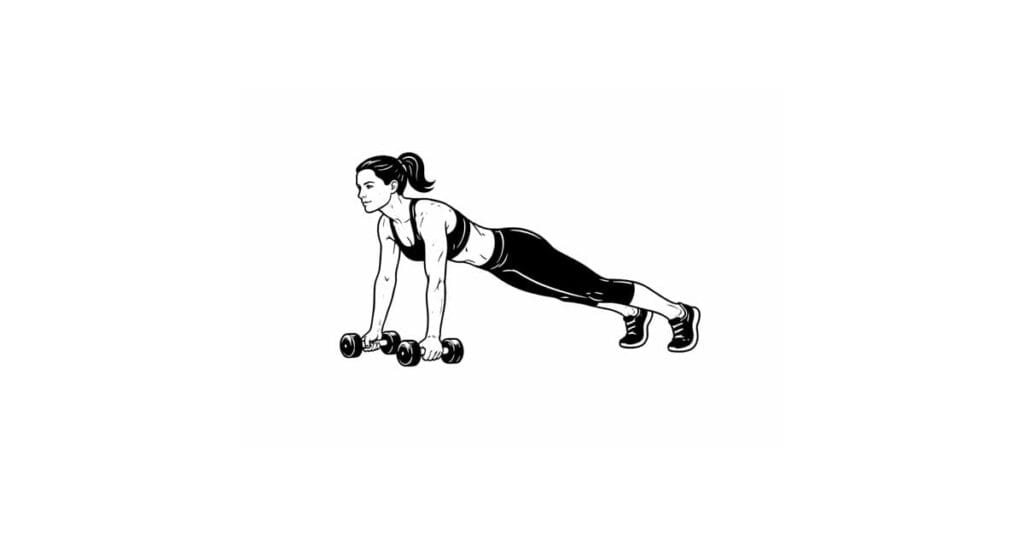
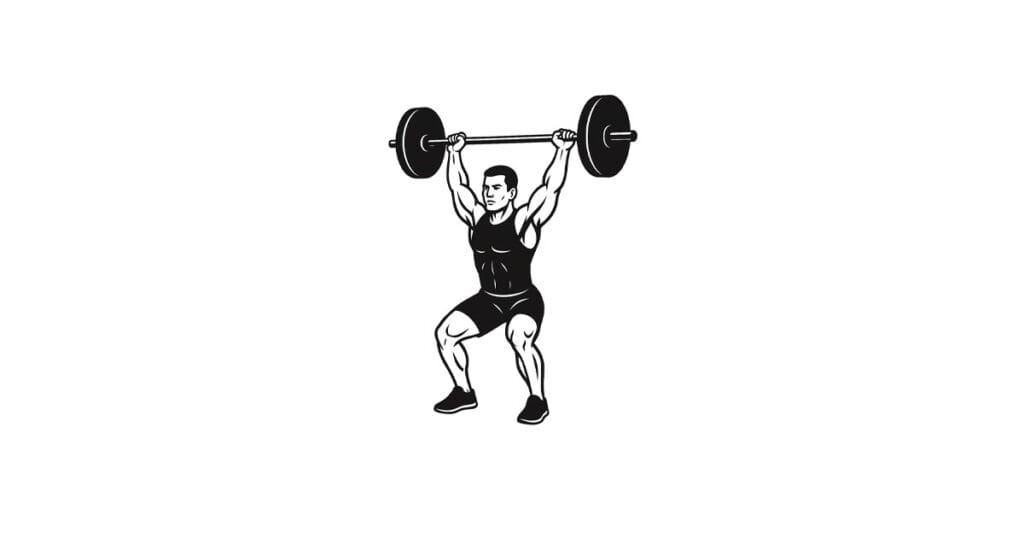
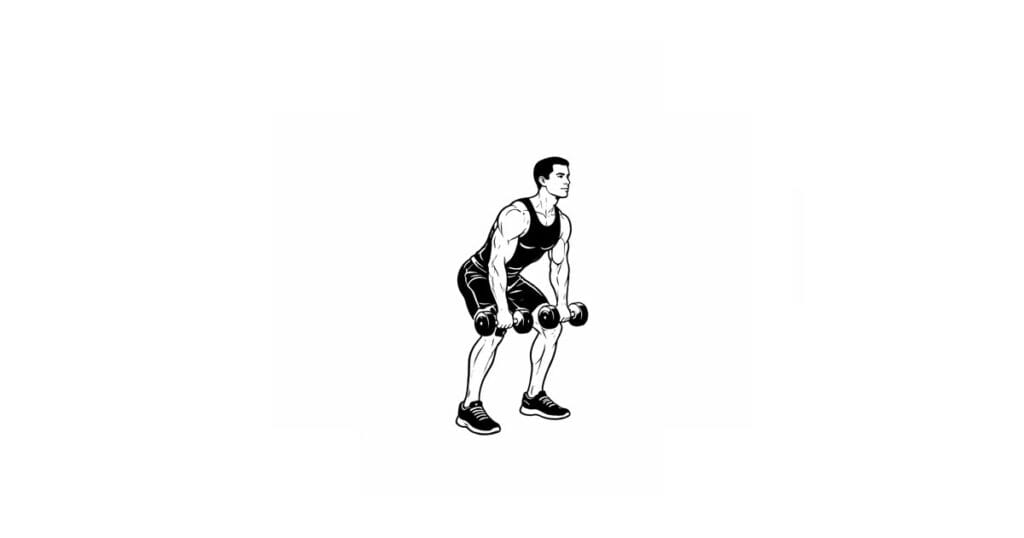
The cross jack is a dynamic, full-body cardio exercise that builds coordination, cardiovascular endurance, and muscular engagement through a rhythmic jumping pattern. It is a variation of the traditional jumping jack, incorporating a crossing motion of the arms and legs to increase complexity and challenge coordination. This movement is commonly used in warm-ups, cardio circuits, and conditioning routines due to its ability to elevate heart rate quickly while engaging multiple muscle groups simultaneously.
The primary muscle group targeted in the cross jack is the full body, as it requires coordinated effort from both the upper and lower body. Secondary muscles include the shoulders, quadriceps, calves, and core, all of which contribute to movement control and stability. The legs drive the jumping and landing mechanics, while the arms add rhythm and coordination. The core plays a key role in stabilizing the torso throughout the movement.
One of the main benefits of the cross jack is its effectiveness in improving cardiovascular fitness. The continuous jumping motion elevates heart rate and promotes better circulation, making it a valuable exercise for building endurance. It is also efficient for calorie burning due to the involvement of large muscle groups.
In addition to cardio benefits, the cross jack enhances coordination and agility. The crossing pattern of the arms and legs requires timing and control, helping improve neuromuscular coordination and body awareness. This makes it especially useful for developing smoother, more efficient movement patterns.
The exercise also supports lower body strength and endurance. The repeated jumping and landing activate the quadriceps, calves, and glutes, contributing to muscular resilience and joint stability over time.
Proper technique is important for maximizing benefits and reducing injury risk. Start in a stable standing position, then jump while crossing your feet and bringing your arms across your body. Alternate which leg and arm crosses in front with each repetition to ensure balanced development.
Maintaining good posture is essential. Keep the chest lifted and the core engaged to support the spine. Land softly with a slight bend in the knees to absorb impact and protect the joints.
Breathing should remain steady and in rhythm with the movement. Consistent breathing helps maintain endurance and prevents early fatigue.
Common mistakes include moving too quickly without control, failing to alternate sides, and landing too heavily. These can reduce effectiveness and increase strain on the joints. Focusing on smooth, controlled repetitions leads to better results.
From a safety perspective, the cross jack can be modified for lower impact by stepping the feet instead of jumping. This makes it accessible for beginners or those with joint concerns while still providing cardiovascular benefits.
The cross jack can be incorporated into warm-ups, cardio workouts, or circuit training. Its combination of coordination, endurance, and full-body engagement makes it a versatile addition to any routine.
Overall, the cross jack is an effective and engaging exercise for improving cardiovascular fitness, coordination, and muscular endurance. Its dynamic movement pattern makes it a valuable tool for enhancing overall fitness.