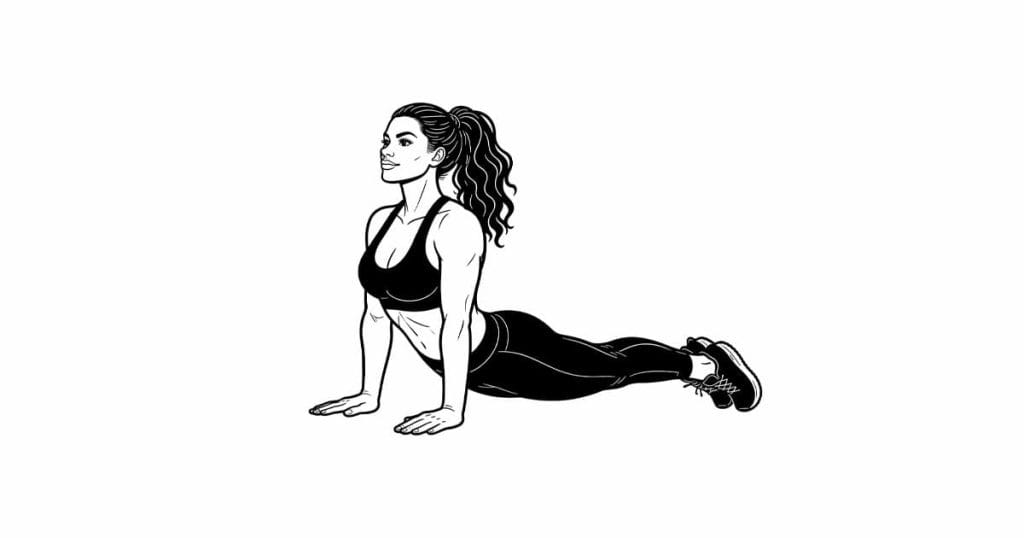
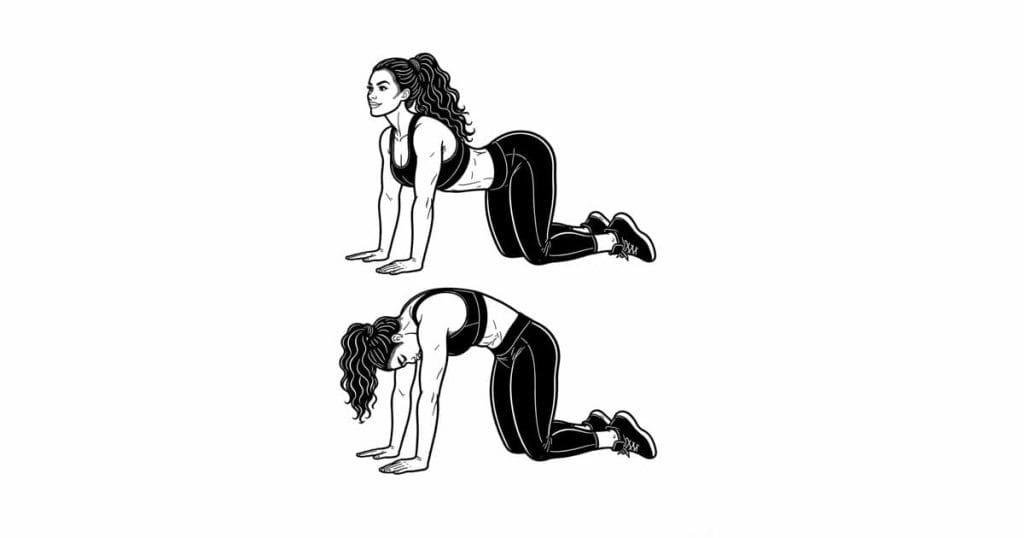
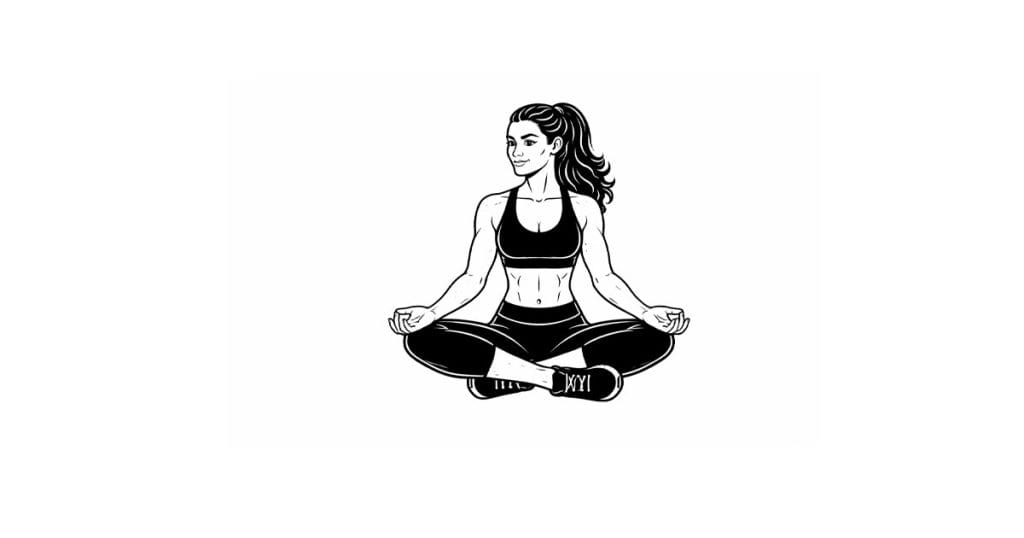
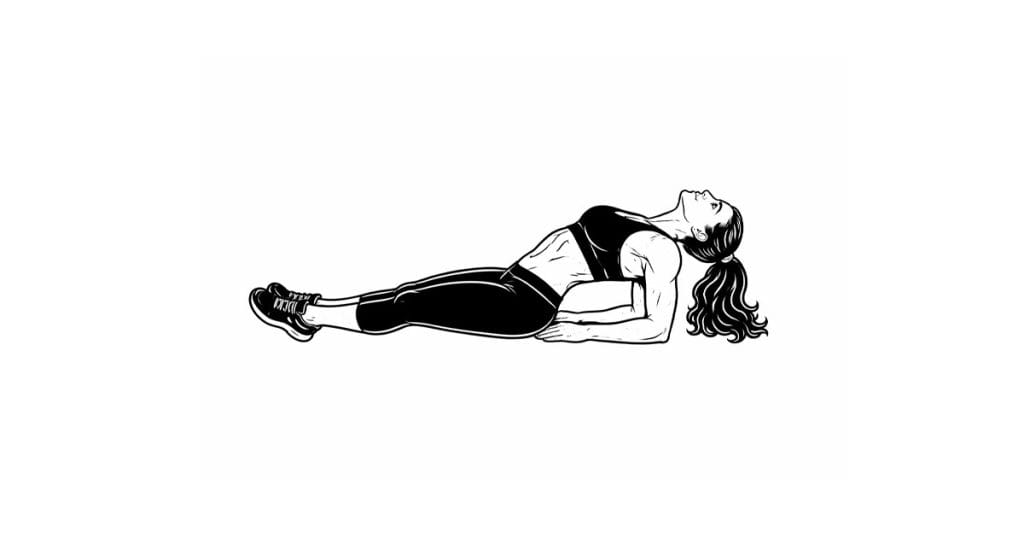
Corpse Pose, commonly known as Savasana, is a foundational relaxation exercise used to promote full-body recovery, mental clarity, and deep relaxation. Despite its simple appearance, this pose plays a critical role in balancing the body and mind after physical activity or during periods of stress. It is often performed at the end of a session to allow the body to absorb the benefits of movement while calming the nervous system.
The primary focus of Corpse Pose is not on muscular effort but on releasing tension and restoring balance. As a result, it is categorized under mobility due to its role in improving overall body awareness and relaxation. While no major muscle groups are actively engaged, the entire body benefits from the release of accumulated tension, making it a full-body restorative practice.
One of the main benefits of Corpse Pose is its ability to activate the parasympathetic nervous system, helping the body shift into a state of rest and recovery. This can lead to reduced stress levels, improved heart rate regulation, and enhanced mental clarity. By focusing on breathing and relaxation, the pose encourages a deeper connection between the mind and body.
Another key advantage of this exercise is its accessibility. Corpse Pose can be performed by individuals of all fitness levels, making it an excellent choice for beginners and experienced practitioners alike. It requires no equipment and can be done virtually anywhere, providing a simple yet effective way to promote relaxation and recovery.
Proper technique is essential to fully benefit from Corpse Pose. The body should be positioned comfortably on the floor, with the legs extended and slightly apart, and the arms resting at the sides with palms facing upward. The goal is to eliminate unnecessary muscular effort, allowing gravity to naturally settle the body into a state of rest. Small adjustments, such as placing a cushion under the knees or head, can enhance comfort and reduce strain.
Breathing is a central component of this exercise. Slow, controlled breaths help calm the mind and encourage deeper relaxation. Focusing on the rhythm of inhalation and exhalation can also improve mindfulness and reduce mental distractions.
Mental focus is equally important. While thoughts may arise, the aim is to gently bring attention back to the breath and bodily sensations. This practice can improve concentration and reduce stress over time.
Common mistakes include holding tension in areas such as the shoulders, face, or jaw, and failing to fully relax the body. These habits can limit the effectiveness of the pose. Consciously releasing tension and scanning the body for tightness can help deepen relaxation.
From a safety perspective, comfort is key. Using a supportive surface and making adjustments as needed can prevent discomfort and allow for a more restorative experience. Transitioning out of the pose slowly is also important to avoid dizziness or sudden strain.
Corpse Pose can be incorporated at the end of workouts, yoga sessions, or even as a standalone relaxation practice. Its calming effects make it especially useful for recovery, stress management, and improving overall well-being.
Overall, Corpse Pose is a simple yet powerful exercise that supports physical recovery, mental relaxation, and overall wellness. Its emphasis on stillness, breath, and awareness makes it an essential component of any balanced fitness or mindfulness routine.