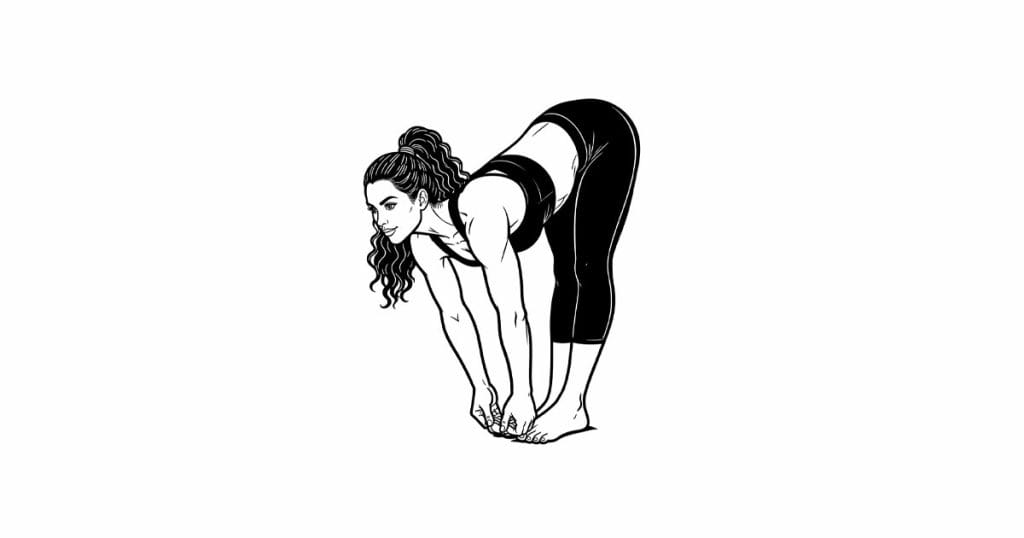
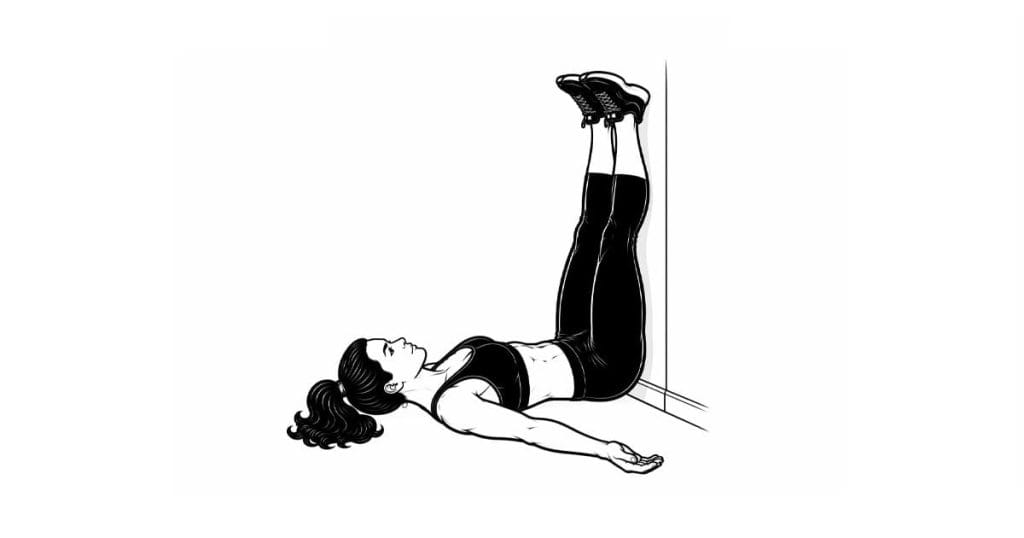
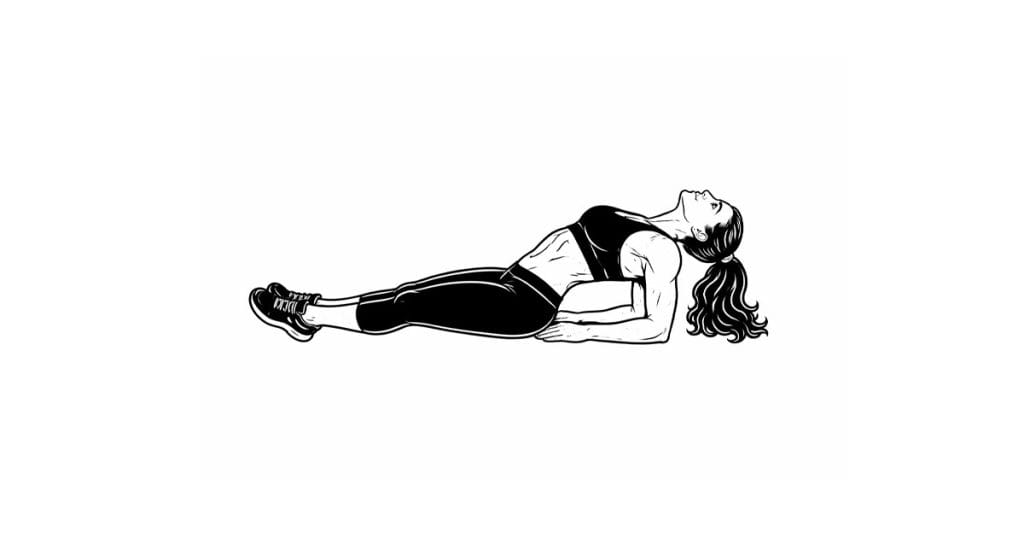
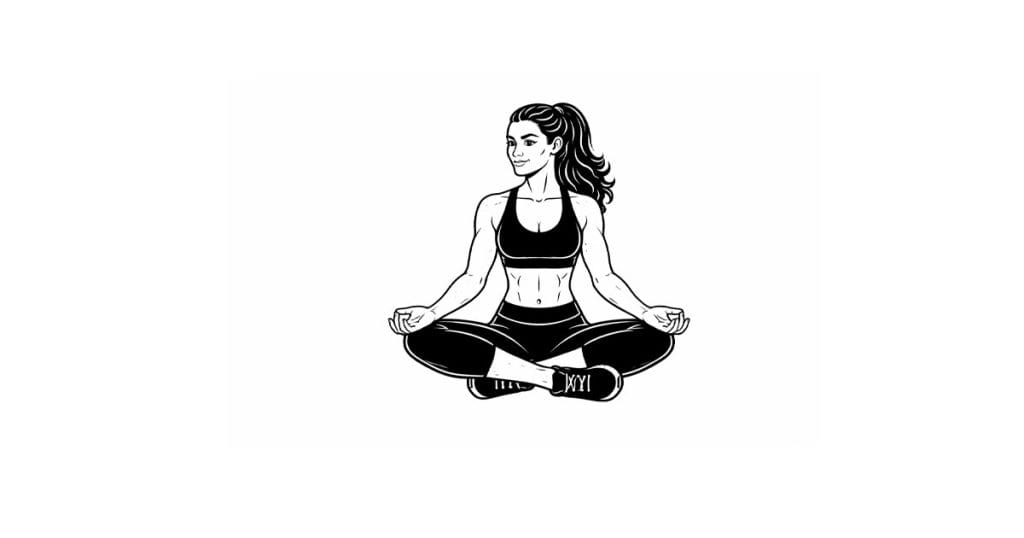
The cat cow is a foundational mobility exercise that improves spinal flexibility, coordination, and overall movement quality through controlled, rhythmic motion. By alternating between spinal extension and flexion, this movement gently mobilizes the entire spine, helping to maintain healthy joint function and reduce stiffness. Its simplicity and low-impact nature make it suitable for individuals of all fitness levels.
This exercise primarily targets spinal mobility by moving the back through its full range of motion. The transition between arching and rounding the spine helps maintain flexibility in the vertebrae and surrounding tissues, which is essential for proper posture and efficient movement. Regular practice can help counteract the effects of prolonged sitting and inactivity.
In addition to the spine, several supporting muscle groups are engaged. The core stabilizes the torso, while the muscles of the upper and lower back control the movement. The hips and pelvis also play a role in maintaining alignment, contributing to improved body awareness and coordination.
One of the key benefits of the cat cow is enhanced spinal mobility. Moving through controlled flexion and extension helps reduce stiffness and promotes healthier movement patterns. This can lead to improved posture and decreased discomfort in the back and neck.
Another important advantage is the connection between breathing and movement. Coordinating breath with each phase encourages relaxation and helps regulate movement. This not only improves the effectiveness of the exercise but also supports better breathing habits and overall body control.
The cat cow is also highly effective as a warm-up. Its gentle, flowing motion increases blood flow to the muscles and prepares the spine for more demanding activity. This makes it a valuable addition to pre-workout routines or recovery sessions.
Proper technique is essential for maximizing results. The movement should be slow and deliberate, focusing on articulating each segment of the spine rather than rushing through the motion. Maintaining stability in the shoulders and engaging the core helps ensure proper alignment.
Common mistakes include moving too quickly, overextending the lower back, or focusing only on the neck instead of the entire spine. These errors can reduce effectiveness and lead to discomfort. Emphasizing smooth, controlled movement helps maintain proper form.
From a safety perspective, the cat cow is generally low-risk, but movements should remain within a comfortable range of motion. Avoiding excessive force and using a padded surface can help improve comfort and protect the joints.
Overall, the cat cow is a simple yet highly effective exercise for improving spinal mobility, enhancing coordination, and promoting relaxation. Its versatility makes it a valuable addition to any routine focused on movement quality and overall well-being.