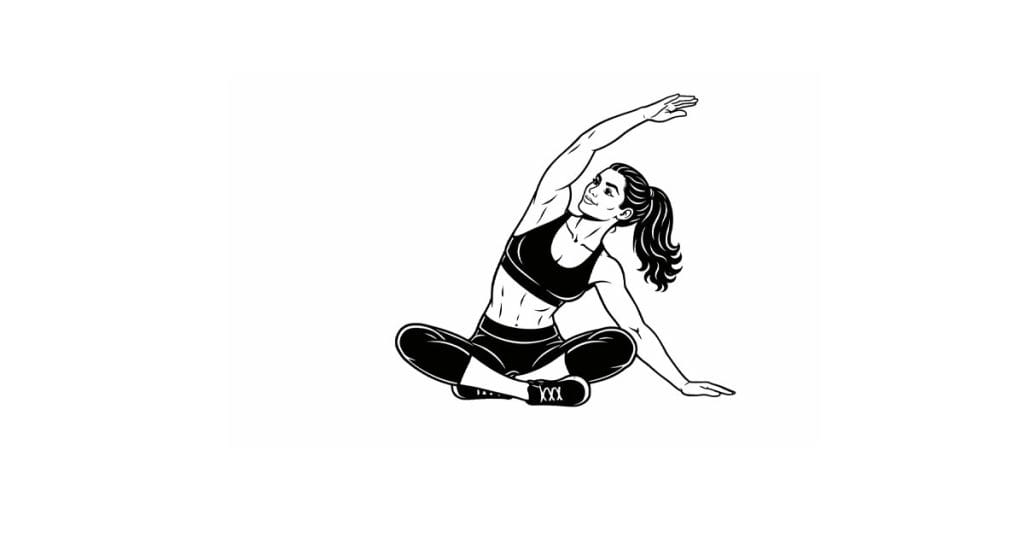
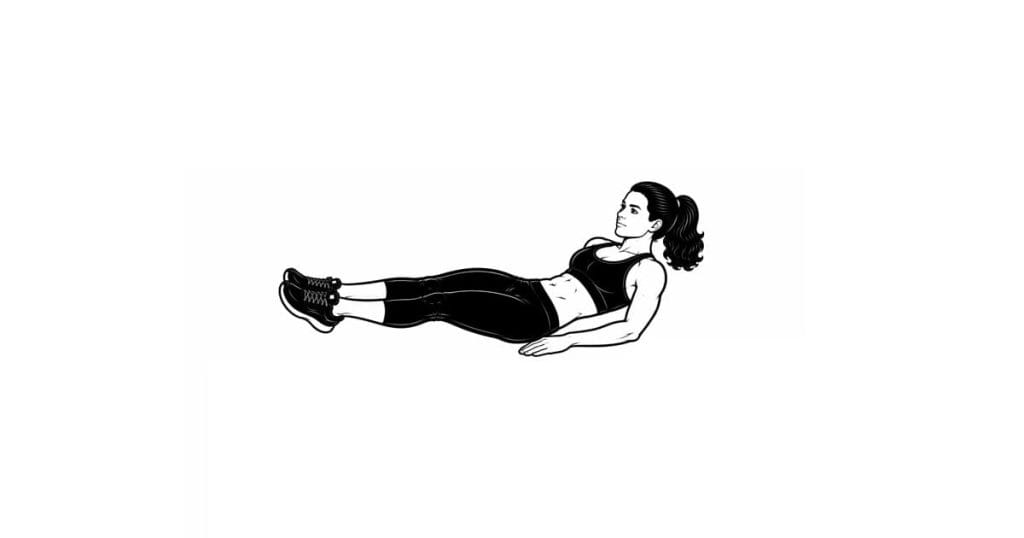
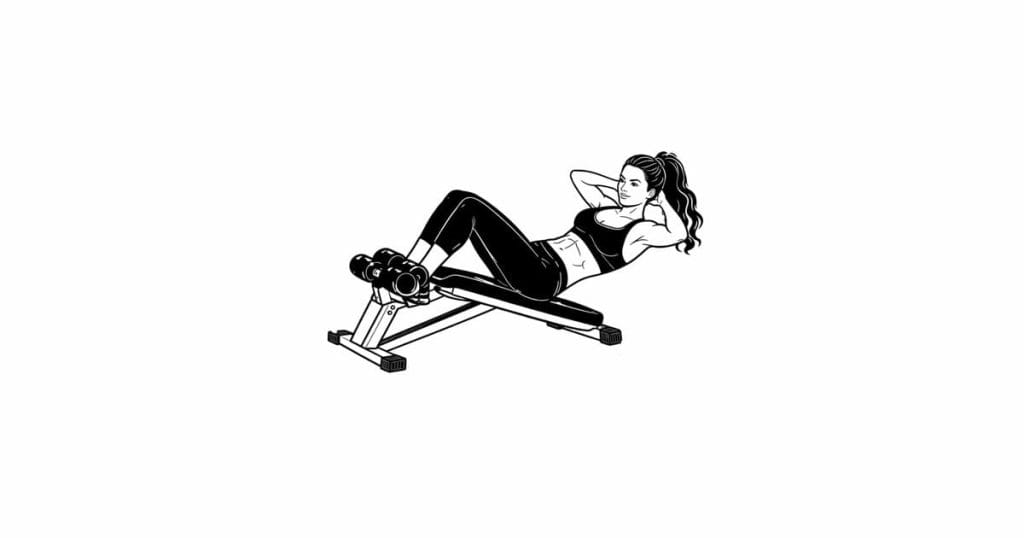
The BOSU Oblique Crunch is a core-strengthening exercise that targets the obliques while using the curved surface of a BOSU trainer to increase the range of motion compared to a traditional side crunch. The BOSU allows the torso to move into a deeper stretch before each repetition, increasing time under tension and improving muscle activation throughout the movement. This makes the exercise an excellent choice for developing lateral core strength, muscular endurance, and trunk stability.
The primary muscle group targeted during the BOSU Oblique Crunch is the abs/core, with particular emphasis on the internal and external obliques. These muscles contract to bend the torso sideways and stabilize the spine throughout each repetition, helping develop stronger lateral core muscles and improved control during rotational movements.
Secondary muscles include the rectus abdominis, deep core stabilizers, and hip flexors. The rectus abdominis and transverse abdominis help stabilize the trunk, while the hip flexors assist in maintaining pelvic position. Because the BOSU creates a slightly unstable surface, additional stabilizing muscles throughout the core remain active to maintain balance and proper alignment.
One of the primary benefits of the BOSU Oblique Crunch is its increased range of motion. The curved BOSU dome allows the torso to extend farther than it can on the floor, creating a greater stretch through the obliques before each contraction. This extended movement can improve muscle activation and overall core development.
Another key benefit is improved lateral core strength. Strengthening the obliques helps support spinal stability, posture, and efficient movement during activities that involve side bending or trunk rotation. A stronger lateral core also contributes to better balance and injury prevention.
The BOSU Oblique Crunch also improves body awareness and trunk control. Performing the exercise on an unstable surface requires greater coordination and stability, helping develop neuromuscular control that transfers to athletic performance and everyday movement.
To perform the exercise, place the BOSU dome-side up on a stable surface and sit sideways with one hip positioned near the center of the dome. Bend your knees and place both feet firmly on the floor. Lean your torso sideways over the BOSU until you feel a comfortable stretch along your waist, then lightly place your hands behind your head or cross your arms over your chest.
Contract your oblique muscles to lift your torso upward by bringing your ribs toward your hip. Pause briefly at the top while squeezing your side, then slowly lower yourself back over the BOSU under control until you feel a comfortable stretch before beginning the next repetition. Complete all repetitions on one side before switching.
Proper technique is essential for maximizing results. Keep your neck relaxed, move slowly and deliberately, and focus on side bending rather than twisting. Allow the BOSU to increase your range of motion while maintaining full control throughout each repetition.
Common mistakes include pulling on the neck, performing only a partial range of motion, rotating the torso instead of bending sideways, using momentum, and allowing the hips to shift excessively. These errors reduce oblique activation and decrease the effectiveness of the exercise.
From a safety perspective, move only through a comfortable range of motion and avoid forcing the stretch. Keep your core engaged throughout the exercise and maintain smooth, controlled movements. Beginners can reduce the range of motion until they develop sufficient strength and stability.
Overall, the BOSU Oblique Crunch is an effective exercise for strengthening the obliques, improving lateral trunk stability, and developing a stronger, more functional core. Its increased range of motion and balance demands make it an excellent progression from traditional floor side crunches.