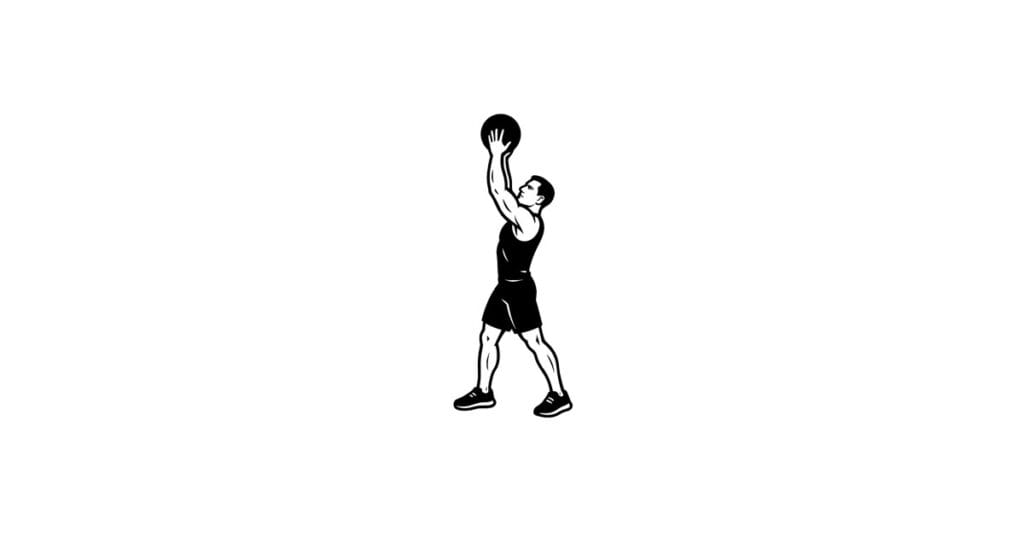
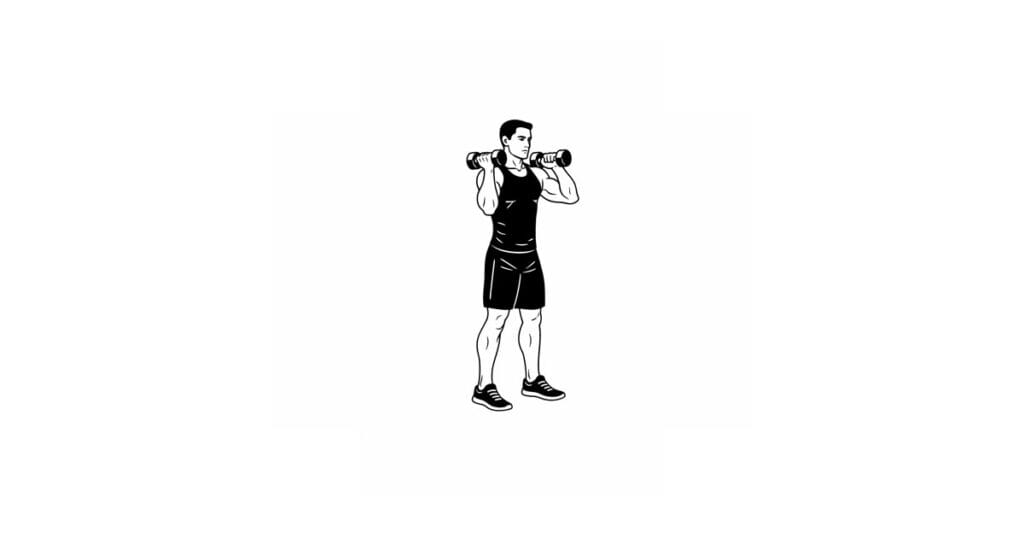
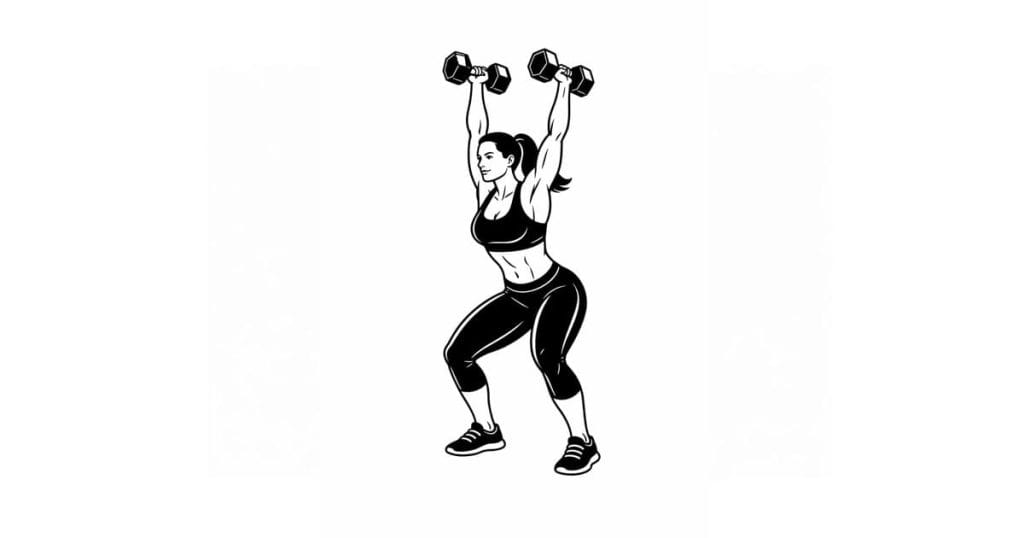
The Barbell Clean & Jerk is one of the two Olympic weightlifting competition lifts, combining explosive strength, coordination, and mobility in a full-body movement. It is performed in two distinct phases: the clean, where the barbell is lifted from the floor to the shoulders in one powerful motion, and the jerk, where the bar is driven overhead to full lockout. Together, these phases test and develop total-body strength, speed, and precision.
During the clean, the lower body provides the majority of the power, with the quads, hamstrings, and glutes driving the bar upward while the back and core stabilize the torso. The lifter then catches the bar in a front rack position on the shoulders. From here, the jerk begins, relying on explosive leg drive, shoulder stability, and triceps strength to press the bar overhead to a stable, locked-out position.
The Clean & Jerk is not only a measure of raw strength but also of coordination, balance, and athletic ability. It builds explosive power, improves posture, and enhances functional strength, making it a valuable exercise for athletes across many sports. Secondary benefits include improved mobility, core stability, and overall conditioning.
Because of its technical demands, the lift is considered advanced and best performed by experienced lifters or under professional coaching. Proper timing, bar path, and speed are essential for safe and effective execution. Common errors include pulling with the arms too early, catching the bar with a rounded back, or pressing rather than driving explosively during the jerk.
When executed correctly, the Barbell Clean & Jerk develops total-body power, improves athletic performance, and builds strength that carries over into nearly every aspect of sport and fitness. It remains a cornerstone of Olympic lifting and an essential test of strength, speed, and coordination.