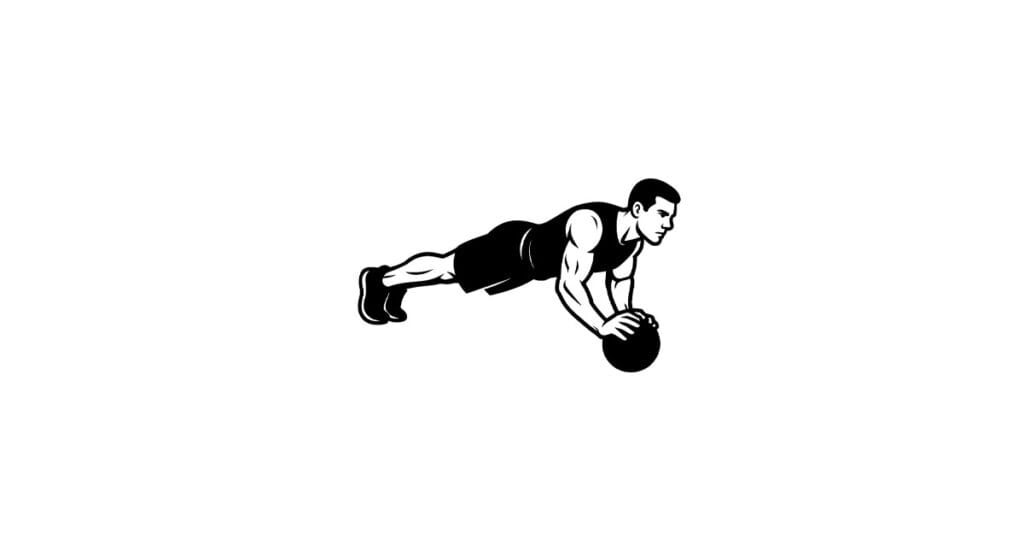
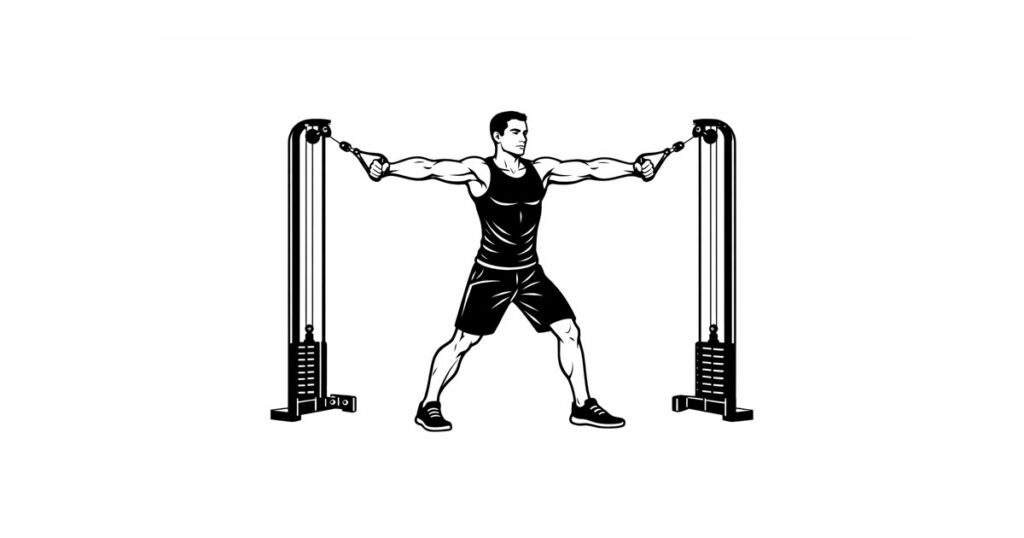
Archer push-ups are an advanced bodyweight exercise that significantly challenge upper body strength, unilateral control, and core stability. As a progression from the traditional push-up, this movement shifts the majority of the load onto one side at a time, making it an effective stepping stone toward single-arm push-ups. The wide hand placement allows for lateral weight transfer, increasing the demand on strength, coordination, and muscular balance.
The exercise emphasizes the chest, shoulders, and triceps, with a strong focus on unilateral strength development. As the body lowers toward one side, the working arm takes on most of the load while the opposite arm remains extended and supportive. This asymmetrical loading forces each side of the body to work independently, helping to correct imbalances and improve overall strength symmetry.
A key benefit of archer push-ups is the increased muscle activation in the chest, particularly due to the deeper stretch achieved at the bottom of the movement. This extended range enhances tension and contributes to muscle development. The shoulders and triceps assist in pressing the body back to the starting position, while the non-working arm stabilizes and guides the movement.
Core engagement plays a critical role in maintaining proper form. Because the movement involves shifting weight from side to side, the torso must resist rotation and remain stable. This adds an additional layer of difficulty, turning the exercise into both a strength and stability challenge. Proper bracing helps keep the hips aligned and prevents unwanted movement that could reduce effectiveness or increase injury risk.
Archer push-ups are also versatile and can be adapted to different fitness levels. Adjustments in range of motion or hand positioning can make the exercise more accessible or more challenging, allowing for gradual progression as strength improves.
Proper technique is essential for maximizing benefits. The movement should be controlled, with a deliberate shift of weight onto the working side. The non-working arm should remain straight but engaged, assisting without taking over the movement. Maintaining a straight body line ensures that the upper body muscles are effectively targeted.
Common mistakes include failing to shift weight fully, bending both arms equally, and allowing the hips to sag or rotate. These errors reduce the effectiveness of the exercise and may place unnecessary strain on the shoulders and lower back.
From a safety perspective, maintaining alignment and controlled movement is key. Keeping the elbows at a natural angle and the core engaged helps protect the joints and ensures proper muscle activation.
Overall, archer push-ups are a powerful exercise for building upper body strength, improving muscular balance, and enhancing core stability. Their demanding nature makes them an excellent progression for individuals looking to advance beyond standard push-up variations.