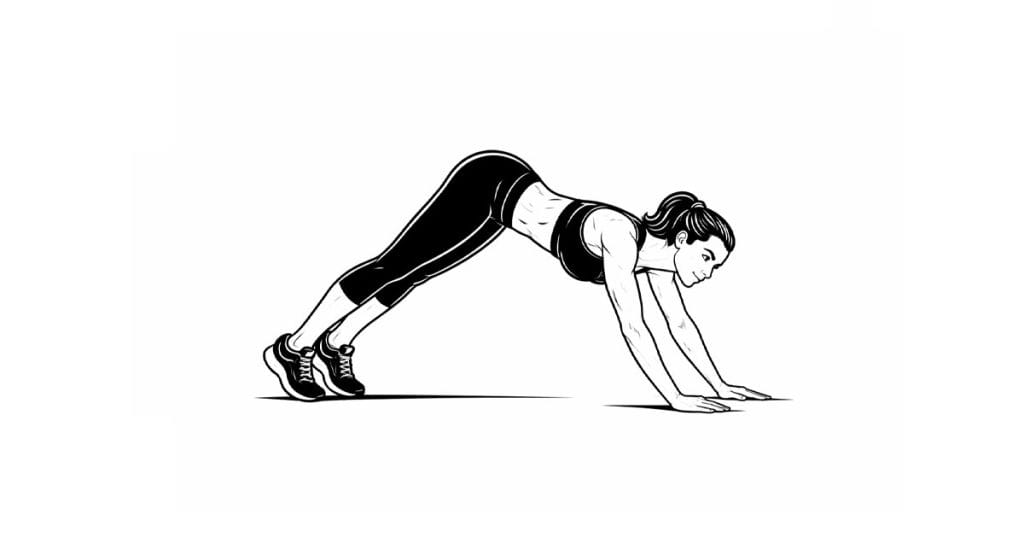
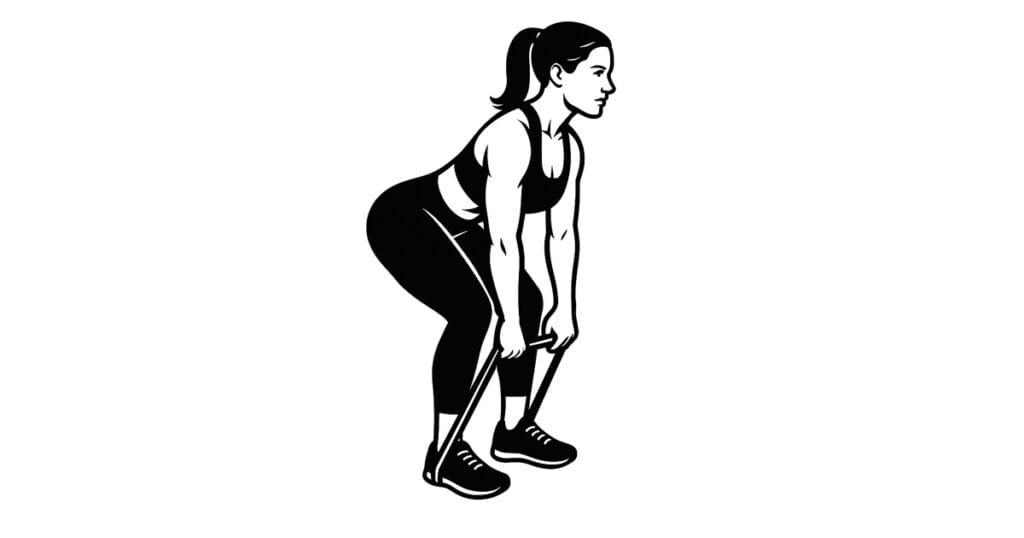
The single-leg windmill is a functional lower body exercise that focuses on balance, stability, and posterior chain strength. This movement combines a single-leg stance with a hip hinge and reaching motion, making it an effective exercise for improving coordination, mobility, and muscular control. It is commonly used in strength training, injury prevention programs, and mobility routines due to its ability to challenge multiple systems simultaneously.
The primary muscle group targeted during the single-leg windmill is the hamstrings. These muscles are responsible for controlling the hip hinge and helping stabilize the body as the torso lowers toward the ground. Strengthening the hamstrings through controlled eccentric movement can improve overall lower body function and reduce the risk of injury.
Secondary muscles play an important supporting role in this exercise. The glutes are heavily involved in stabilizing the hips and assisting in returning to the upright position. The core muscles work to maintain balance and prevent excessive rotation or collapse of the torso. Additionally, the lower back muscles help support spinal alignment throughout the movement.
One of the main benefits of the single-leg windmill is improved balance and proprioception. By standing on one leg while performing a controlled hinge, the body must constantly adjust to maintain stability. This enhances neuromuscular coordination and improves the body’s ability to control movement in different positions.
Another key benefit is increased hip mobility and flexibility. The hinging motion encourages proper hip mechanics while gently stretching the hamstrings. Over time, this can lead to improved range of motion and more efficient movement patterns.
The single-leg windmill also promotes functional strength. Many everyday activities, such as bending, reaching, and picking objects up from the ground, require similar movement patterns. Training this exercise helps reinforce proper mechanics and builds strength in a way that transfers to real-world tasks.
To perform the single-leg windmill, stand on one leg with a slight bend in the knee and extend the opposite leg behind you. Hinge at the hips while reaching toward the standing foot, keeping your back flat and your hips square. Return to the starting position with control and repeat.
Proper technique is essential for maximizing the benefits of this exercise. Focus on maintaining a neutral spine and avoiding rounding of the lower back. Keep your movements slow and controlled, and ensure that your hips remain level throughout the motion.
Common mistakes include rotating the hips, locking the standing knee, and using momentum to complete the movement. These errors can reduce the effectiveness of the exercise and increase the risk of strain.
From a safety perspective, it is important to stay within your range of motion and avoid overreaching. Using a wall or stable surface for support can help beginners maintain balance while learning proper technique.
Overall, the single-leg windmill is a highly effective exercise for developing balance, improving hip mobility, and strengthening the posterior chain. Its combination of stability and movement control makes it a valuable addition to any well-rounded fitness routine.