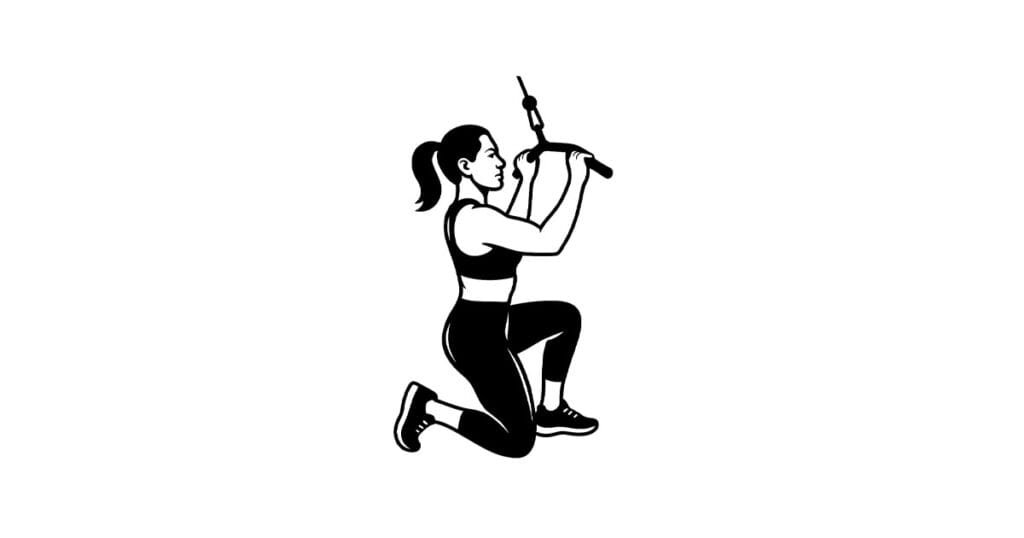
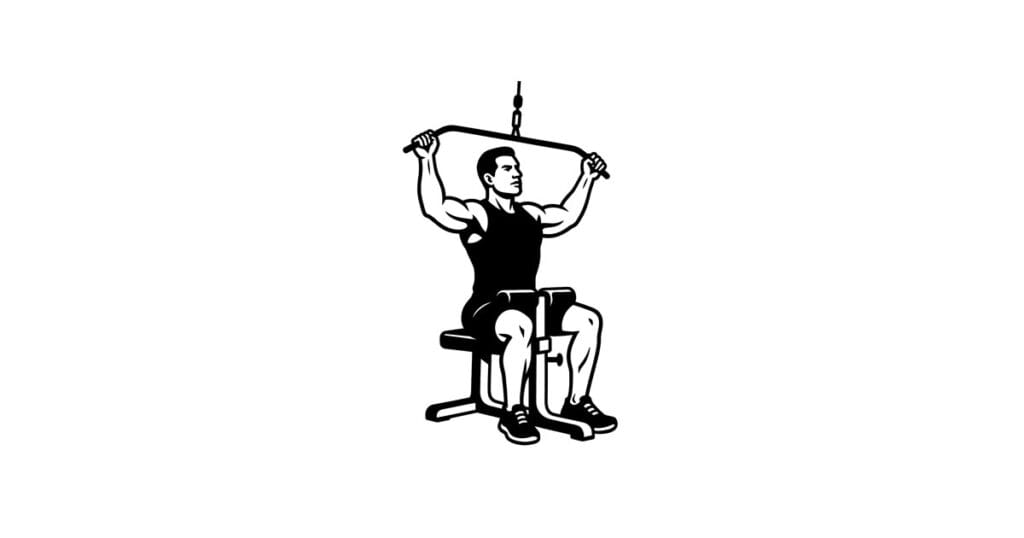
The Pull-Up is a classic bodyweight upper-body strength exercise performed by hanging from a pull-up bar with an overhand grip and pulling the body upward until the chin reaches or passes the bar. It is one of the most effective exercises for developing the lats and overall upper-body pulling strength. The upper back, biceps, forearms, shoulders, traps, and core also contribute throughout the movement, making the Pull-Up a compound exercise that challenges multiple muscle groups at the same time.
The lats are the primary muscle group worked during Pull-Ups. These large muscles run along the sides of the back and help pull the upper arms downward toward the torso. The upper-back muscles assist with controlling the shoulder blades, while the biceps contribute to elbow flexion as the body rises. The forearms maintain a secure grip on the bar, and the shoulders and traps help stabilize the shoulder complex. The abdominal muscles keep the torso and pelvis controlled beneath the bar.
To perform a Pull-Up, stand underneath a secure pull-up bar and grip it slightly wider than shoulder-width with your palms facing away from you. Wrap your fingers and thumbs securely around the bar. Lift your feet from the floor and begin in a hanging position with your arms extended. Maintain active shoulders rather than allowing the shoulders to collapse completely toward your ears. Brace your core and establish a stable body position before beginning the pull.
Initiate the movement by pulling your shoulder blades down and establishing tension through your lats and upper back. Bend your elbows and begin pulling your body upward. Think about driving your elbows down toward your sides rather than simply trying to pull yourself upward with your hands. Keep your chest lifted and your torso controlled as you approach the bar.
Continue pulling until your chin reaches or passes the level of the bar. Maintain a natural head and neck position rather than extending your neck forward simply to clear the bar. The height should come from pulling the body upward through muscular effort. Pause briefly at the top while maintaining tension through the back and arms.
Begin the descent by gradually extending your elbows and lowering your body under control. Continue until your arms are fully extended and you have returned to the starting hanging position. Avoid dropping rapidly or suddenly relaxing through the shoulders at the bottom. Reset your shoulder position and core before beginning the next repetition.
The overhand grip is one of the defining characteristics of the Pull-Up. This grip differs from the underhand position used during a Chin-Up and the palms-facing position used during a Neutral Grip Pull-Up. Although all three exercises use a vertical pulling pattern, changes in hand and elbow position alter how the muscles contribute to the movement. The traditional Pull-Up remains strongly focused on the lats and upper back while also requiring substantial assistance from the arms and grip.
Grip width can influence both comfort and technique. A position slightly wider than shoulder-width works well for many people because it allows the elbows and shoulders to move through a strong pulling path. An excessively wide grip can reduce the available range of motion and may create uncomfortable shoulder positioning. The grip should allow you to pull smoothly while maintaining control through the shoulders, elbows, and wrists.
Scapular control is important for efficient Pull-Up technique. Rather than immediately bending the elbows from a relaxed hanging position, establish tension by pulling the shoulders down. This helps engage the lats and upper back before the arms begin contributing more strongly. The shoulder blades should move naturally throughout the repetition rather than being forced into a completely fixed position.
Core stability also plays an important role. The abdominal muscles help prevent excessive arching, kicking, and swinging as the body moves toward the bar. Keep the legs controlled beneath the torso. Depending on the height of the bar, the legs may remain straight or the knees may bend slightly, but unnecessary lower-body movement should be minimized.
Using momentum is one of the most common Pull-Up mistakes. Swinging the legs or rapidly extending the hips can help move the body upward, but it reduces the controlled muscular demand of the exercise. For a standard strength-focused Pull-Up, each repetition should be performed smoothly with minimal swinging.
Another common mistake is using an incomplete range of motion. A controlled Pull-Up generally begins with the arms extended and finishes when the chin reaches or passes the bar. Cutting the descent short or stopping the upward phase too early reduces the available range. The range should remain consistent while proper technique can be maintained.
The lowering phase is equally important. Lowering too quickly removes much of the muscular control required during the eccentric portion of the exercise. A controlled descent keeps the lats, upper back, and arms engaged as they lengthen under tension and allows the shoulders to return smoothly to the starting position.
Overall, the Pull-Up is an effective bodyweight exercise for strengthening the lats, upper back, biceps, forearms, shoulders, and core. It requires only a secure pull-up bar while providing a significant challenge to upper-body strength and control. When performed with an appropriate grip width, active shoulders, a braced core, full range of motion, minimal swinging, and a controlled descent, Pull-Ups provide a highly effective way to develop vertical pulling strength, grip strength, and upper-body muscular control.