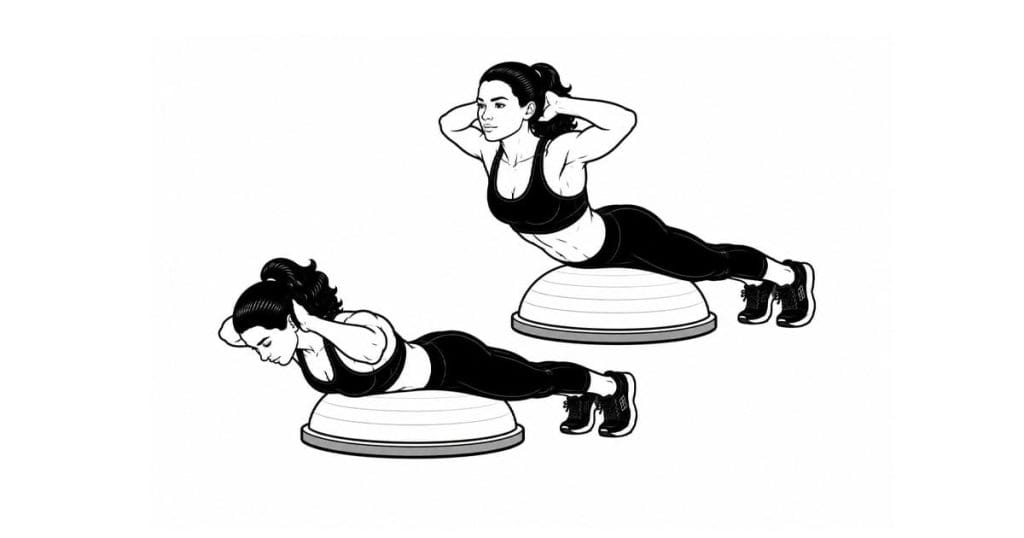
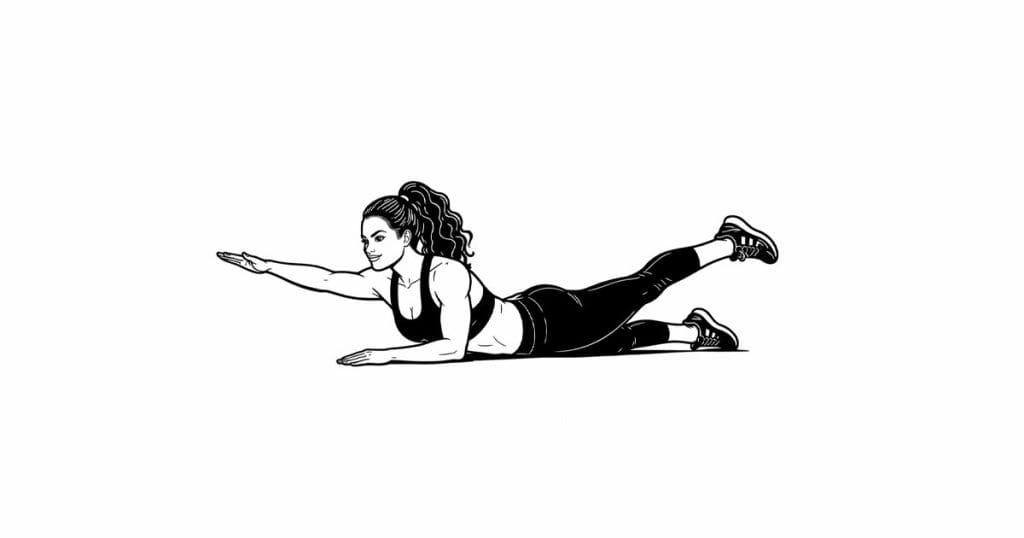
The prone back extension is a foundational bodyweight exercise designed to strengthen the muscles of the posterior chain, particularly the lower back. Performed while lying face down on the floor, this movement involves lifting the chest, arms, and legs slightly off the ground using controlled muscle engagement. It is commonly used in strength training, rehabilitation programs, and general fitness routines due to its simplicity and effectiveness.
The primary muscle group targeted in the prone back extension is the lower back. The muscles along the spine, including the erector spinae, are responsible for extending the spine and maintaining proper posture during the movement. Strengthening these muscles is essential for supporting the spine, improving posture, and reducing the risk of lower back discomfort.
Secondary muscles also contribute significantly to the movement. The glutes play a key role in assisting with hip extension and stabilizing the pelvis. The hamstrings support the glutes in maintaining leg position and control. The upper back muscles, including the traps and rhomboids, help lift the chest and stabilize the shoulder blades. Additionally, the core muscles are engaged to maintain spinal alignment and prevent excessive arching.
One of the primary benefits of the prone back extension is improved spinal stability. By strengthening the muscles that support the spine, this exercise can help reduce the risk of injury and improve overall posture. This is particularly important for individuals who spend long periods sitting, as prolonged sitting can weaken the posterior chain.
Another key advantage is its accessibility. The exercise requires no equipment and can be performed almost anywhere, making it an excellent option for home workouts or travel routines. Its simplicity also makes it suitable for beginners who are looking to build foundational strength in the lower back.
The prone back extension also promotes better movement patterns. A strong posterior chain is essential for many functional movements, including lifting, bending, and standing. By strengthening these muscles, this exercise can enhance overall movement efficiency and performance.
To perform the prone back extension, lie face down with your arms and legs extended. From this position, gently lift your chest, arms, and legs off the ground while keeping the movement controlled. Hold briefly at the top before lowering back down. The focus should be on controlled muscle activation rather than lifting as high as possible.
Proper technique is crucial for maximizing benefits and minimizing risk. Keep your neck neutral, your movements controlled, and your core engaged. Avoid excessive arching of the lower back, as this can place unnecessary stress on the spine.
Common mistakes include using momentum, lifting too high, and straining the neck by looking upward. These errors can reduce the effectiveness of the exercise and increase the risk of discomfort or injury.
From a safety perspective, it is important to perform the movement within a comfortable range of motion. The goal is to strengthen the muscles, not to achieve maximum height. Controlled, moderate lifts are more effective and safer over time.
Overall, the prone back extension is a simple yet effective exercise for building lower back strength, improving posture, and supporting spinal health. Its ease of execution and wide range of benefits make it a valuable addition to any fitness or rehabilitation routine.