The plie squat is a highly effective lower-body exercise that emphasizes the inner thighs, glutes, and quadriceps while also improving hip mobility and stability. Inspired by movements commonly used in dance training, the plie squat uses a wide stance with externally rotated hips, creating a unique variation of the traditional squat. This position shifts greater emphasis onto the adductors, making it an excellent exercise for targeting the inner thigh muscles while still engaging the major muscle groups of the lower body.
The primary muscle group worked during the plie squat is the quadriceps, which are responsible for extending the knees as you stand up from the lowered position. However, the wide stance and turned-out foot position significantly increase activation of the adductors. These muscles help control the descent and stabilize the hips, making them a key contributor to the movement.
Secondary muscle groups include the glutes, which assist in hip extension and provide power as you return to the standing position. The hamstrings contribute to hip stability and control, while the calves support balance and help maintain proper foot positioning throughout the exercise. Together, these muscles create a balanced and effective lower-body workout.
One of the main benefits of the plie squat is its ability to improve hip mobility and flexibility. The externally rotated position encourages a greater range of motion in the hips, which can help enhance movement quality in other exercises and daily activities. This makes it especially useful for individuals looking to increase lower-body mobility while building strength.
Another advantage is its accessibility. The plie squat can be performed using just bodyweight, making it suitable for beginners and those training without equipment. It can also be easily progressed by adding resistance, increasing repetitions, or focusing on slower, controlled movement patterns.
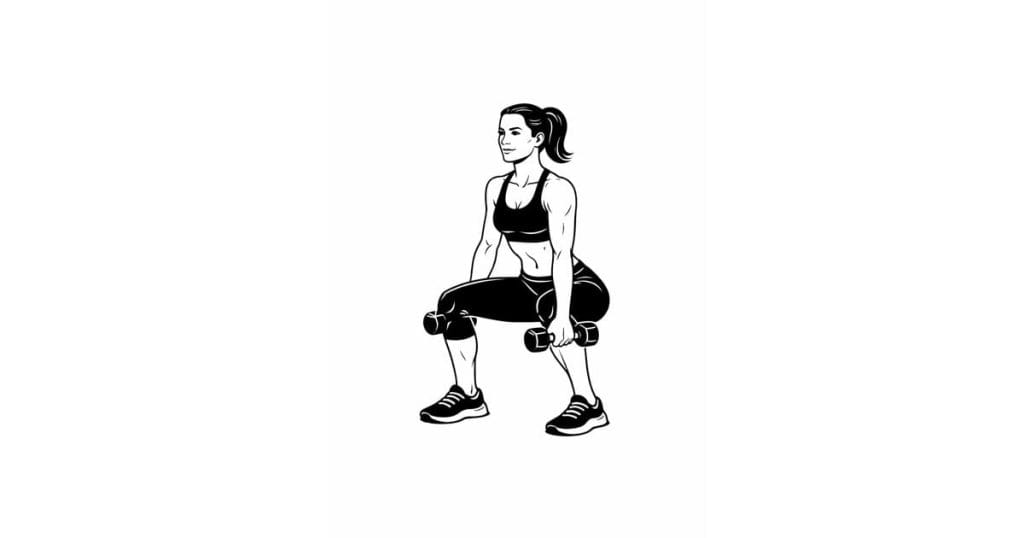
To perform the plie squat correctly, start by standing with your feet wider than shoulder-width apart and toes pointed outward. As you lower your body, focus on pushing your knees out in line with your toes. This helps maintain proper alignment and ensures that the inner thighs are fully engaged.
Lower your hips straight down rather than pushing them back, keeping your chest upright and your core engaged. This vertical movement pattern distinguishes the plie squat from other squat variations and places more emphasis on the inner thighs and quadriceps.
Pause briefly at the bottom of the movement before pushing through your heels to return to the starting position. Maintaining control throughout the entire range of motion is essential for maximizing muscle engagement and reducing the risk of injury.
Common mistakes include allowing the knees to collapse inward, leaning too far forward, or shifting weight onto the toes. These errors can reduce the effectiveness of the exercise and increase stress on the joints. Focusing on proper alignment and controlled movement can help prevent these issues.
From a safety perspective, it is important to avoid forcing your hips into excessive external rotation. Only turn your toes out as far as is comfortable while maintaining proper alignment. Keeping your core engaged and your chest lifted can also help protect the lower back during the movement.
Overall, the plie squat is a versatile and effective exercise for strengthening the lower body, improving hip mobility, and targeting the inner thighs. Its unique stance and movement pattern make it a valuable addition to any fitness routine focused on building strength and enhancing functional movement.