Planks are one of the most effective bodyweight exercises for building core strength, stability, and endurance. This isometric hold focuses on maintaining a strong, neutral spine while engaging multiple muscle groups throughout the body. As a foundational exercise, planks are widely used in fitness routines due to their simplicity, accessibility, and ability to deliver significant results without requiring equipment.
The primary muscle group targeted during planks is the core, which includes the rectus abdominis, transverse abdominis, and deeper stabilizing muscles. These muscles work together to resist spinal extension, making planks an excellent anti-extension exercise. By maintaining a straight body position, the core must stay fully engaged to prevent the hips from sagging or lifting too high.
In addition to the core, planks recruit several secondary muscle groups. The shoulders play a key role in supporting body weight and maintaining stability, while the upper back helps keep the torso aligned. The glutes are essential for controlling hip position, and the lower back contributes to maintaining a neutral spine. This full-body engagement makes planks a highly efficient exercise for improving overall strength and posture.
One of the key benefits of planks is their ability to improve core endurance. Unlike dynamic movements, planks require sustained muscle activation over time, which helps build the ability to maintain proper posture and stability during longer activities. This endurance carries over to many physical tasks, including lifting, running, and general movement.
Another advantage of planks is their role in injury prevention. A strong and stable core helps support the spine and reduces the risk of lower back pain. By reinforcing proper alignment and muscle activation, planks can help improve movement efficiency and reduce strain on surrounding joints.
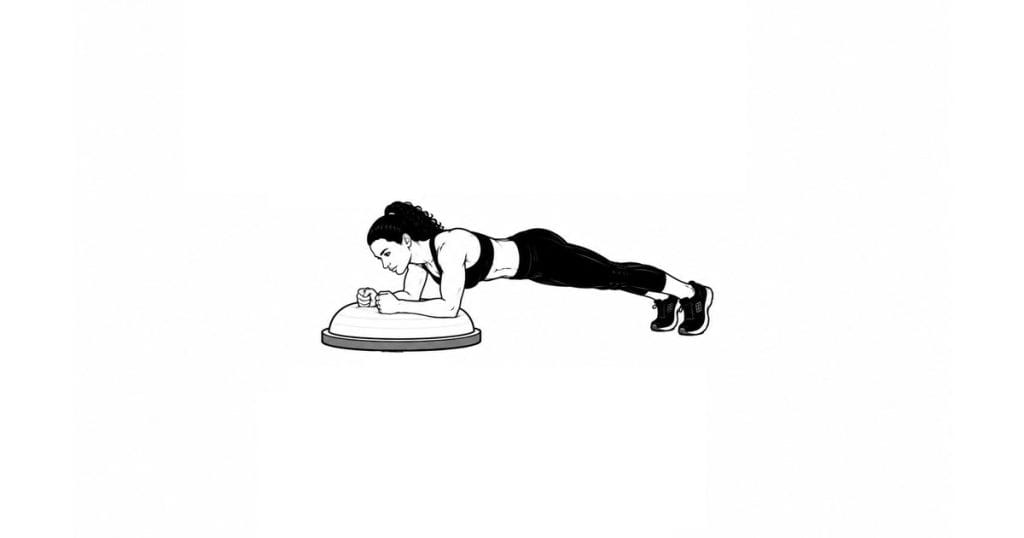
To perform planks effectively, begin by setting up with your forearms on the ground and elbows directly under your shoulders. Extend your legs behind you and lift your body into a straight line from head to heels. Engage your core and glutes, ensuring that your hips remain level and your back stays neutral.
Hold the position for a set amount of time while maintaining steady breathing. Avoid holding your breath, as proper breathing helps maintain muscle engagement and prevents unnecessary tension. Focus on keeping your body stable and aligned throughout the duration of the hold.
Proper technique is essential for maximizing the benefits of planks. Common mistakes include allowing the hips to sag, which can place stress on the lower back, or raising the hips too high, which reduces core engagement. Maintaining a straight line and strong core activation helps ensure effectiveness.
From a safety perspective, it is important to listen to your body and avoid pushing through discomfort or pain. If maintaining proper form becomes difficult, shorten the duration or modify the exercise by performing it on your knees. This allows you to build strength gradually while maintaining correct technique.
Planks are highly versatile and can be adjusted to suit different fitness levels. Beginners can start with shorter hold times, while more advanced individuals can increase duration or incorporate variations to increase difficulty.
Overall, planks are a fundamental exercise for developing core strength, improving stability, and enhancing overall fitness. Their simplicity and effectiveness make them a valuable addition to any workout routine, whether you are new to exercise or looking to build a stronger, more stable foundation.