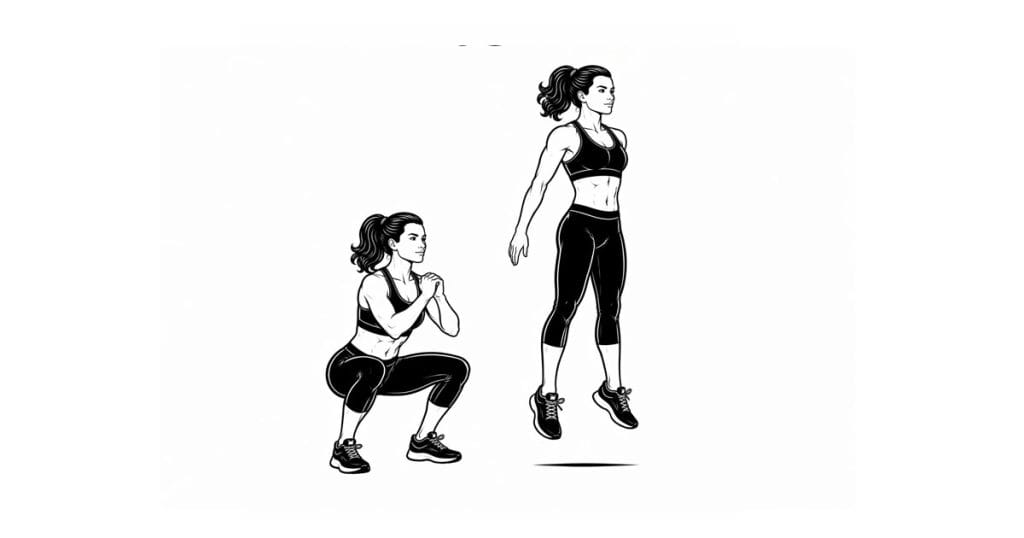
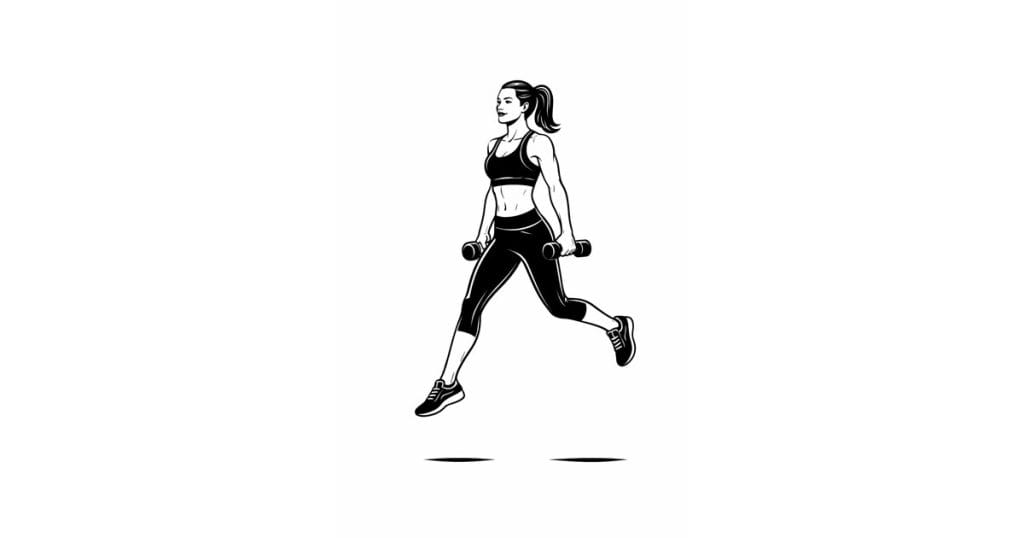
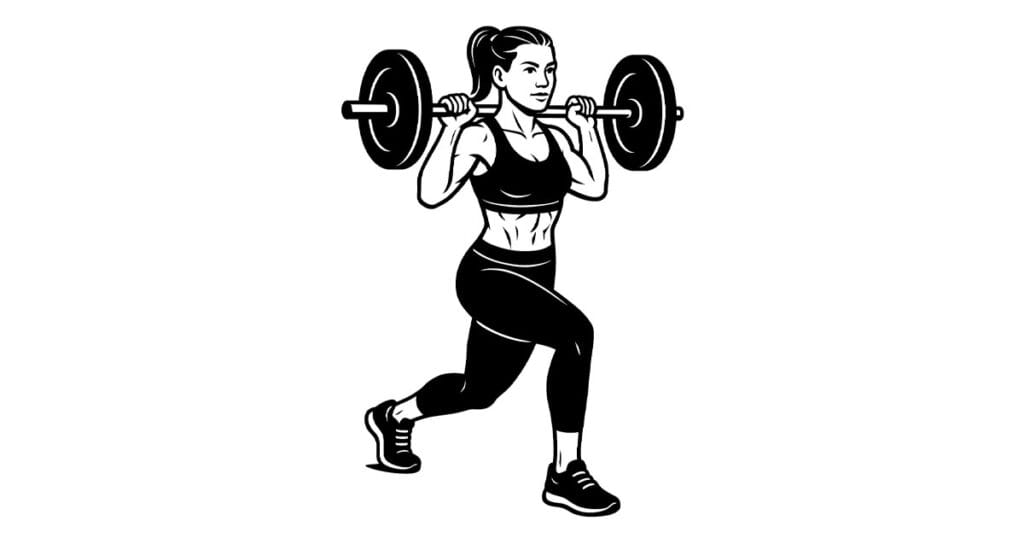
The pivot lunge is a dynamic lower body exercise that combines the traditional lunge pattern with a controlled rotational component. This movement is highly effective for building strength, improving coordination, and enhancing mobility through the hips and lower body. By integrating a pivot or rotation into the lunge, the exercise challenges not only the primary muscles of the legs but also the stabilizing muscles responsible for balance and control.
The primary muscle group targeted during the pivot lunge is the quadriceps. These muscles are responsible for extending the knee and controlling the descent into the lunge position. As you lower your body, the quadriceps work eccentrically to stabilize the movement, and they contract concentrically to return you to a standing position.
Secondary muscle groups include the glutes and hamstrings, which assist in hip extension and stabilization. The glutes play a key role in driving the body upward from the bottom of the lunge, while the hamstrings help control the movement and support the knee joint. The adductors also contribute by stabilizing the hips during the pivoting motion.
The core muscles are heavily engaged throughout the exercise. Because of the rotational element, the abs and obliques work to maintain balance and prevent excessive twisting. This makes the pivot lunge a functional exercise that translates well to real-world movements and athletic performance.
One of the main benefits of the pivot lunge is its ability to improve movement coordination. The combination of stepping, lowering, and rotating requires precise control and timing. This helps develop better body awareness and enhances overall movement efficiency.
Another benefit is improved joint mobility, particularly in the hips. The pivot encourages a greater range of motion and promotes flexibility in multiple planes of movement. This can help reduce stiffness and improve overall lower body function.
The pivot lunge is also valuable for building unilateral strength. Since each leg works independently, it helps address muscle imbalances and improves stability on each side of the body. This is especially important for injury prevention and balanced strength development.
To perform the pivot lunge, begin by standing upright with your feet hip-width apart. Step one foot back into a lunge while simultaneously rotating your hips and torso slightly toward the front leg. Lower your body under control, then push through the front heel to return to standing while reversing the pivot.
Proper technique is essential for maximizing the benefits of this exercise. Focus on keeping your chest upright, your core engaged, and your movements controlled. Avoid rushing through the exercise, as this can compromise form and reduce effectiveness.
Common mistakes include allowing the front knee to collapse inward, over-rotating the torso, and leaning too far forward. These errors can place unnecessary stress on the joints and reduce the efficiency of the movement.
From a safety perspective, it is important to maintain proper alignment and avoid excessive twisting, especially at the knee. The rotation should come from the hips rather than the knee joint. If needed, reduce the depth of the lunge or perform the movement without rotation until proper control is developed.
Overall, the pivot lunge is a versatile and functional exercise that enhances strength, coordination, and mobility. Its combination of strength and rotational control makes it a valuable addition to any lower body or functional training routine.