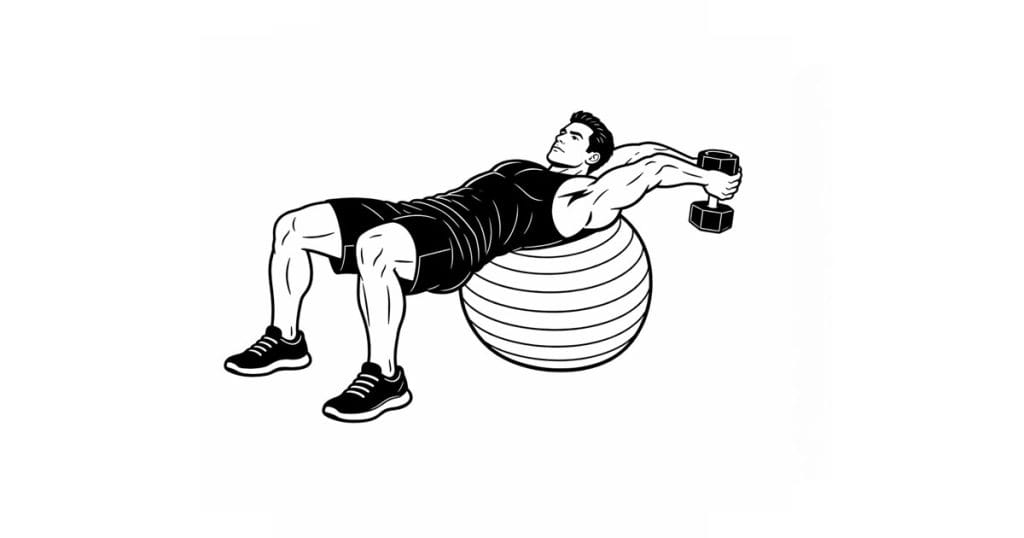
The overhead wall stretch is a simple yet highly effective mobility exercise designed to improve flexibility in the upper body, particularly the latissimus dorsi muscles. This stretch is commonly used in warm-up routines, recovery sessions, and mobility work due to its ability to open the shoulders, lengthen the lats, and promote better posture. It is accessible for beginners and beneficial for individuals of all fitness levels.
The primary muscle group targeted during the overhead wall stretch is the lats. These large muscles run along the sides of the back and play a key role in shoulder movement and upper body stability. Tight lats can limit overhead mobility and contribute to poor posture, making this stretch especially valuable for maintaining healthy movement patterns.
Secondary muscle groups involved include the shoulders and upper back. The stretch helps improve flexibility in the shoulder joint by encouraging proper alignment and range of motion. The muscles of the upper back assist in maintaining posture during the stretch, while the core provides stability and supports proper positioning.
One of the main benefits of the overhead wall stretch is improved shoulder mobility. Many daily activities and exercises require the ability to raise the arms overhead efficiently. By regularly performing this stretch, individuals can increase their range of motion and reduce stiffness in the shoulders.
Another key benefit is enhanced posture. Tight lats and shoulders can pull the upper body forward, leading to rounded shoulders and poor alignment. The overhead wall stretch helps counteract this by lengthening the muscles that contribute to these imbalances, promoting a more upright and aligned posture.
This exercise also supports injury prevention. Limited mobility in the shoulders and upper back can place additional stress on other areas of the body, such as the lower back. Improving flexibility in these regions can help distribute forces more evenly and reduce the risk of strain during physical activity.
To perform the overhead wall stretch, stand facing a wall with your arms extended overhead and hands placed on the surface. Step back slightly and hinge at the hips, lowering your chest toward the ground while keeping your arms straight. Hold the stretch while maintaining steady breathing, then return to the starting position.
Proper technique is essential for maximizing the effectiveness of this stretch. Focus on keeping your arms straight and your spine neutral throughout the movement. Avoid bending the elbows or compensating with excessive lower back arching, as this can reduce the stretch and increase strain.
Common mistakes include shrugging the shoulders, standing too close to the wall, and rushing through the movement. These errors can limit the effectiveness of the stretch and reduce its benefits.
From a safety perspective, it is important to stay within a comfortable range of motion and avoid forcing the stretch. Gentle, controlled movement combined with proper breathing will help ensure a safe and effective experience.
Overall, the overhead wall stretch is a valuable addition to any mobility or flexibility routine. Its ability to improve shoulder range of motion, enhance posture, and support overall upper body health makes it an essential exercise for maintaining functional movement and long-term performance.