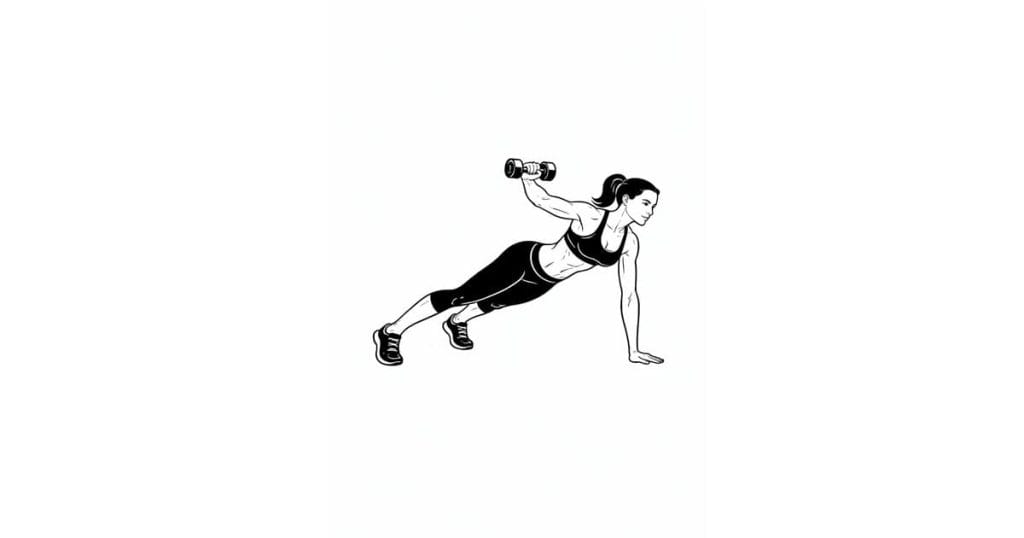
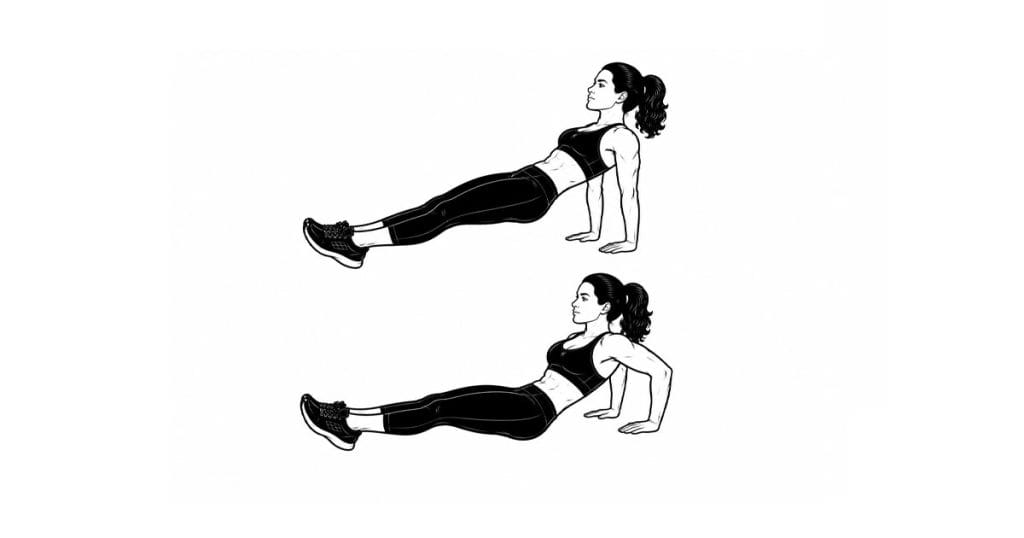
The Medicine Ball Diamond Push-up is a challenging upper-body strength exercise designed to dramatically increase triceps activation while also engaging the chest, shoulders, and core. By placing both hands on a single medicine ball, the movement introduces instability that forces the body to work harder to maintain balance. This added instability significantly increases the demand on the shoulder and core stabilizers, making the exercise far more difficult than both traditional push-ups and standard diamond push-ups.
In this variation, the narrow hand placement shifts most of the workload onto the triceps, which must work intensely to press the body upward while maintaining proper elbow alignment. The elevation of the hands on the medicine ball increases the range of motion, deepening the stretch at the bottom of each rep. This extended range promotes greater muscle fiber recruitment and contributes to stronger, more defined triceps over time.
Beyond isolating the upper arms, the Medicine Ball Diamond Push-up also challenges the chest and anterior deltoids. Because the ball subtly shifts under pressure, the stabilizing muscles around the shoulder girdle must activate continuously to control both the descent and ascent. This enhances shoulder stability and improves pressing mechanics, benefiting athletes, lifters, and anyone looking to build functional upper-body strength.
Core engagement is another major advantage of this movement. The unstable hand position forces the torso to remain rigid throughout the exercise to prevent swaying or dipping at the hips. This teaches strong bracing mechanics and helps develop a more stable and powerful midsection, improving performance in a wide range of other movements.
Although highly effective, this variation requires proper technique and a solid foundation of push-up strength. Maintaining a straight body line, controlling the descent, and keeping the elbows close to the body are essential for maximizing triceps activation and preventing shoulder strain. Individuals with wrist sensitivity or difficulty balancing may need to practice more stable variations before progressing. When executed correctly, the Medicine Ball Diamond Push-up delivers an impressive combination of strength, stability, and muscular definition.