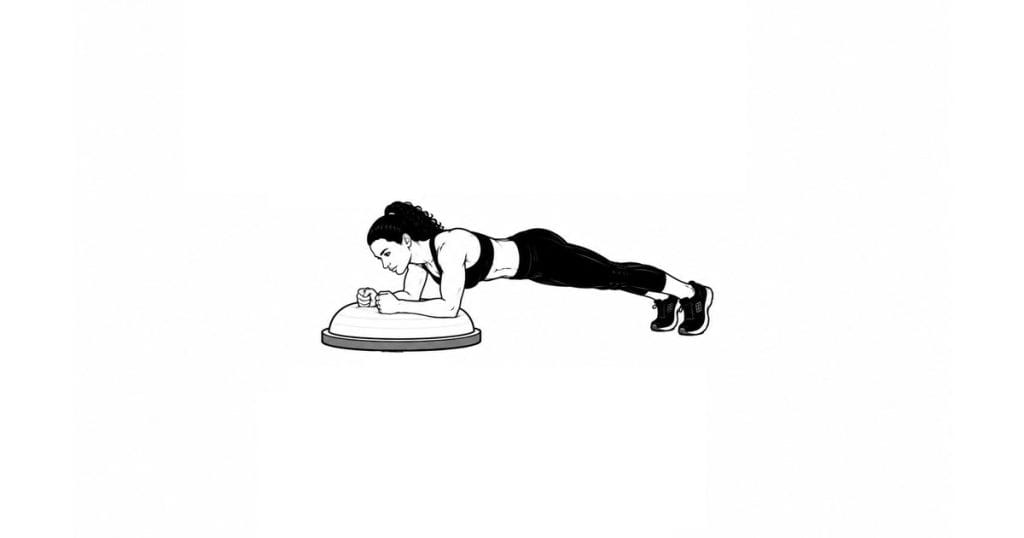
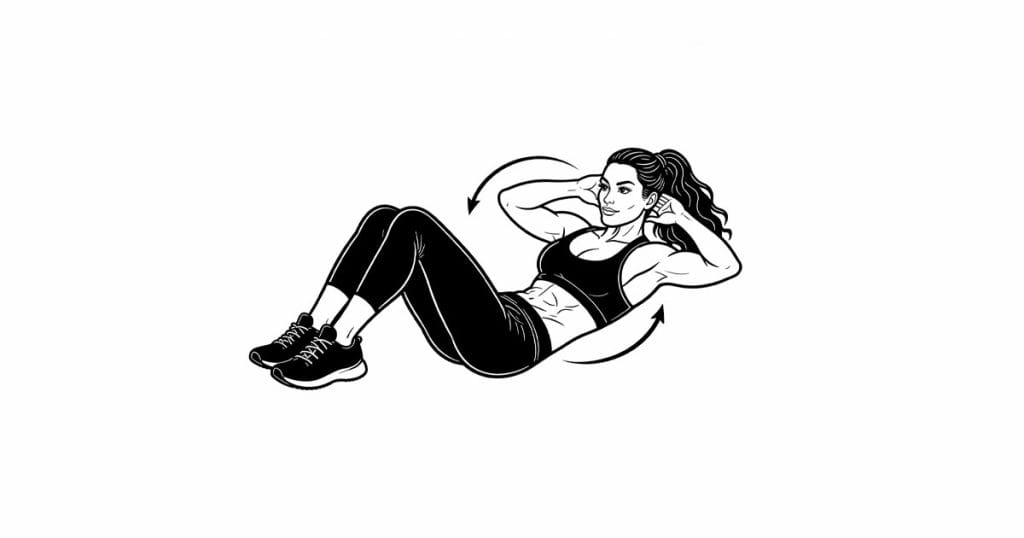
The lying knee tuck is an effective core-strengthening exercise that targets the abdominal muscles while also engaging the hip flexors and supporting muscles of the lower back. Performed from a supine position, this movement involves drawing the knees toward the chest and lifting the hips slightly off the floor. It is commonly used in core workouts, bodyweight routines, and general fitness programs due to its simplicity and ability to activate the lower portion of the abdominal muscles.
The primary muscle group targeted during the lying knee tuck is the abdominals. This exercise places a strong emphasis on the lower portion of the rectus abdominis, which is responsible for flexing the spine and stabilizing the pelvis. By actively pulling the knees toward the chest and lifting the hips, the abdominals are forced to contract and control the movement, leading to improved strength and endurance.
Secondary muscles also play an important role in the exercise. The hip flexors are engaged to assist in bringing the knees toward the chest, while the lower back muscles provide stability and support for the spine. Additionally, the core muscles work together to maintain proper alignment and prevent excessive arching of the lower back.
One of the key benefits of the lying knee tuck is its ability to effectively target the lower abdominals. Many core exercises primarily engage the upper abs, but this movement emphasizes the lower portion, helping to create balanced core development. This can contribute to improved overall strength and better control of the trunk.
Another advantage is the development of core stability. By maintaining a controlled position and preventing the lower back from arching, the exercise trains the core to stabilize the spine. This is essential for proper movement mechanics and can help reduce the risk of injury during other activities.
The lying knee tuck also supports improved coordination and control. The movement requires coordination between the upper and lower body, as well as precise control during both the lifting and lowering phases. This can enhance body awareness and improve performance in other exercises.
To perform the lying knee tuck, begin by lying flat on your back with your legs extended. Lift your legs slightly off the floor and draw your knees toward your chest while lifting your hips slightly. Pause briefly at the top before extending your legs back out in a controlled manner. The movement should be smooth and deliberate, with a focus on engaging the core throughout.
Proper technique is essential for maximizing the benefits of the exercise. Keep your lower back pressed into the floor, your movements controlled, and your core engaged at all times. Avoid using momentum, as this reduces muscle activation and increases the risk of strain.
Common mistakes include swinging the legs, allowing the lower back to arch, and failing to control the descent. These errors can limit the effectiveness of the exercise and place unnecessary stress on the spine.
From a safety perspective, it is important to perform the movement within a comfortable range of motion. If extending the legs fully causes the lower back to lift off the floor, reduce the range of motion to maintain proper form.
Overall, the lying knee tuck is a simple yet effective exercise for strengthening the core, improving stability, and enhancing control. Its accessibility and focus on the lower abdominals make it a valuable addition to any core training routine.