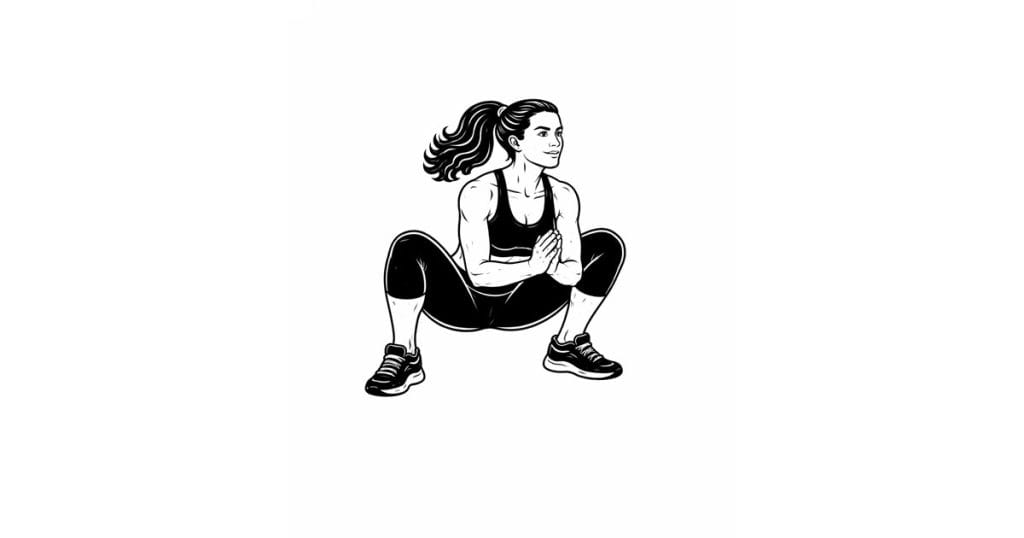
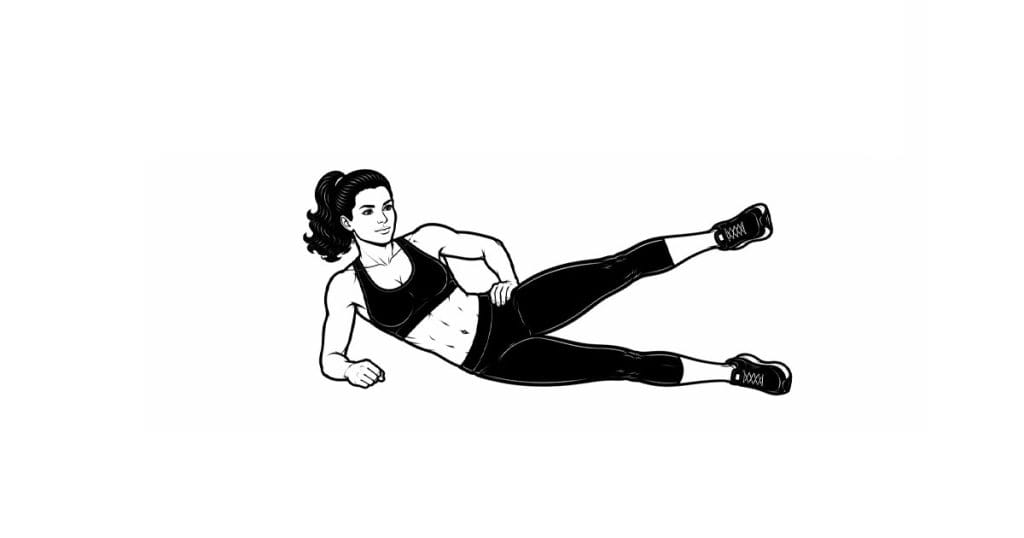
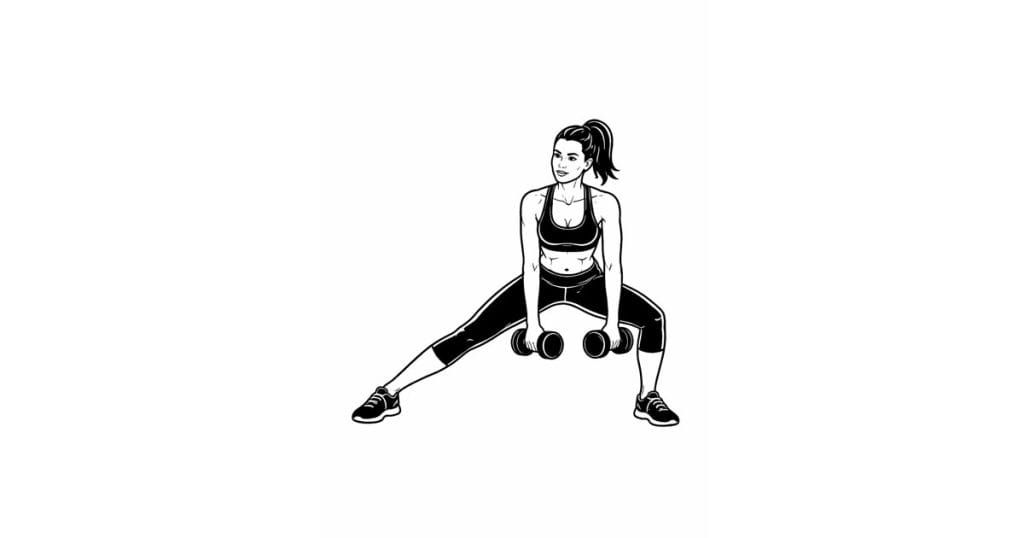
The lateral lunge shift is a dynamic mobility exercise that targets the inner thighs while improving hip flexibility, balance, and lower body control. This movement involves shifting body weight from one side to the other in a wide stance, creating a controlled side-to-side lunge pattern. It is commonly used in warm-ups, mobility routines, and functional training programs to prepare the body for lateral movement and improve overall joint health.
The primary muscle group targeted in the lateral lunge shift is the adductors. These inner thigh muscles are responsible for stabilizing the hips and controlling movement as the body shifts from one side to the other. By moving through a wide range of motion, the adductors are both stretched and activated, making this exercise highly effective for improving flexibility and strength in this often overlooked muscle group.
Secondary muscle groups play a significant role in supporting the movement. The glutes help stabilize the hips and assist in driving the body back to the center position. The quadriceps are engaged in bending and extending the knee of the working leg, while the hamstrings contribute to hip stability and control. The core muscles remain active throughout the exercise, helping maintain balance and proper posture.
One of the key benefits of the lateral lunge shift is its ability to improve hip mobility. Many traditional exercises focus on forward and backward movement, but this exercise emphasizes lateral motion, which is essential for well-rounded mobility. Increasing flexibility in the hips can help improve movement efficiency and reduce the risk of injury during physical activity.
The lateral lunge shift also enhances balance and coordination. Shifting weight from one side to the other requires control and awareness, especially when maintaining proper alignment and posture. This makes the exercise valuable for improving stability and body control in everyday movements and athletic performance.
Another important benefit is the development of strength in the frontal plane of movement. Training the body to move side to side helps strengthen muscles that are often underutilized in standard workouts. This can lead to better performance in activities that involve lateral movement, such as sports or functional tasks.
To perform the lateral lunge shift, begin by standing in a wide stance with your toes slightly turned out. Shift your weight to one side by bending the knee and sitting your hips back, while keeping the opposite leg straight. Then push through the bent leg to move your body to the other side, repeating the motion in a controlled and continuous manner.
Proper technique is essential for maximizing the benefits of this exercise. Focus on keeping your chest upright, your core engaged, and your movements smooth and controlled. Avoid rushing through the exercise, as control is key to improving mobility and stability.
Common mistakes include lifting the heel off the floor, rounding the back, and shifting weight too quickly. These errors can reduce the effectiveness of the exercise and increase the risk of strain.
From a safety perspective, it is important to move within a comfortable range of motion and avoid forcing depth. Gradually increasing flexibility over time will lead to better results and reduced injury risk.
Overall, the lateral lunge shift is a simple yet highly effective exercise for improving hip mobility, strengthening the inner thighs, and enhancing balance. Its focus on lateral movement makes it a valuable addition to any mobility or warm-up routine.