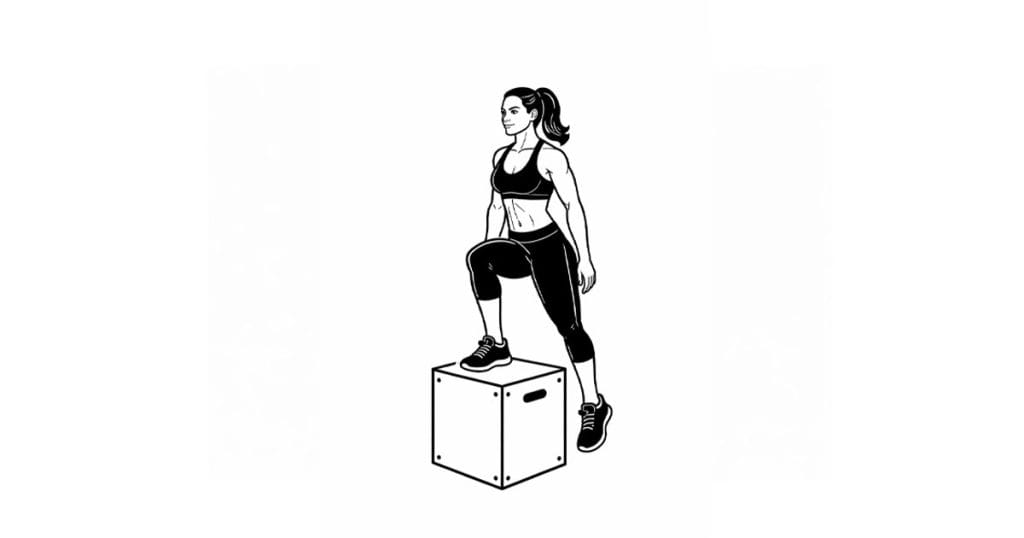
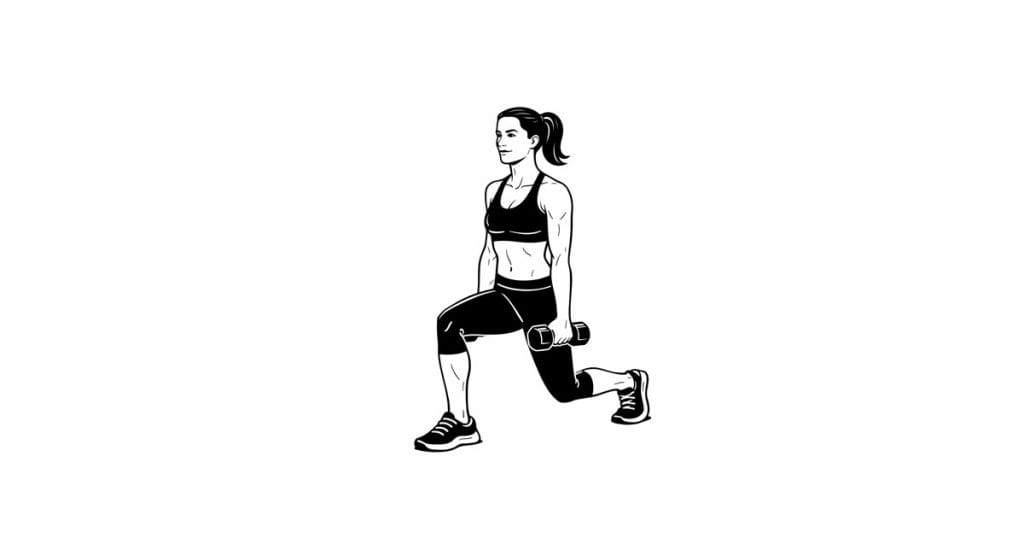
The Kettlebell Goblet Squat to Curl is a compound strength exercise that combines a goblet squat with a controlled kettlebell curl performed while holding the bottom squat position. The quads are the primary muscle group worked, while the glutes, hamstrings, adductors, biceps, forearms, core, and upper back also contribute. Combining the two movements increases the challenge to the lower body by extending the amount of time spent in the squat while adding direct work for the arms and grip.
To perform the Kettlebell Goblet Squat to Curl, stand with your feet approximately shoulder-width apart and hold one kettlebell securely at your chest with both hands. Keep the kettlebell close to your torso in the goblet position. Your toes can point slightly outward as needed to create a comfortable squat stance. Brace your abdominal muscles and establish balanced pressure across each foot before beginning.
Initiate the movement by bending your knees and hips together. Lower your hips down between your legs while keeping your knees tracking in the same general direction as your toes. Maintain full-foot contact with the floor and keep the kettlebell close to your chest during the descent.
Continue lowering until you reach a comfortable squat depth. Your exact depth will depend on mobility, body proportions, and your ability to maintain stable positioning. Once you reach the bottom, remain in the squat instead of immediately standing. This is where the curl portion of the exercise begins.
While maintaining the bottom squat position, extend your elbows and slowly lower the kettlebell away from your chest toward the floor. Keep both hands securely attached to the kettlebell and avoid allowing the weight to swing. Your upper arms should remain relatively stable as the elbows extend.
Once you reach a controlled lower position, contract your biceps and flex your elbows to curl the kettlebell back toward your chest. Keep your torso stable and avoid using momentum to move the weight. Return the kettlebell to a secure goblet position before beginning the upward phase of the squat.
Drive through your feet and extend your knees and hips to stand. Continue upward until you return to a tall standing position. Keep your core braced and avoid aggressively pushing your hips forward or leaning backward at the top. Reset your posture before beginning the next repetition.
The quads work throughout the squat by controlling knee flexion during the descent and extending the knees as you stand. The glutes contribute to hip control and extension, while the hamstrings and adductors assist with lower-body stability. Because the curl is performed while remaining at the bottom of the squat, these muscles must continue producing tension while the upper body completes the additional movement.
The biceps become more active during the curl as the elbows flex to bring the kettlebell back toward the chest. The forearms and hands maintain control of the kettlebell throughout both portions of the exercise. The core and upper back help stabilize the torso, particularly while the kettlebell moves farther away from the body at the bottom of the squat.
One of the most important technical features of the Kettlebell Goblet Squat to Curl is maintaining the squat position during the curl. A common mistake is beginning to stand as the kettlebell is lowered or curled. Keep your hips at approximately the same height until the kettlebell has returned to the goblet position. This maintains the intended lower-body challenge and separates the curl from the upward phase of the squat.
Another common mistake is allowing the kettlebell to swing. The curl should be controlled through elbow flexion and extension rather than momentum. Lower the weight only as far as you can while maintaining a stable torso, secure grip, and controlled squat position.
Knee and foot alignment remain important throughout the extended bottom position. Keep the knees tracking with the toes and avoid allowing them to collapse inward as fatigue increases. Maintain stable pressure through the entire foot rather than shifting excessively onto the toes or allowing the heels to rise.
The front-loaded kettlebell also increases the demand on the core. As the kettlebell moves downward and slightly away from the torso during the curl, your abdominal muscles must resist unwanted movement through the spine. Maintain a braced torso and avoid rounding the lower back to bring the kettlebell closer to the floor.
The Kettlebell Goblet Squat to Curl differs from a standard Kettlebell Goblet Squat because the bottom position is intentionally extended while an upper-body movement is performed. This increases time under tension for the lower body and adds elbow flexion to the exercise. It also requires greater coordination because the squat position must remain stable while the arms move independently.
Overall, the Kettlebell Goblet Squat to Curl is an effective compound exercise for developing lower-body strength, arm strength, grip control, and core stability. When performed with stable feet, proper knee alignment, a controlled bottom squat, a smooth kettlebell curl, and a strong return to standing, it provides a challenging variation of the traditional goblet squat while maintaining a simple single-kettlebell setup.