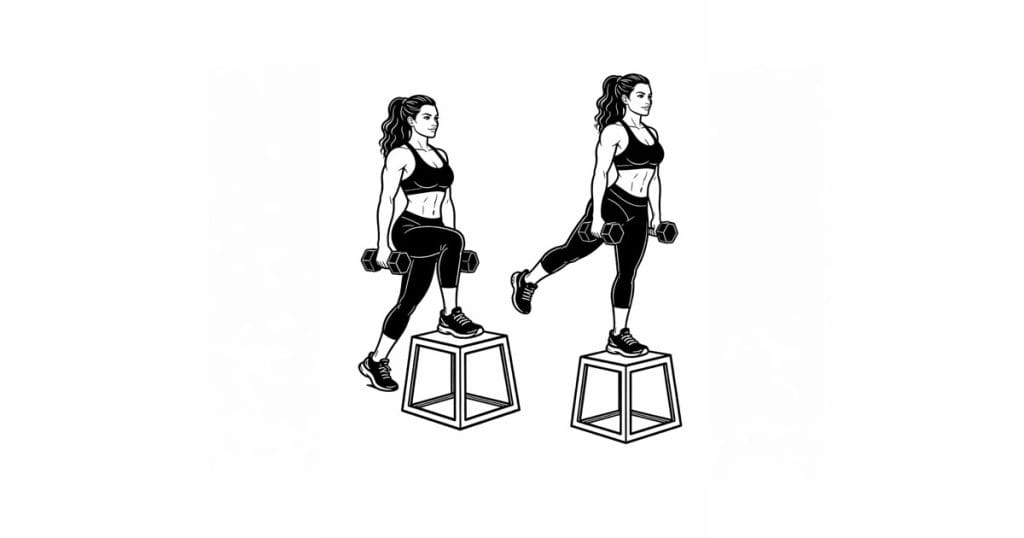
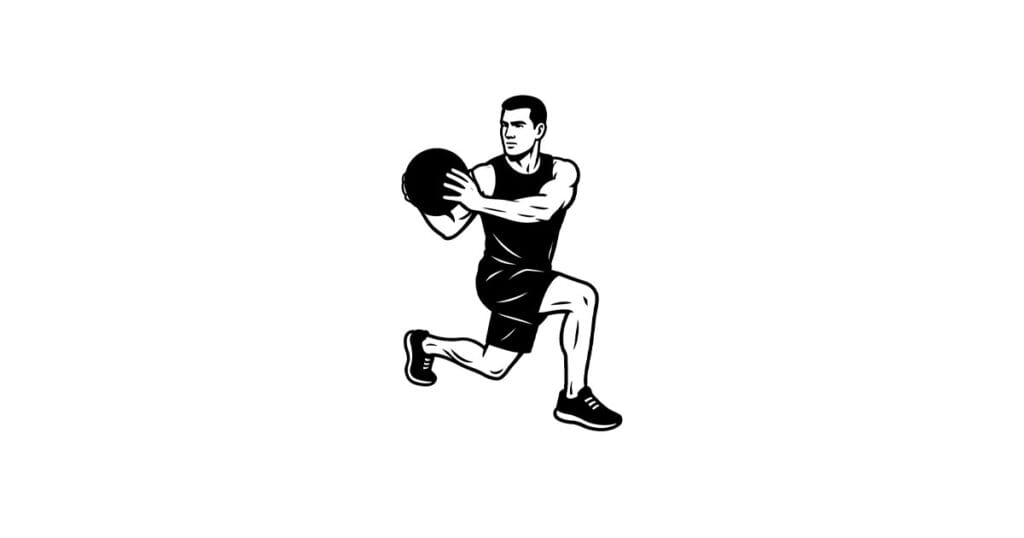
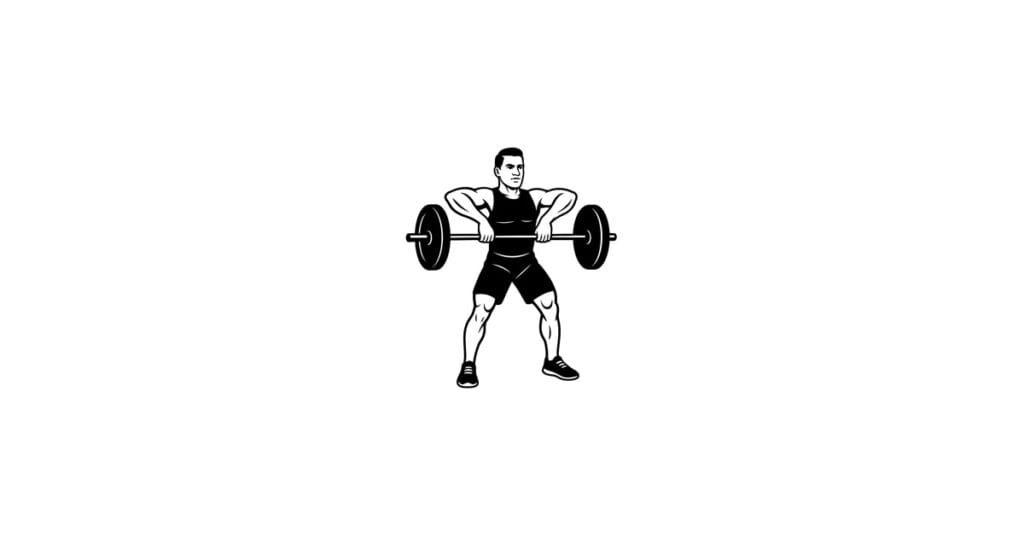
Half Moon Pose is a dynamic balance and mobility exercise that challenges lower body strength, core stability, and coordination. Commonly practiced in yoga, this pose involves standing on one leg while extending the opposite leg behind and opening the hips. It is an excellent movement for improving balance, strengthening the glutes, and enhancing overall body awareness.
The primary muscle group targeted in Half Moon Pose is the glutes. These muscles play a key role in stabilizing the pelvis and supporting single-leg balance. The standing leg must actively engage the glutes to maintain alignment and prevent the hips from dropping. Strengthening the glutes in this position helps improve stability and control in both athletic movements and daily activities.
Secondary muscles involved include the hamstrings, core, and adductors. The hamstrings assist in maintaining the lifted leg position and controlling the hinge at the hips. The core muscles are heavily engaged to stabilize the torso and prevent excessive rotation or collapse. The adductors contribute to maintaining balance and alignment in the standing leg.
One of the primary benefits of Half Moon Pose is improved balance and coordination. Balancing on one leg requires constant adjustments and engagement from multiple muscle groups. This helps develop proprioception, which is the body’s ability to sense its position in space. Improved proprioception can enhance performance in sports and reduce the risk of falls or injuries.
Another key benefit is increased hip mobility and strength. Opening the hips while maintaining balance challenges both flexibility and muscular control. This can lead to improved range of motion and better movement efficiency in exercises such as lunges and squats.
Half Moon Pose also promotes core stability. Maintaining the position requires continuous engagement of the abdominal muscles to keep the torso aligned. This helps strengthen the core and supports better posture and spinal health.
To perform Half Moon Pose, begin by standing upright and shifting your weight onto one leg. Hinge forward at the hips while lifting the opposite leg behind you. Lower your torso until it is nearly parallel to the floor.
Once in position, open your hips by rotating your lifted leg outward. You can extend one hand toward the floor for support and the other toward the ceiling to create a straight line through your arms. Keep your gaze steady to help maintain balance.
Hold the position while engaging your core and maintaining alignment. Focus on controlled breathing and steady movement. After holding, slowly return to the starting position and repeat on the opposite side.
Common mistakes include locking the standing knee, collapsing the hips, and rushing into the position. These errors can compromise balance and increase the risk of discomfort. Maintaining control and proper alignment is essential for effectiveness and safety.
From a safety perspective, it is helpful to practice near a wall or support if balance is a challenge. Avoid overextending or forcing the position, and focus on gradual progression.
Overall, Half Moon Pose is a versatile exercise that improves balance, strengthens the lower body, and enhances core stability. Its combination of strength and mobility benefits makes it a valuable addition to any fitness or yoga routine.