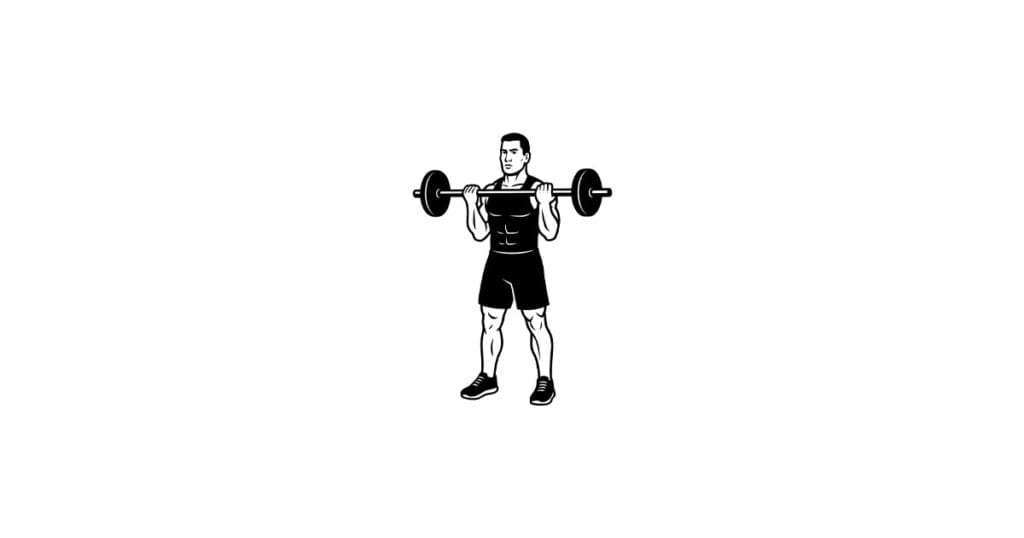
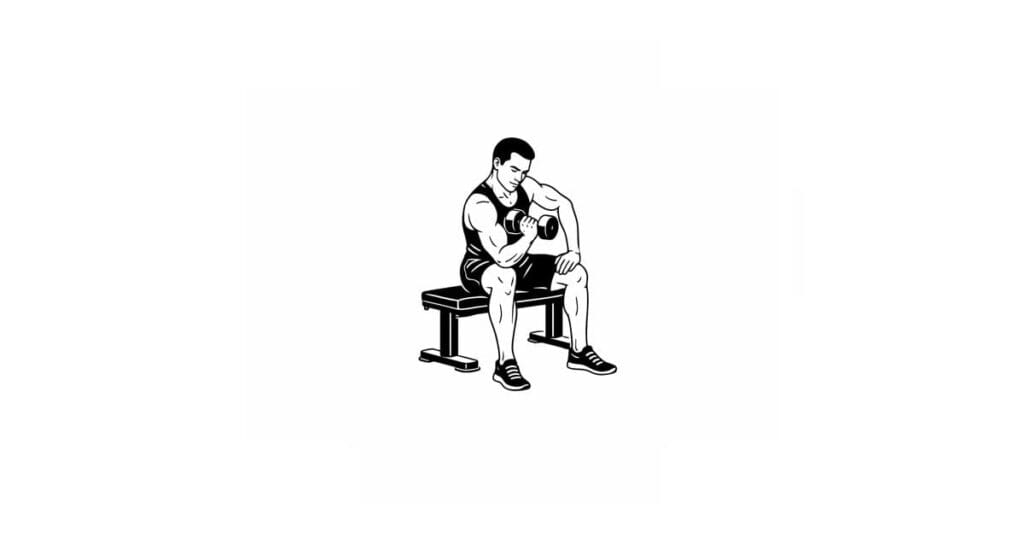
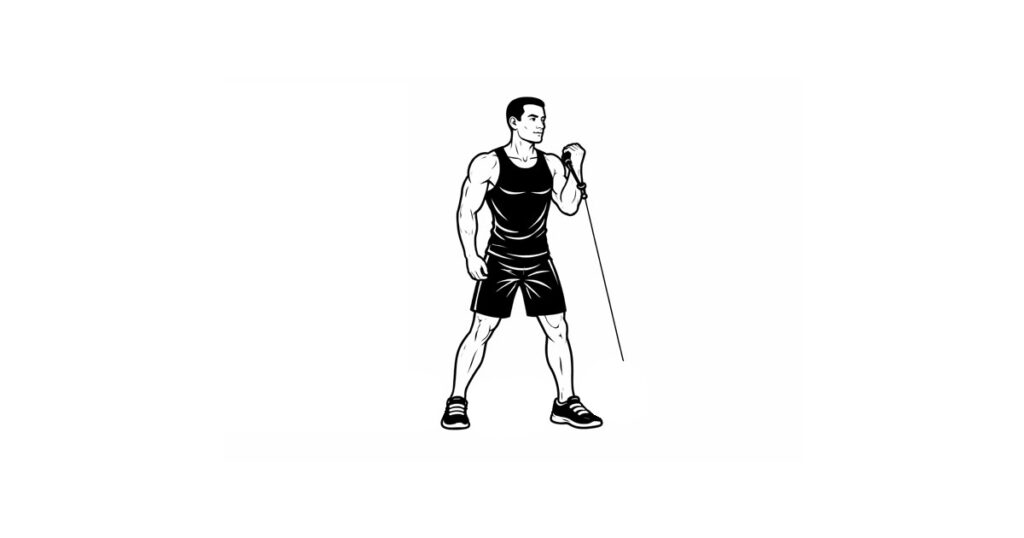
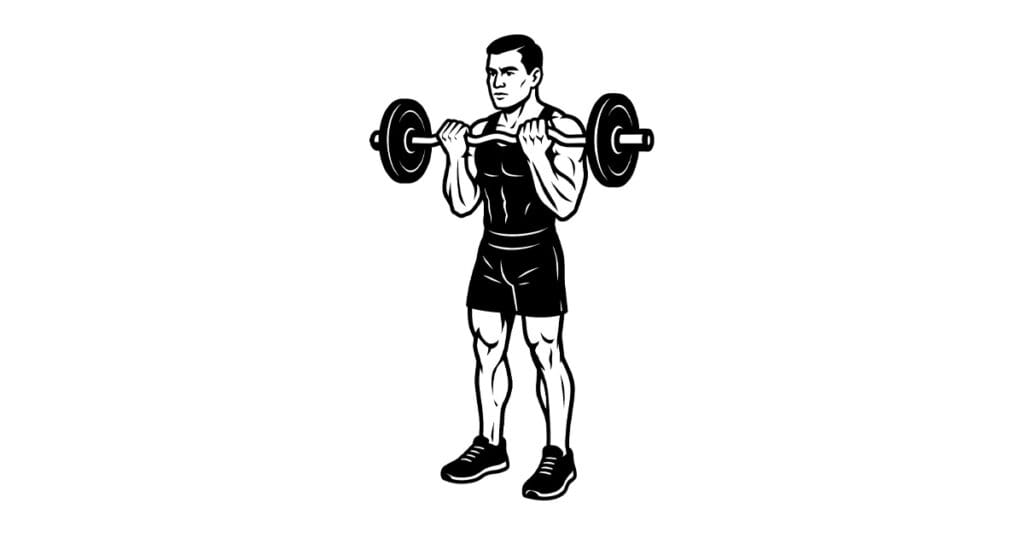
The Dumbbell Twist Curl is a highly effective isolation exercise designed to target the biceps while incorporating a natural rotational movement that enhances muscle activation. This variation of the traditional dumbbell curl emphasizes both elbow flexion and forearm supination, making it a valuable addition to any upper body training routine focused on arm development.
The primary muscle group worked during the Dumbbell Twist Curl is the biceps, particularly the biceps brachii. This muscle is responsible for bending the elbow and rotating the forearm. By adding a twisting motion during the curl, the exercise maximizes biceps engagement, especially during the peak contraction phase.
Secondary muscles involved include the forearms, which play a key role in stabilizing the wrist and controlling the rotation of the dumbbells. The shoulders also contribute slightly by providing stability and maintaining proper arm positioning throughout the movement.
To perform the Dumbbell Twist Curl, begin by standing upright with a dumbbell in each hand and your palms facing inward. This neutral grip position reduces initial stress on the wrists and prepares the arms for the rotational movement. Keep your elbows close to your torso and your core engaged to maintain a stable posture.
As you begin the curl, rotate your wrists so that your palms gradually face upward. This twisting motion, known as supination, occurs simultaneously with the upward movement of the dumbbells. Continue lifting until the weights reach shoulder height, ensuring that your elbows remain stationary throughout the movement.
At the top of the curl, your palms should be fully facing upward, and your biceps should be fully contracted. Pause briefly to maximize muscle engagement, then slowly lower the dumbbells back to the starting position while reversing the rotation. Your palms should return to a neutral position by the time your arms are fully extended.
One of the key benefits of the Dumbbell Twist Curl is its ability to provide a more complete contraction of the biceps compared to standard curls. The rotational component ensures that the muscle is engaged through a full range of motion, leading to improved strength and muscle development.
Proper technique is essential for achieving optimal results. It is important to avoid using momentum or swinging the weights, as this reduces the effectiveness of the exercise and increases the risk of injury. Instead, focus on controlled, deliberate movements and maintain constant tension in the biceps.
Keeping your elbows fixed in place is also crucial. Allowing them to drift forward or outward can shift the emphasis away from the biceps and involve other muscle groups unnecessarily. Maintaining a stable upper arm position ensures that the biceps remain the primary focus.
The Dumbbell Twist Curl is suitable for beginners due to its straightforward movement pattern and adaptability. It can be performed with a wide range of weights, making it accessible for individuals at different fitness levels. As strength improves, the load can be gradually increased to continue progressing.
Common mistakes include using excessive weight, neglecting the rotational aspect, and performing the movement too quickly. Addressing these issues by prioritizing form and control will lead to better muscle activation and reduced injury risk.
Overall, the Dumbbell Twist Curl is an effective and versatile exercise for building stronger, more defined arms. Its combination of curling and rotational mechanics makes it a valuable tool for enhancing biceps development and improving overall upper body strength when performed correctly.