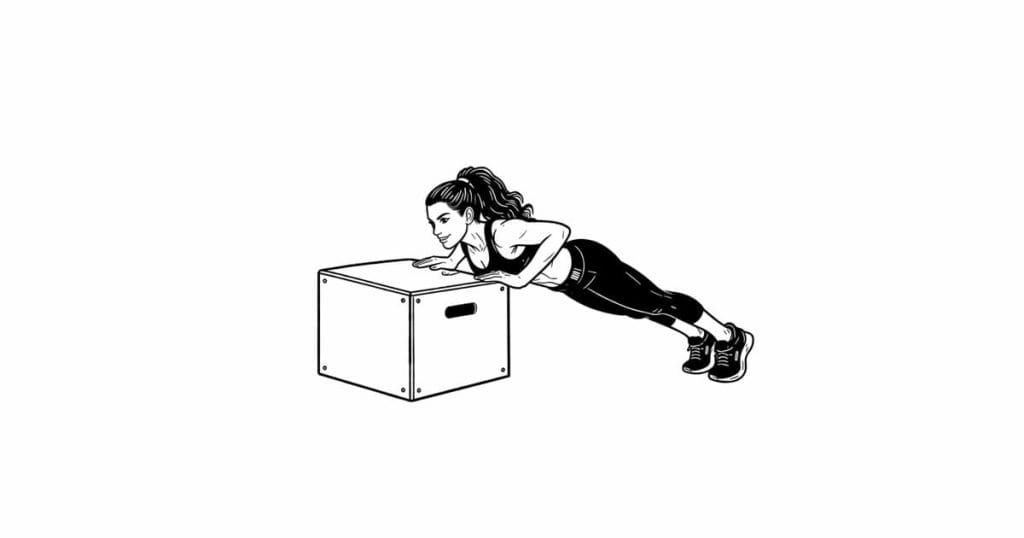
The Dumbbell Standing Chest Fly is an effective upper body exercise that targets the chest while also engaging the shoulders, arms, and core for stability. Unlike traditional chest fly variations performed on a bench, this standing version introduces a functional element by requiring the body to remain upright and balanced throughout the movement. This makes it a valuable exercise for improving not only muscle strength but also coordination and control.
The primary muscle group activated during the Dumbbell Standing Chest Fly is the chest, specifically the pectoralis major. This muscle is responsible for bringing the arms together in front of the body, which is the main action performed during the exercise. The shoulders, particularly the anterior deltoids, assist in stabilizing and guiding the movement, while the biceps contribute to maintaining the slight bend in the elbows. Additionally, the core muscles play a key role in maintaining posture and preventing excessive movement of the torso.
One of the main benefits of the Dumbbell Standing Chest Fly is its ability to isolate the chest muscles while still engaging supporting muscles for stability. The standing position requires the core to remain active, helping to improve balance and overall body awareness. This added engagement can enhance functional strength and make the exercise more applicable to real-world movements.
Another advantage of this exercise is the use of dumbbells, which allow for a natural and unrestricted range of motion. Unlike machines that follow a fixed path, dumbbells enable each arm to move independently, helping to correct muscle imbalances and improve coordination. This freedom of movement also allows for a deeper stretch at the bottom of the exercise and a stronger contraction at the top.
Proper form is essential for maximizing the effectiveness of the Dumbbell Standing Chest Fly. Begin by standing tall with your feet shoulder-width apart and a dumbbell in each hand. Your arms should be slightly bent and positioned in front of your body. As you open your arms out to the sides, maintain a controlled motion and avoid letting your elbows straighten or drop too low.
At the bottom of the movement, you should feel a stretch across your chest. It is important not to overstretch, as this can place unnecessary stress on the shoulder joints. Instead, focus on maintaining control and staying within a comfortable range of motion.
As you bring the dumbbells back together, think of the movement as hugging a large object. This cue helps ensure that the chest muscles are doing the majority of the work. Squeeze your chest at the top of the movement to maximize muscle activation.
Control is key throughout the exercise. Avoid using momentum or swinging the weights, as this reduces the effectiveness of the movement and increases the risk of injury. Instead, move slowly and deliberately, focusing on both the opening and closing phases.
Maintaining a stable torso is also important. Keep your core engaged and avoid leaning forward or backward. This helps ensure that the focus remains on the chest muscles and prevents unnecessary strain on the lower back.
Breathing should be coordinated with the movement. Inhale as you open your arms and exhale as you bring them back together. This helps maintain rhythm and supports proper muscle engagement.
Common mistakes include using weights that are too heavy, allowing the elbows to lock, and failing to control the movement. These errors can reduce muscle activation and increase the risk of injury.
The Dumbbell Standing Chest Fly is suitable for individuals looking to build chest strength and improve upper body control. It can be easily adjusted by modifying the weight or range of motion to match different fitness levels.
Overall, this exercise provides a unique combination of chest isolation and core engagement. Its emphasis on control, balance, and proper form makes it a valuable addition to any strength training routine focused on functional fitness and muscle development.