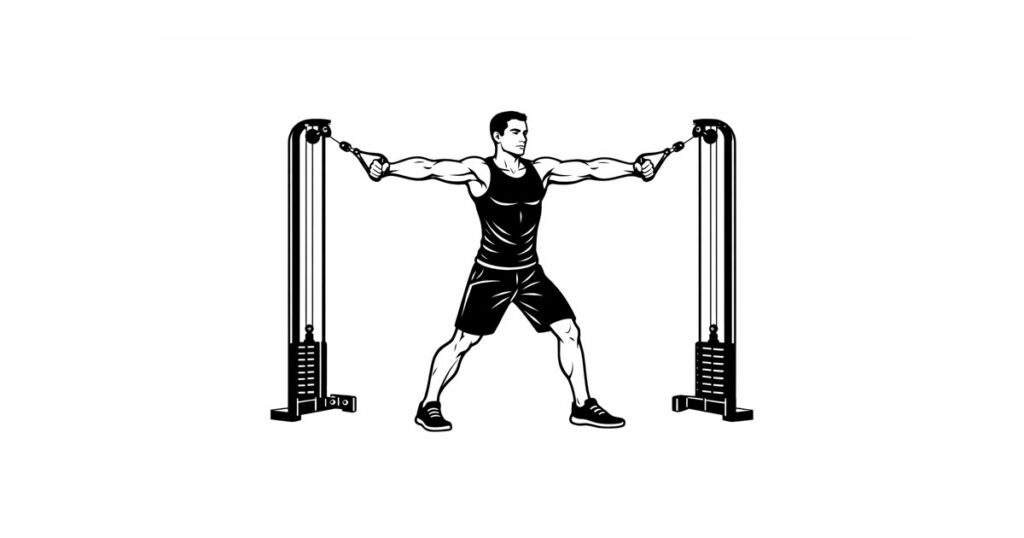
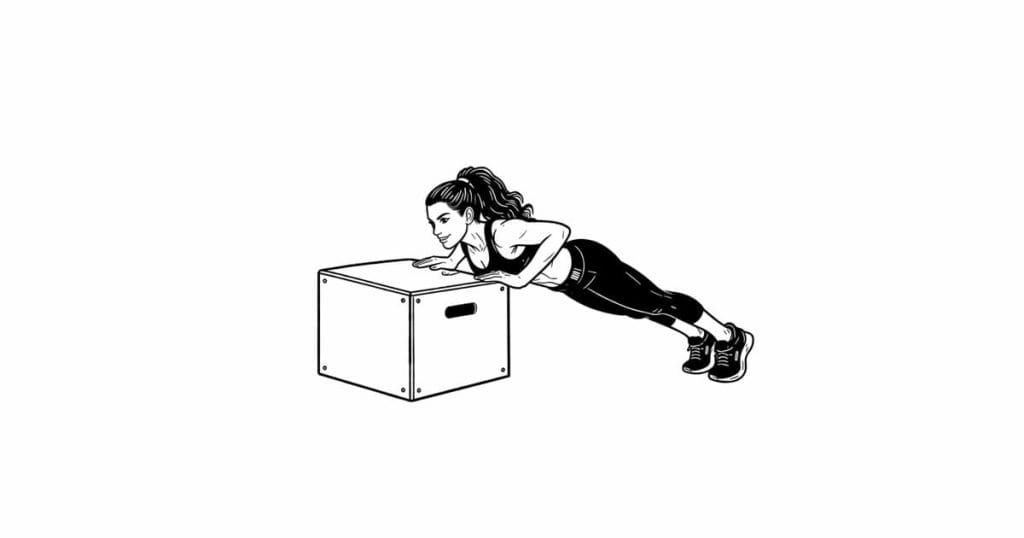
The Dumbbell Stability Ball Seated Horizontal Chest Press is a functional upper body exercise that targets the chest while incorporating core stability and balance. Unlike traditional chest press variations performed on a bench, this exercise is performed seated on a stability ball, which introduces an element of instability. This forces the body to recruit additional stabilizing muscles, making it an effective movement for improving both strength and coordination.
The primary muscle group targeted during this exercise is the chest, specifically the pectoral muscles. These muscles are responsible for pushing movements and play a key role in upper body strength. Supporting muscles include the shoulders and triceps, which assist in extending the arms during the pressing phase. Additionally, the core muscles, including the abdominals and lower back—are actively engaged to maintain balance and proper posture on the stability ball.
One of the main benefits of the Dumbbell Stability Ball Seated Horizontal Chest Press is its ability to combine strength training with core activation. Sitting on the stability ball creates an unstable surface, which requires continuous engagement of the core muscles to prevent tipping or losing balance. This added demand enhances overall body control and helps develop functional strength that carries over to daily activities and other exercises.
Another advantage of this exercise is the freedom of movement provided by dumbbells. Unlike machines or barbells, dumbbells allow each arm to move independently, which helps correct muscle imbalances and improves coordination. This independence also allows for a more natural range of motion, reducing joint strain and promoting better muscle activation.
Proper form is essential to maximize the effectiveness of this exercise and reduce the risk of injury. Begin by sitting tall on the stability ball with your feet firmly planted on the ground. The dumbbells should be held at chest level with the elbows bent and slightly tucked. Maintaining a neutral spine is critical, as excessive arching of the lower back can place unnecessary stress on the spine.
As you press the dumbbells forward, focus on engaging the chest muscles while keeping the movement smooth and controlled. The arms should extend straight in front of the body, rather than upward, to maintain proper alignment and target the chest effectively. At the top of the movement, avoid locking out the elbows, and instead maintain a slight bend to keep tension on the muscles.
The return phase is just as important as the pressing phase. Lower the dumbbells slowly back to the starting position, maintaining control and resisting gravity. This controlled eccentric phase helps increase muscle activation and contributes to strength development.
Core engagement remains a priority throughout the exercise. The stability ball will naturally shift if the core is not properly engaged, so maintaining tension in the abdominal muscles helps keep the body steady. Keeping the hips stable and avoiding excessive movement ensures that the focus remains on the chest and upper body.
Breathing should be coordinated with the movement. Exhale as you press the dumbbells forward and inhale as you return them to the starting position. This helps maintain rhythm and supports proper muscle function.
The Dumbbell Stability Ball Seated Horizontal Chest Press is suitable for individuals looking to improve upper body strength while also enhancing stability and coordination. It can be adjusted by modifying the weight of the dumbbells or the tempo of the movement.
Overall, this exercise provides a unique combination of chest strengthening and core engagement. Its emphasis on balance, control, and functional movement makes it a valuable addition to any well-rounded fitness routine.