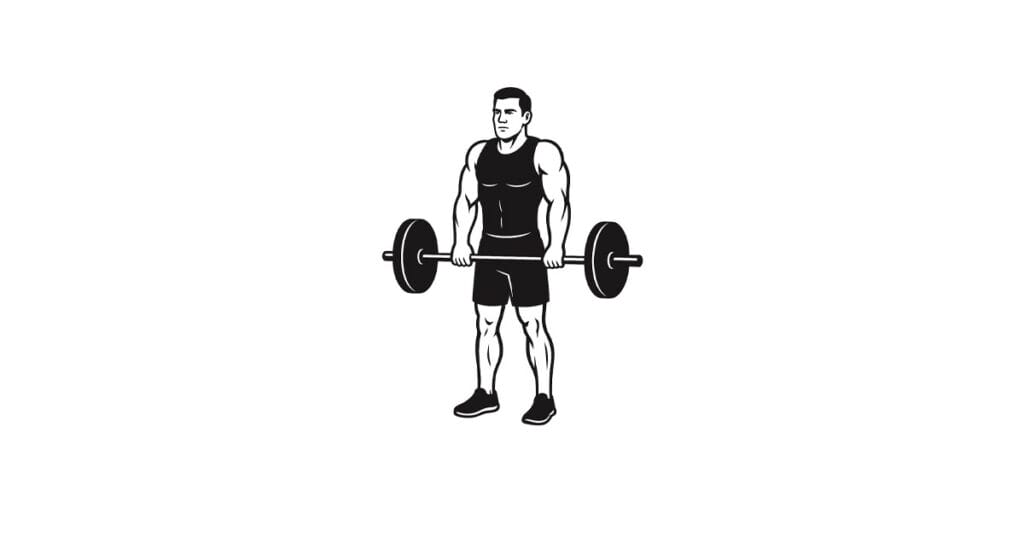
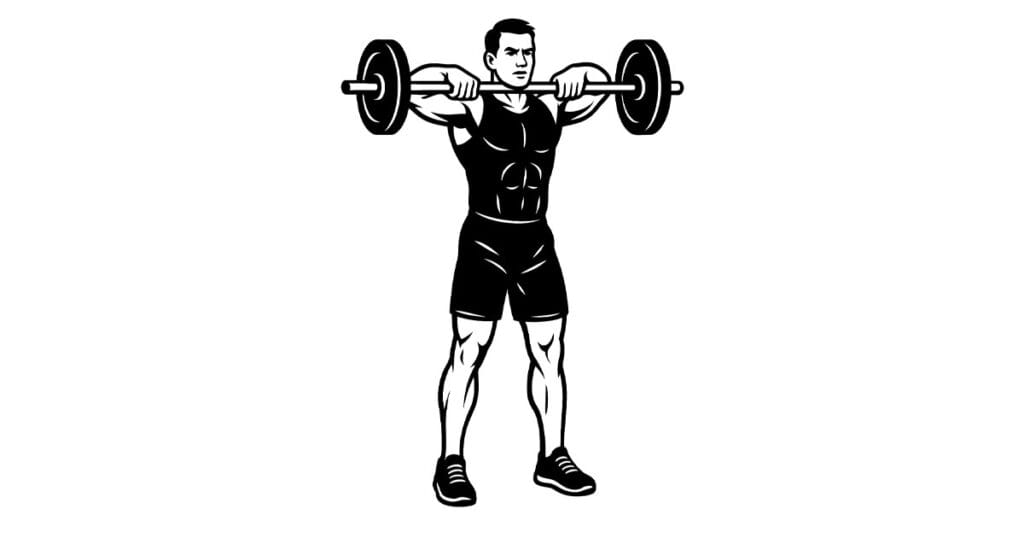
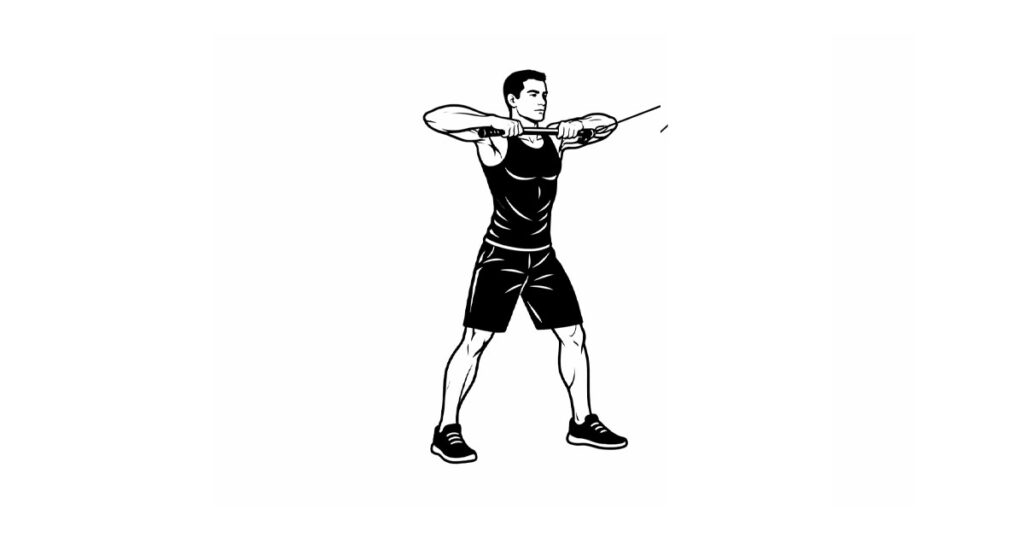
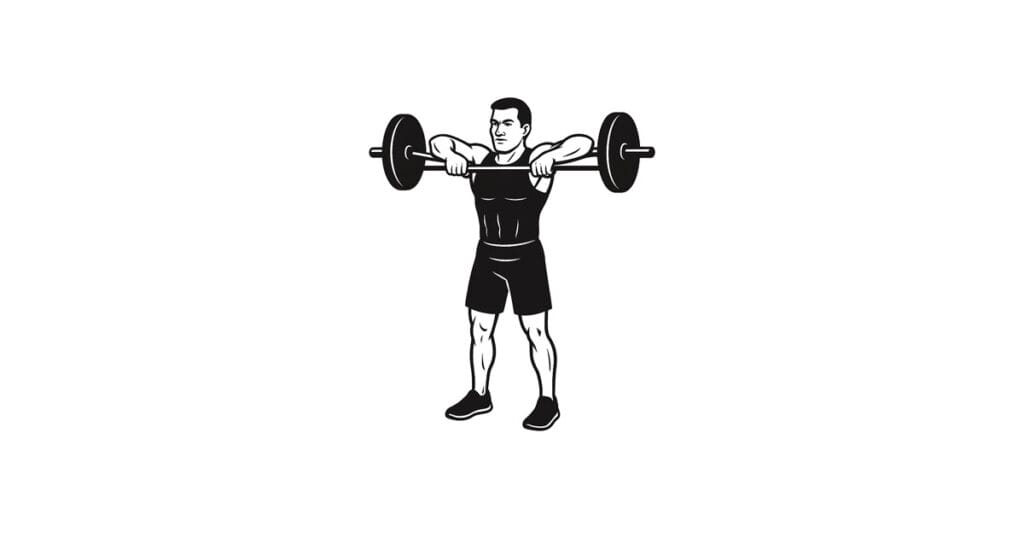
The Dumbbell Shrug is a fundamental strength exercise that targets the trapezius muscles, particularly the upper traps, which are responsible for elevating the shoulders and supporting the neck and upper back. This simple yet highly effective movement is widely used to build upper body strength, improve posture, and enhance shoulder stability. Its straightforward execution makes it accessible for beginners while still offering significant benefits for advanced lifters.
The primary muscle worked during this exercise is the trapezius, a large muscle spanning the upper back and neck. The upper portion is especially active during the shrugging motion. In addition, the upper back muscles help stabilize the shoulder blades, while the forearms are engaged to maintain grip on the dumbbells.
One of the main benefits of the Dumbbell Shrug is its ability to isolate the traps effectively. The movement is simple, lifting the shoulders vertically, allowing for focused activation without the complexity of larger compound exercises. This makes it ideal for building strength and size in the upper traps.
Another key advantage is its impact on posture. Strong trapezius muscles help support proper alignment of the shoulders and neck, reducing the risk of rounded shoulders and forward head posture—common issues for those who sit for long periods.
Using dumbbells adds further benefits. Each arm works independently, helping correct muscle imbalances and promoting symmetrical development. The freedom of movement also allows for a more natural range of motion, which can reduce joint strain and improve comfort.
Proper technique is essential for effectiveness and safety. The shoulders should be lifted straight upward toward the ears, not rolled in a circular motion. Shoulder rolling is a common mistake that can place unnecessary stress on the joints and reduce muscle engagement.
At the top of the movement, a brief pause and squeeze helps maximize trap activation. The lowering phase should be slow and controlled to maintain tension throughout the exercise and improve muscle development.
Maintaining a neutral neck position is also important. The head should stay aligned with the spine, and the neck should remain relaxed to avoid unnecessary strain. This ensures the traps remain the primary working muscle.
Breathing and tempo contribute to better performance. Exhale as you lift the shoulders and inhale as you lower them. Controlled, steady repetitions are more effective than fast or jerky movements.
The Dumbbell Shrug also helps improve grip strength, as holding the dumbbells for multiple reps engages the forearms and enhances endurance.
This exercise is easily adjustable for different fitness levels. Lighter weights allow focus on technique and control, while heavier weights can be used progressively to build strength and muscle mass.
Overall, the Dumbbell Shrug is a reliable and effective exercise for developing strong traps, improving upper back stability, and enhancing posture. Its simplicity, versatility, and focus on controlled movement make it a valuable addition to any strength training routine.