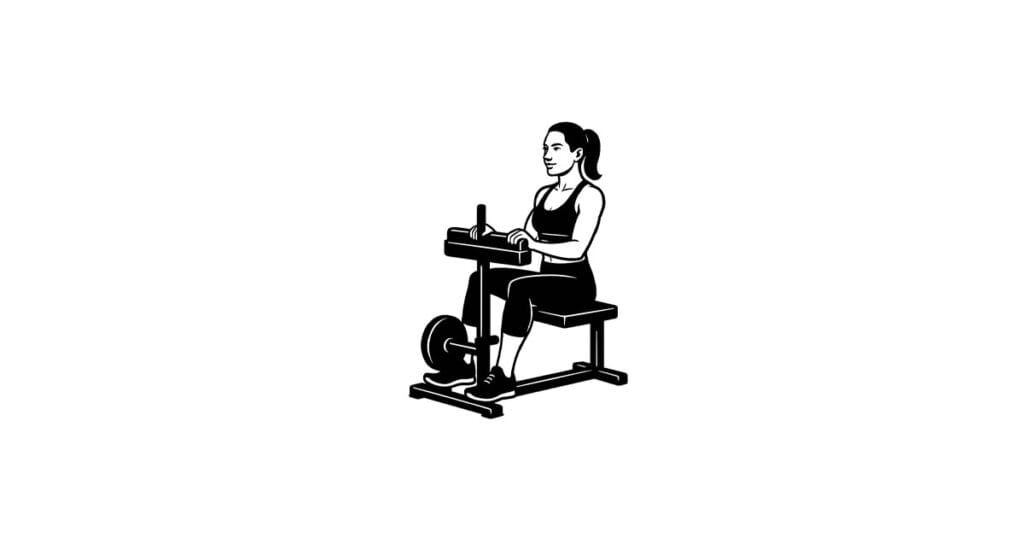
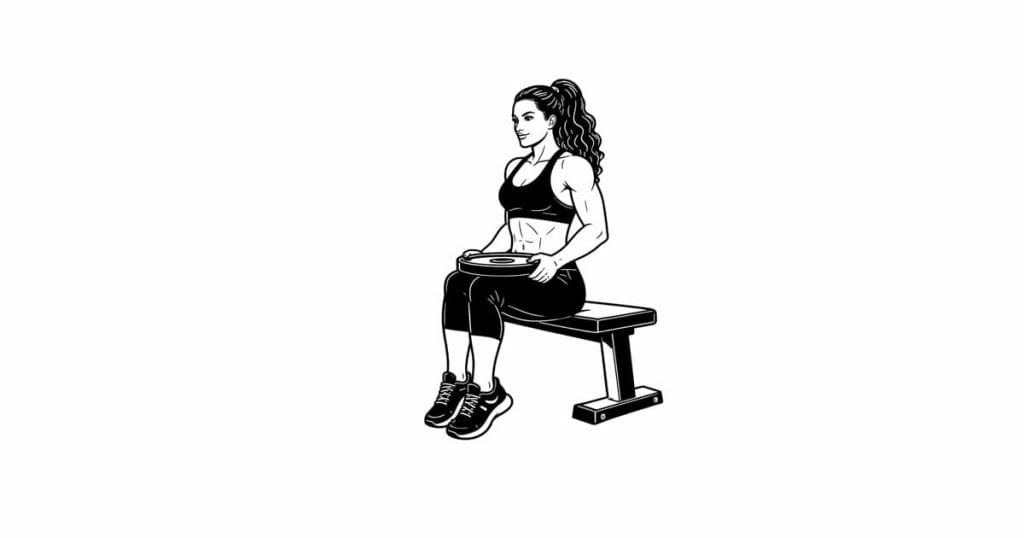
The Dumbbell Calf Raise is a simple and effective lower-body exercise designed to strengthen and develop the calf muscles. It primarily targets the muscles responsible for ankle movement and plays an important role in improving balance, stability, and lower-body strength. This exercise can be performed with minimal equipment, making it accessible in a variety of training environments.
The primary muscles worked during the Dumbbell Calf Raise are the calf muscles. These muscles are responsible for plantarflexion, which is the movement of raising the heels off the ground. Strong calves are important for everyday activities such as walking, running, and jumping, as well as for athletic performance.
Secondary muscles include the core, which helps stabilize the body during the movement. Maintaining balance while holding dumbbells requires engagement of the core muscles to keep the torso upright and steady.
To perform the Dumbbell Calf Raise, the exerciser stands upright while holding a dumbbell in each hand. The feet are placed hip-width apart, and the body remains aligned with the chest up and shoulders relaxed. The movement begins by pushing through the balls of the feet to lift the heels upward.
At the top of the movement, the calves contract to raise the body as high as possible. This position should be held briefly to maximize muscle engagement. The exerciser then lowers the heels back down in a controlled manner, returning to the starting position.
One of the key benefits of the Dumbbell Calf Raise is its simplicity and effectiveness. It directly targets the calf muscles while also improving balance and coordination. The addition of dumbbells increases resistance, allowing for greater strength development compared to bodyweight variations.
Performing the exercise on an elevated surface, such as a step or box, can increase the range of motion. This allows for a deeper stretch at the bottom of the movement and a stronger contraction at the top, which can enhance muscle development.
Proper technique is essential for maximizing the effectiveness of the Dumbbell Calf Raise. The movement should be slow and controlled, with a focus on lifting and lowering the heels deliberately. Avoid using momentum or bouncing, as this reduces muscle engagement and increases the risk of injury.
Common mistakes include not reaching full extension at the top, allowing the ankles to roll, and using weights that are too heavy. These errors can limit the effectiveness of the exercise and place unnecessary stress on the joints.
The Dumbbell Calf Raise is suitable for individuals at all fitness levels. Beginners can start with lighter weights or bodyweight, while more advanced individuals can increase resistance or perform variations to increase difficulty.
Overall, the Dumbbell Calf Raise is an essential exercise for building calf strength, improving balance, and enhancing lower-body performance. Its versatility and effectiveness make it a valuable addition to any strength training routine.