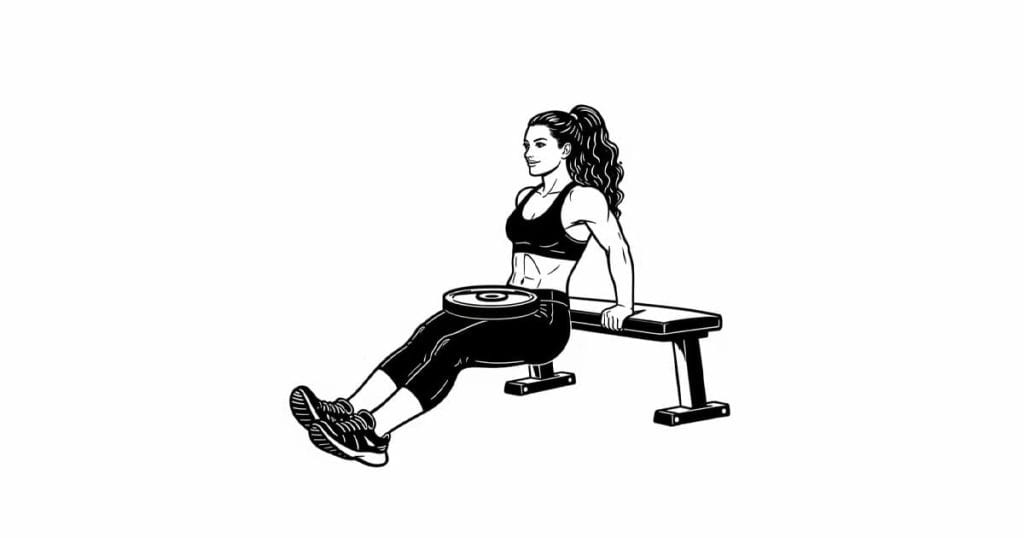
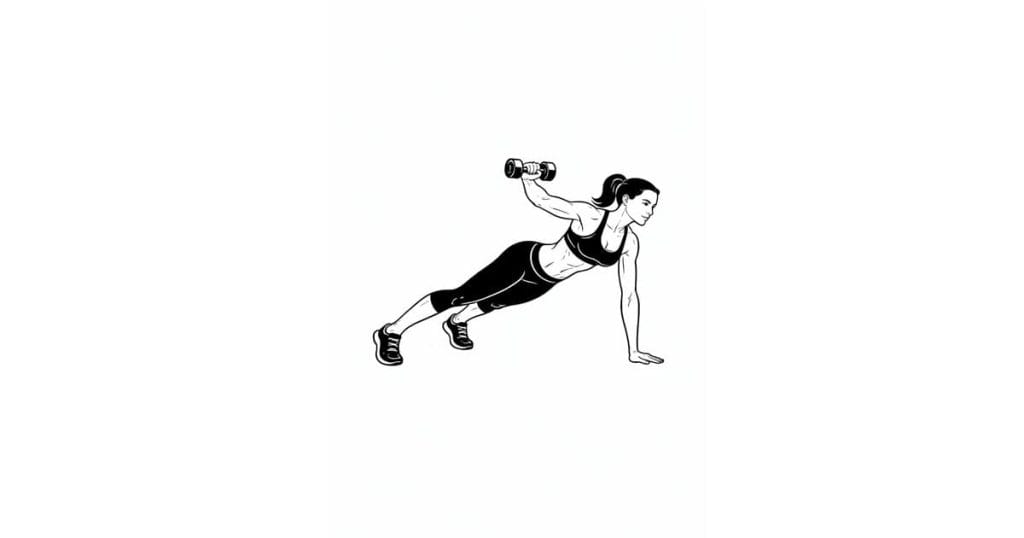
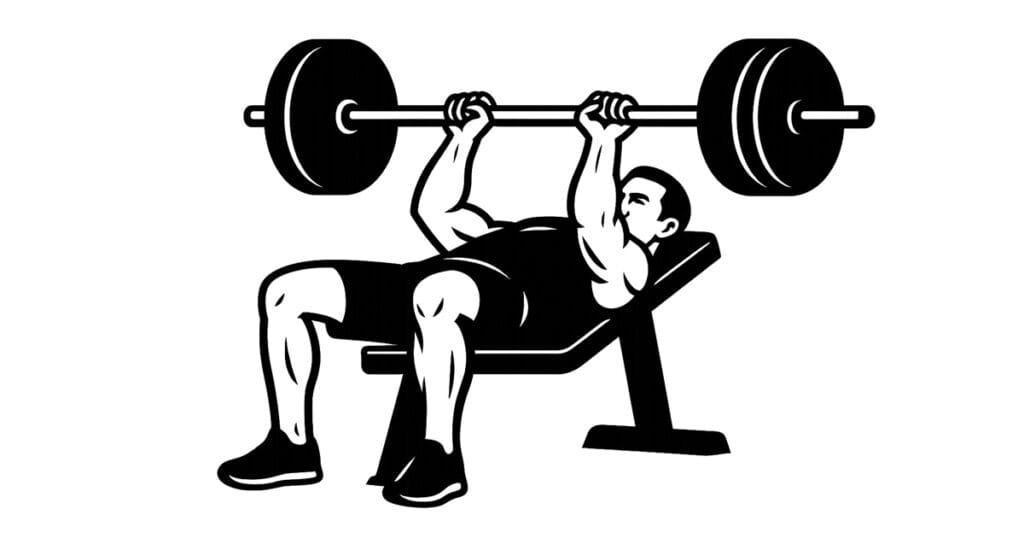
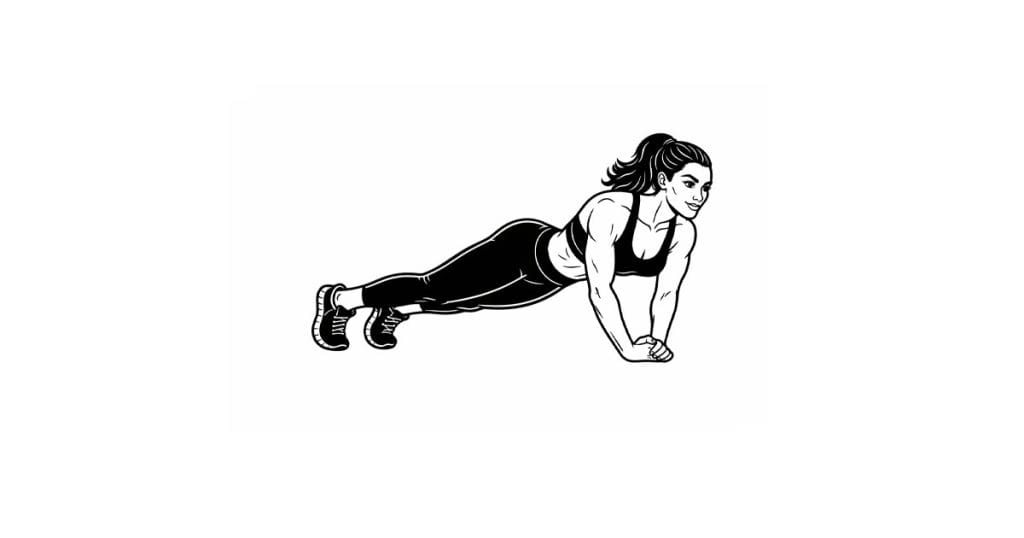
The Cable One Arm Rope Pulldown is a unilateral triceps isolation exercise designed to build arm strength, improve muscular control, and enhance left-to-right balance. Performed with a rope attachment on a cable machine, this movement keeps continuous tension on the triceps throughout the entire range of motion, making it both effective and joint-friendly.
The primary muscle targeted is the triceps, which are responsible for elbow extension. The rope attachment allows for a more natural hand and wrist position compared to straight-bar attachments, often improving comfort during the movement. Secondary muscles such as the shoulders, forearms, and core assist in stabilizing the arm and maintaining proper posture.
One of the biggest advantages of the single-arm rope pulldown is unilateral loading. Training one arm at a time helps identify and correct strength imbalances between sides while improving coordination and mind-muscle connection. This focused approach makes it easier to feel and control the triceps through each repetition.
Using a cable machine ensures constant resistance from the top of the movement to full extension. Unlike free-weight exercises, where tension can drop off at certain points, the cable maintains consistent load throughout the entire range of motion. This increases time under tension and promotes greater triceps activation.
Proper setup is essential for effectiveness and safety. Setting the pulley at a high position aligns the resistance with the natural downward pressing motion of the arm. Keeping the elbow close to the torso minimizes shoulder involvement and ensures the triceps remain the primary movers.
During execution, the movement should occur strictly at the elbow joint. The upper arm stays relatively fixed while the forearm presses the rope downward under control. This strict motion prevents compensation from larger muscle groups and keeps tension focused on the triceps.
At the bottom of the movement, fully extending the arm and briefly squeezing the triceps reinforces peak contraction. Avoid forcefully locking out the elbow, as this can increase joint stress without improving muscle engagement.
The rope attachment allows the hand to naturally rotate or slightly move outward at the bottom of the movement if comfortable. This freedom of motion can enhance triceps engagement while reducing wrist strain, as long as the movement remains controlled and consistent.
The return phase should be slow and deliberate. Allowing the rope to rise under control maintains tension on the triceps and strengthens the muscles eccentrically. Letting the weight pull the arm back too quickly reduces effectiveness and increases injury risk.
Maintaining an upright posture with a braced core is critical throughout the set. Leaning forward, swinging the torso, or using momentum shifts the load away from the triceps and compromises form. A staggered stance can help improve balance and stability.
This exercise is suitable for beginners due to its simple movement pattern and adjustable resistance, while also being valuable for more advanced lifters seeking precise triceps isolation, joint-friendly training, or unilateral arm work.
Overall, the Cable One Arm Rope Pulldown is an effective and versatile exercise for developing triceps strength, improving arm symmetry, and reinforcing controlled pressing mechanics when performed with proper technique.