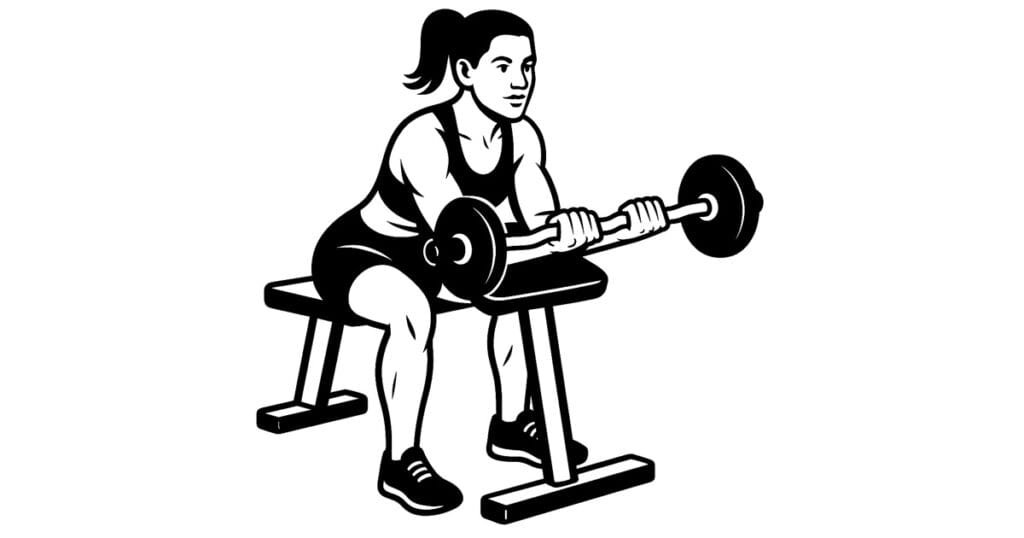
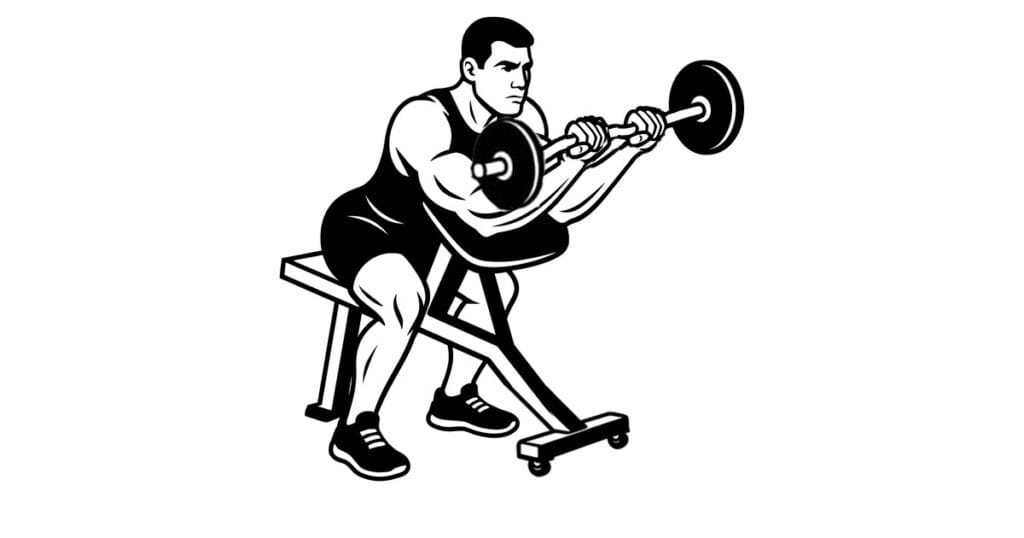
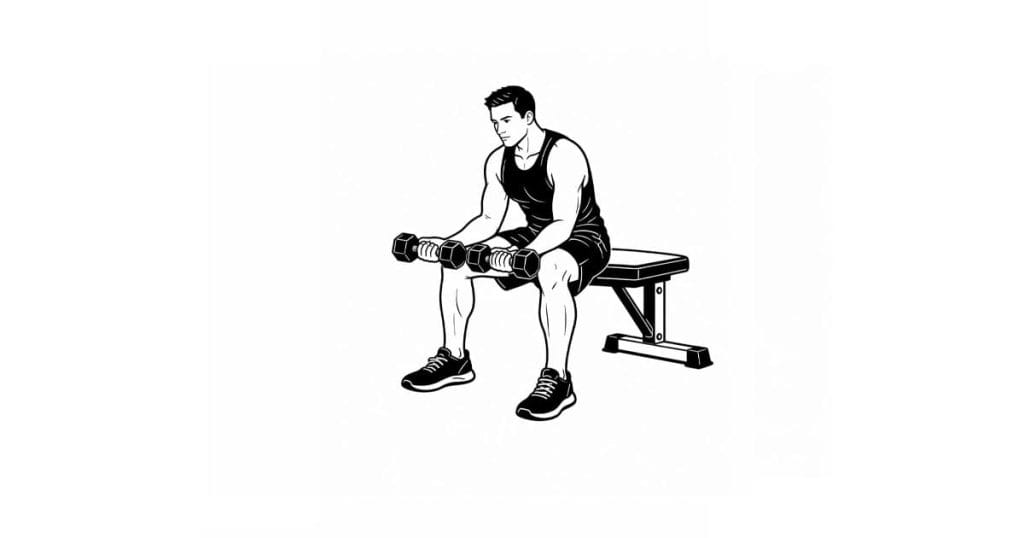
The Cable Behind-the-Back Forearm Curl is a highly effective isolation exercise designed to strengthen and develop the forearm flexor muscles through controlled wrist flexion. By positioning the arms behind the body and using cable resistance, this movement places the forearms under constant tension, making it an excellent choice for improving grip strength, wrist stability, and overall arm development.
Unlike traditional dumbbell or barbell wrist curls performed in front of the body, this cable variation alters the resistance angle and increases time under tension. The cable continuously pulls backward, requiring the forearm flexors to remain engaged throughout the entire range of motion. This consistent loading enhances muscular endurance, improves neuromuscular control, and promotes more effective isolation of the wrist flexors.
The primary muscles targeted during the Cable Behind-the-Back Forearm Curl are the forearm flexors, which are essential for gripping, pulling, and stabilizing the wrist during many upper-body and compound movements. The biceps and upper arm musculature act only as passive stabilizers to maintain arm position and do not contribute significantly to the lifting motion when proper technique is used.
To perform the exercise, the lifter stands facing away from a low cable pulley while holding the handle behind the hips with the palms facing forward. Stepping slightly forward creates constant tension in the cable from the start. The arms remain fully extended and stationary throughout the movement, with the elbows locked in place.
From this position, the handle is lifted by flexing the wrists upward only. There should be no movement at the elbows or shoulders. This strict wrist-only motion ensures that the forearm muscles are doing the work rather than larger muscle groups assisting the lift.
At the top of the movement, the wrists should be fully flexed, and the forearms actively contracted. A brief pause in this position reinforces the mind-muscle connection and maximizes muscular engagement. The handle is then lowered slowly and under control back to the starting position.
The eccentric, or lowering, phase is especially important for forearm development. Controlling the descent increases muscular tension and reduces unnecessary stress on the wrist joints. Allowing the wrists to return fully to the neutral position behind the body ensures a complete stretch before the next repetition.
One of the key advantages of the Cable Behind-the-Back Forearm Curl is its ability to limit cheating. Because the arms are positioned behind the torso, excessive elbow bending, shoulder involvement, or body sway becomes immediately noticeable. This encourages strict execution and cleaner repetitions.
Proper posture is essential for effectiveness. The torso should remain upright, the core braced, and the shoulders relaxed. Leaning forward or allowing the elbows to bend reduces tension on the forearms and compromises isolation.
This exercise works well as an accessory movement in arm-focused, grip-focused, or upper-body training sessions. Strong forearms contribute to better performance in pulling exercises, carries, deadlifts, and other compound lifts that rely heavily on grip endurance and wrist stability.
Overall, the Cable Behind-the-Back Forearm Curl is a simple yet highly effective movement for building forearm strength, endurance, and control. Its constant tension, strict execution, and unique arm positioning make it an excellent addition for anyone looking to enhance wrist strength, grip ability, and balanced arm development.