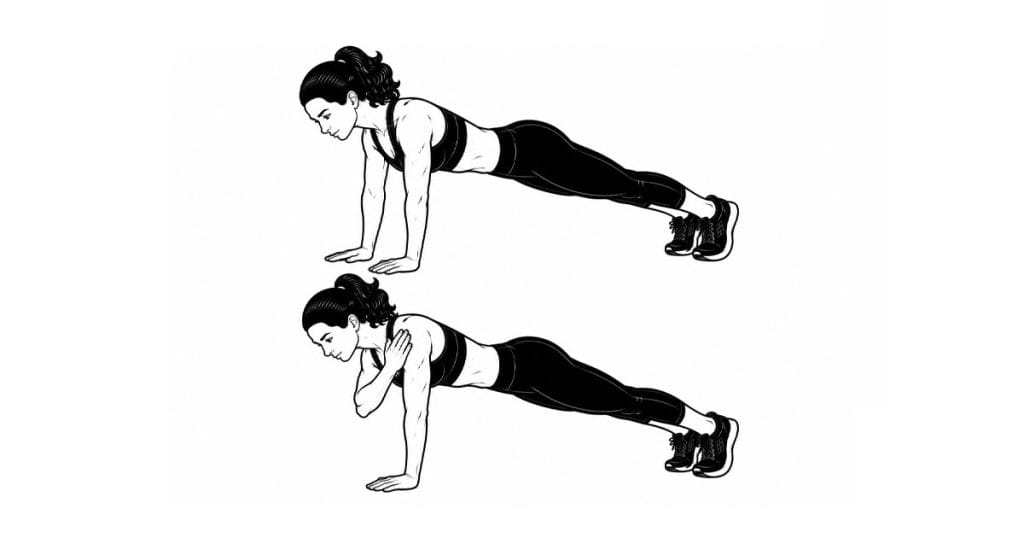
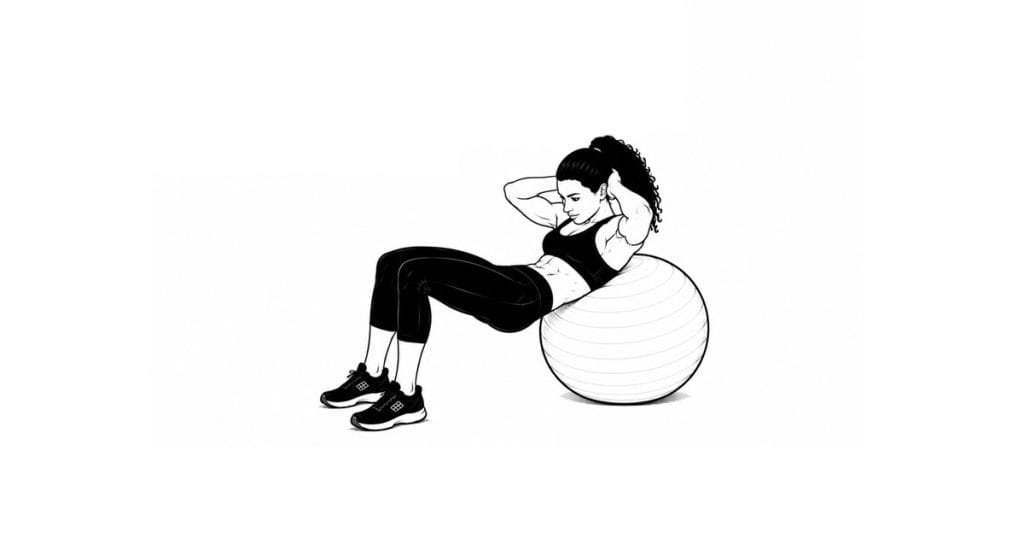
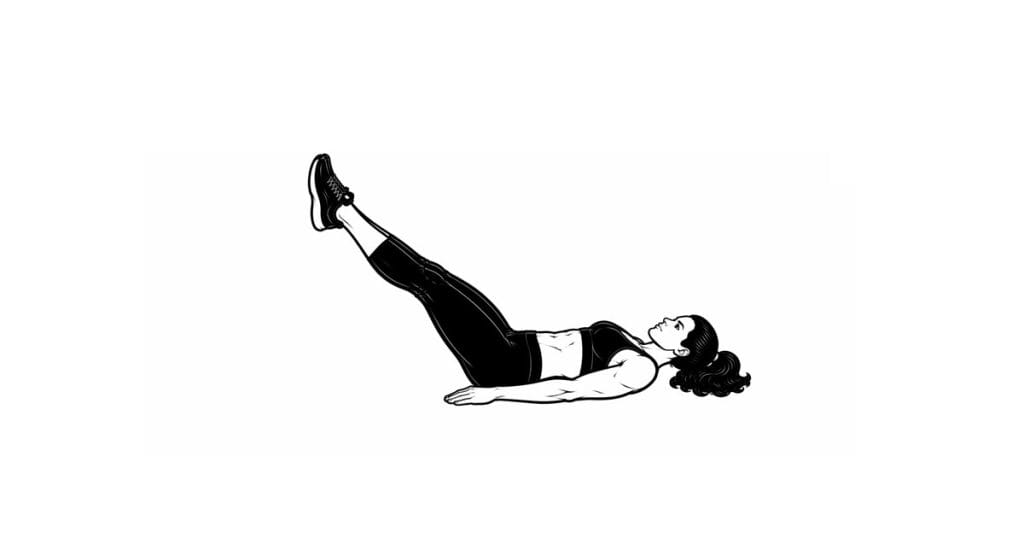
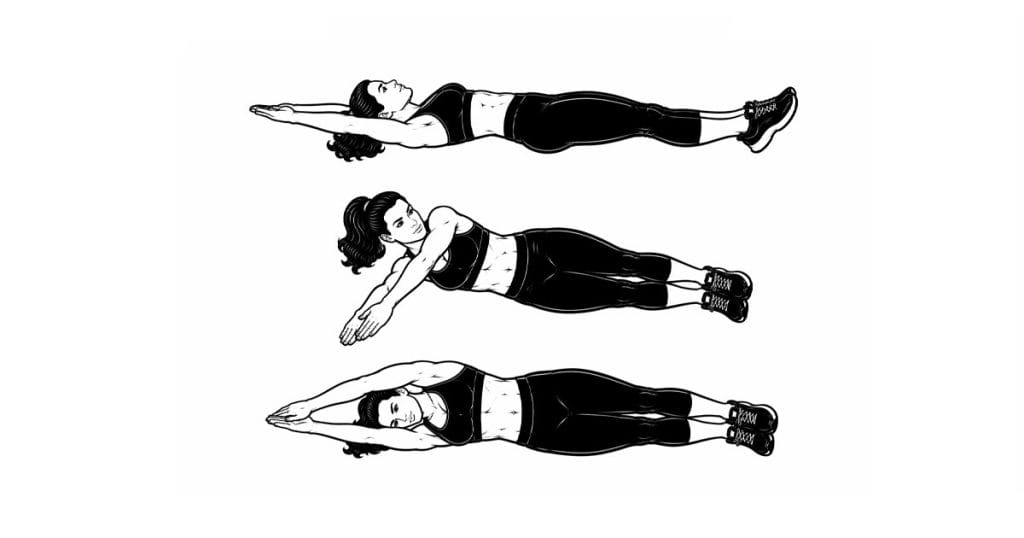
The butterfly sit-up is an effective core exercise that emphasizes abdominal strength, control, and mobility by altering the traditional sit-up position. By placing the soles of the feet together and allowing the knees to fall outward, this variation reduces the involvement of the hip flexors and shifts more of the workload onto the abdominal muscles. This makes it a valuable option for individuals looking to better target the core while maintaining a simple, equipment-free movement.
The unique positioning of the legs plays a key role in how the exercise functions. With the hips externally rotated, the body is less able to rely on the hip flexors to initiate the movement. As a result, the abdominal muscles—particularly the rectus abdominis—must work harder to lift the torso. This adjustment helps create a more focused and effective core contraction throughout each repetition.
In addition to strengthening the abs, the butterfly sit-up also promotes flexibility in the hips and inner thighs. The open leg position gently stretches the adductors while the torso moves through flexion and extension. This combination of mobility and strength makes the exercise beneficial for overall movement quality and functional fitness.
Another key benefit of the butterfly sit-up is improved core endurance. The controlled lifting and lowering of the torso require sustained muscle engagement, helping to build stamina in the abdominal muscles. This can enhance performance in other exercises and daily activities that rely on core stability and control.
Proper technique is essential for maximizing results. The movement should be initiated by engaging the core rather than using momentum. Keeping the feet pressed together and the knees relaxed outward ensures the correct positioning is maintained. A smooth, controlled tempo during both the upward and downward phases helps increase muscle activation and reduces strain.
Common mistakes include swinging the arms or using momentum to sit up, pulling on the neck, and allowing the feet to separate. These errors can decrease effectiveness and place unnecessary stress on the body. Focusing on controlled movement and proper alignment helps ensure the core remains the primary driver of the exercise.
From a safety standpoint, performing the butterfly sit-up on a cushioned surface can help protect the spine and improve comfort. Individuals with lower back sensitivity should pay close attention to form and adjust their range of motion if needed.
Overall, the butterfly sit-up is a practical and efficient core exercise that strengthens the abdominal muscles, improves flexibility, and enhances control. Its simple setup and targeted benefits make it a valuable addition to any core-focused training routine.