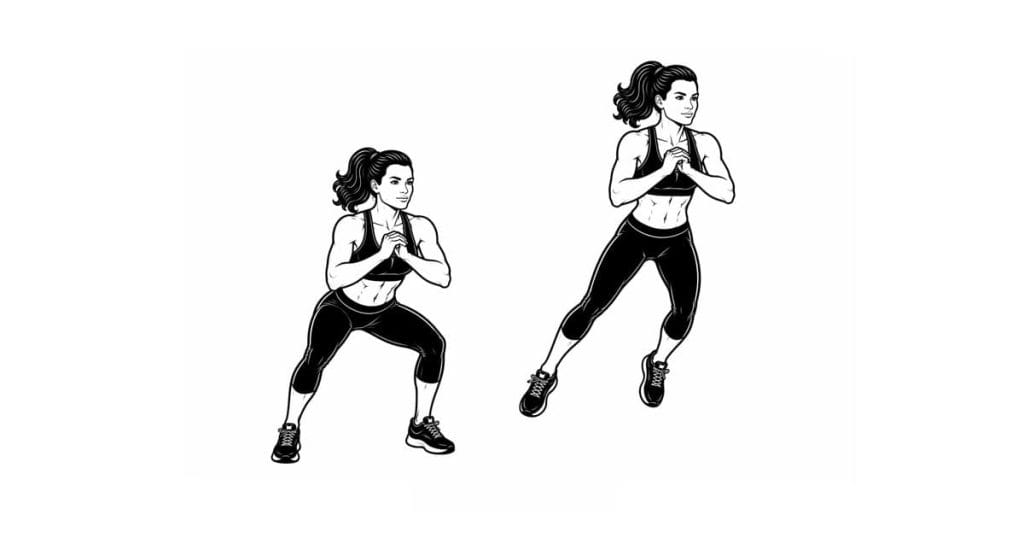
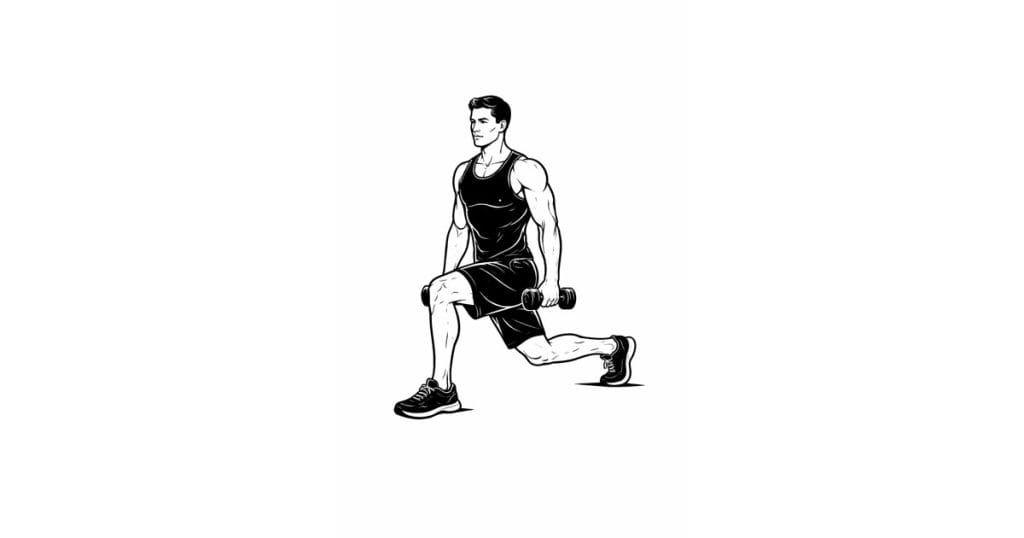
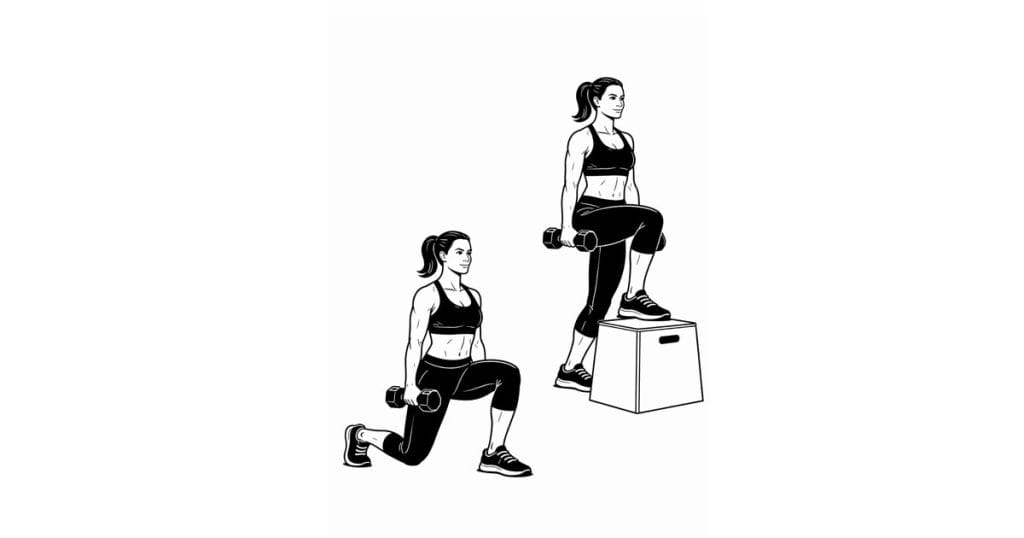
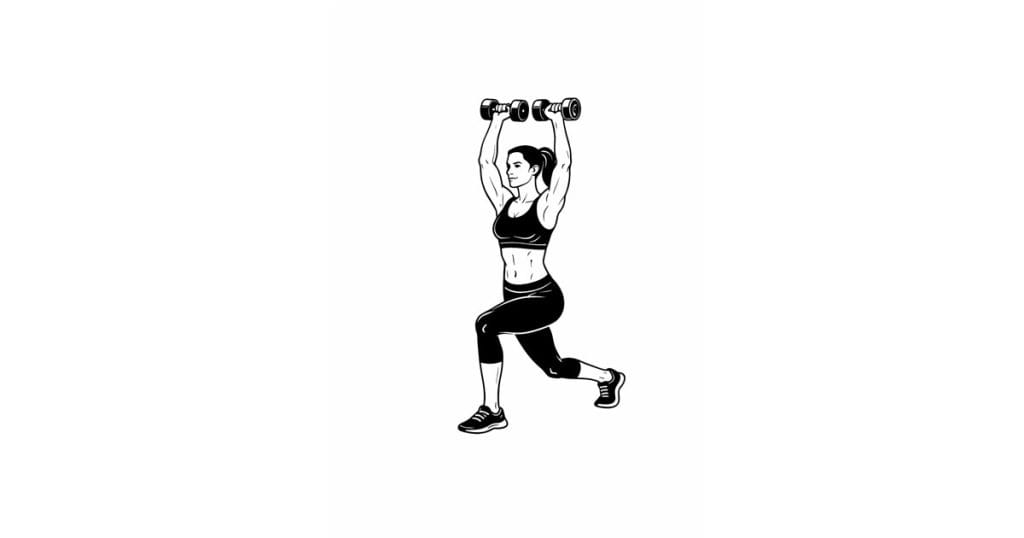
Bodyweight walking lunges are a dynamic lower body exercise that build strength, coordination, and balance while promoting functional movement patterns. This movement primarily targets the quadriceps, with additional engagement from the glutes, hamstrings, calves, and core, making it a comprehensive exercise for overall lower body development.
Unlike stationary lunges, walking lunges involve continuous forward motion, which increases the demand on balance and control. Each step requires coordination as the body lowers into a lunge and transitions smoothly into the next repetition. This fluid movement enhances stability and improves movement efficiency in both athletic performance and everyday activities.
One of the key benefits of bodyweight walking lunges is their ability to develop unilateral strength. Each leg works independently through the movement, helping to correct muscular imbalances and improve symmetry between sides. This contributes to better overall performance and reduces the risk of injury.
In addition to strengthening the legs, the exercise challenges the core to maintain posture and stability. The abdominal muscles and lower back work together to keep the torso upright, while the calves assist in stabilizing the ankles during each step. This full-body engagement improves coordination and control.
Proper technique is essential for maximizing effectiveness. The torso should remain upright with the core engaged, and each step should be controlled. The front knee should track in line with the toes, and the step length should allow for a stable and balanced descent. Moving with control rather than speed ensures better muscle activation and reduces strain on the joints.
Common mistakes include allowing the front knee to collapse inward, taking uneven step lengths, and leaning forward excessively. These errors can reduce muscle engagement and increase stress on the joints. Maintaining alignment and consistent movement helps ensure safe execution.
From a safety perspective, walking lunges should be performed on a stable, flat surface. Slower, controlled steps can help improve balance, especially for beginners. Adjusting the depth of each lunge can also make the exercise more comfortable and manageable.
Overall, bodyweight walking lunges are a versatile and effective exercise for building lower body strength, improving balance, and enhancing coordination. Their dynamic nature and functional benefits make them a valuable addition to any training routine.