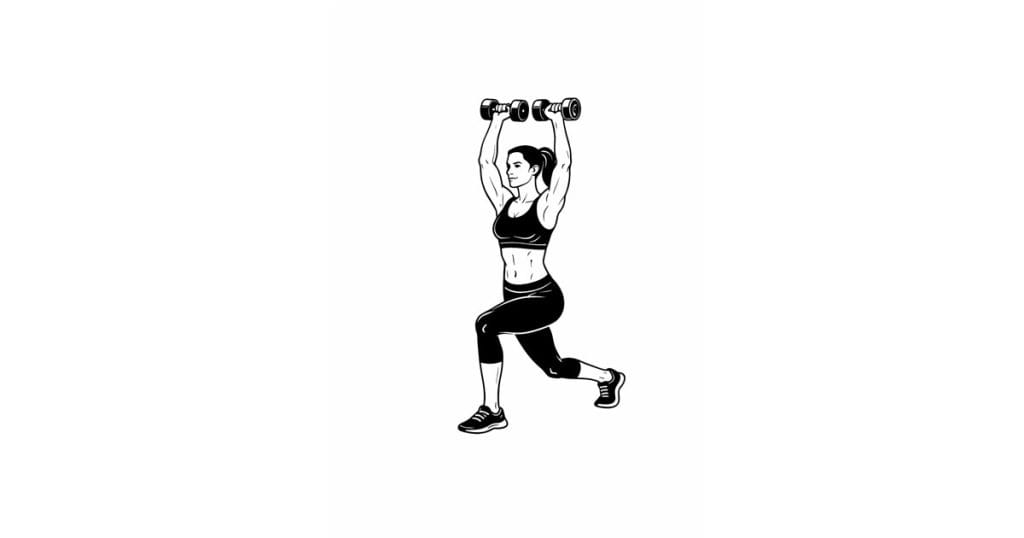
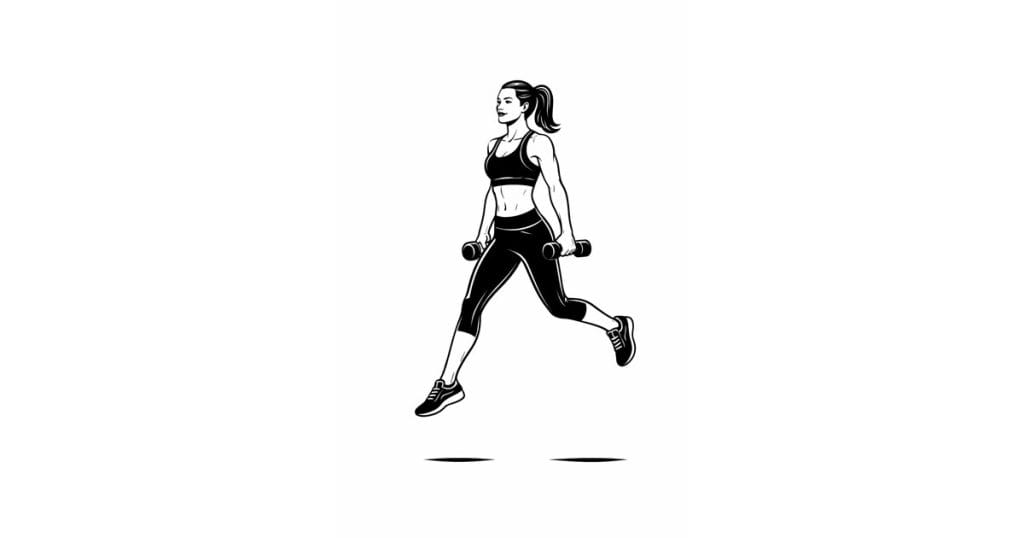
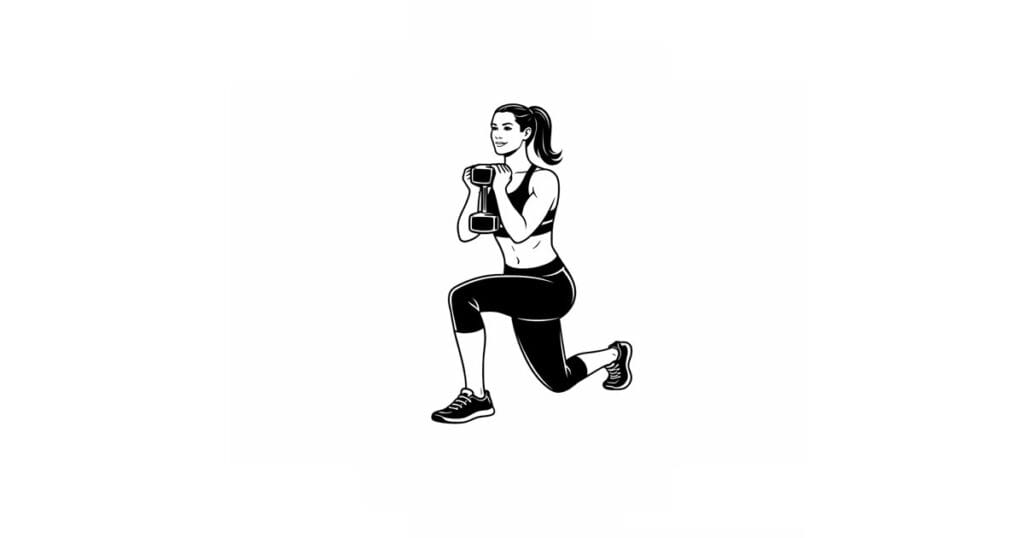
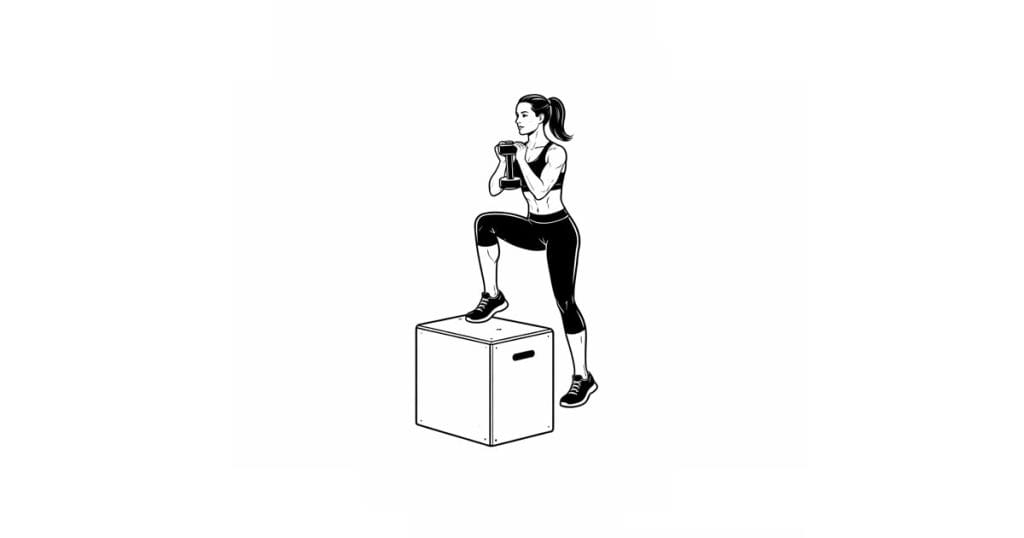
Bodyweight lunges are a foundational lower body exercise that develop strength, balance, and coordination by working multiple muscle groups through a controlled unilateral movement pattern. This exercise primarily targets the quadriceps while also engaging the glutes, hamstrings, and core, making it highly effective for improving overall lower body function and stability.
The movement involves stepping into a split stance and lowering the body until both knees are bent, with the front leg تحملing most of the load. This positioning allows each leg to work independently, which helps identify and correct muscular imbalances. As a result, bodyweight lunges are particularly valuable for enhancing symmetry, improving performance, and reducing the risk of injury.
One of the key benefits of this exercise is its ability to build unilateral strength. Unlike bilateral movements, lunges require each side of the body to stabilize and produce force on its own. This not only strengthens the primary muscles involved but also improves coordination and neuromuscular control.
In addition to strength development, bodyweight lunges significantly enhance balance and stability. Maintaining control in a split stance requires continuous engagement of the core and stabilizing muscles. This improves body awareness and supports better movement mechanics in both athletic activities and daily tasks.
Proper form plays a crucial role in maximizing effectiveness and minimizing injury risk. The torso should remain upright with the core engaged, and the front knee should track in line with the toes. Step length should allow for a comfortable range of motion without placing excessive stress on the joints. Smooth, controlled movement ensures that the targeted muscles are fully engaged.
The glutes contribute strongly during the upward phase by driving the body back to the starting position, while the quadriceps manage much of the load during the descent. The hamstrings assist in stabilizing the movement, and the core maintains posture and alignment throughout.
Bodyweight lunges are highly adaptable and suitable for all fitness levels. They can be modified by adjusting depth, tempo, or support, making them accessible for beginners while still challenging for more advanced individuals.
Common mistakes include allowing the front knee to collapse inward, taking steps that are too short, and leaning forward excessively. These errors can reduce muscle activation and increase joint stress. Maintaining alignment and control is key to safe and effective execution.
From a safety perspective, the movement should be performed with control, avoiding any sudden or jerky motion. The back knee should lower gently, and the front foot should remain stable throughout. Adjustments in stance or depth can help accommodate individual comfort levels.
Overall, bodyweight lunges are a practical and effective exercise for building lower body strength, improving balance, and enhancing functional movement. Their versatility and efficiency make them a valuable addition to any well-rounded training routine.