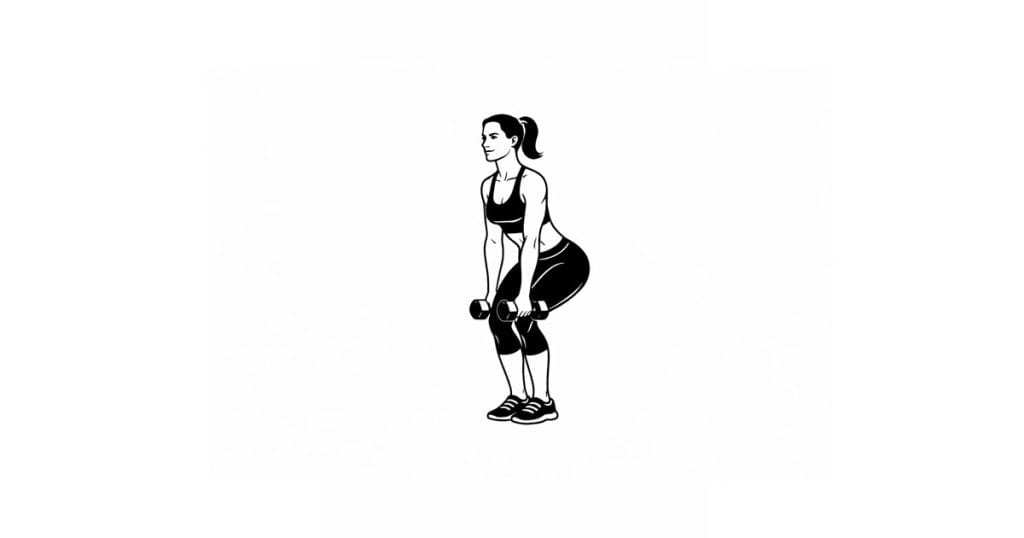
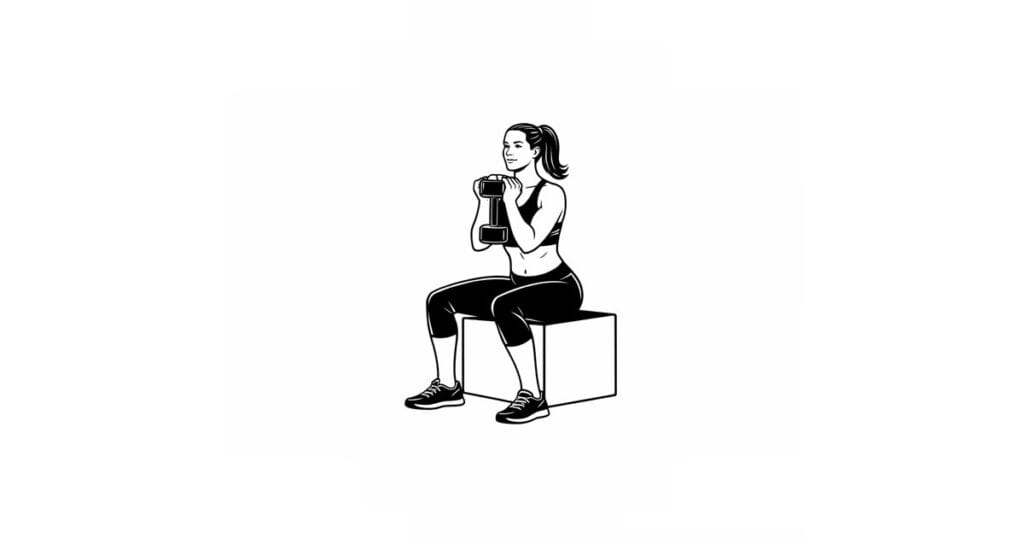
The Kettlebell Lunge with Between-the-Legs Pass is a dynamic lower-body strength exercise that combines a forward lunge with a controlled kettlebell transfer beneath the front thigh. The exercise primarily targets the quadriceps while engaging the glutes, hamstrings, adductors, calves, core, obliques, shoulders, and forearms. By combining unilateral leg training with a hand-to-hand kettlebell pass, the movement challenges lower-body strength, balance, coordination, grip control, and trunk stability.
Unlike a traditional kettlebell lunge, which keeps the weight in a relatively fixed position, this variation requires the kettlebell to move from one side of the body to the other. The changing position of the load introduces an additional balance challenge and requires the core muscles to resist unnecessary rotation. The movement also develops coordination between the upper and lower body as the athlete maintains a stable lunge while transferring the kettlebell.
To perform the Kettlebell Lunge with Between-the-Legs Pass, begin standing tall with your feet approximately hip-width apart. Hold one kettlebell securely in your right hand with your arm resting at your side. Keep your shoulders relaxed, chest lifted, and abdominal muscles engaged. Establish a stable standing position before beginning the first repetition.
Take a controlled step forward with your left leg and bend both knees to lower your body into a forward lunge. Keep your front knee tracking in the same general direction as your toes while allowing your rear knee to move toward the floor. Maintain enough space between your feet to support balance and prevent unnecessary side-to-side movement.
Once you reach a comfortable lunge depth, stabilize your torso and prepare to transfer the kettlebell. Guide the kettlebell beneath your front thigh from your right hand toward your left hand. Keep the weight close to your body and avoid swinging it excessively. The receiving hand should establish a secure grip before the original hand releases the handle.
After completing the hand transfer, bring the kettlebell outside your left leg while maintaining your lunge position. Push firmly through your front foot to extend your front hip and knee, returning to the original standing position. Keep your torso controlled and avoid allowing the kettlebell to pull your body sideways during the upward movement.
For the next repetition, step forward with your right leg while holding the kettlebell in your left hand. Lower into a controlled lunge and pass the kettlebell beneath your right thigh into your right hand. Continue alternating legs and hands while maintaining consistent movement mechanics.
The quadriceps are the primary muscles involved in the exercise. They control knee flexion during the lowering phase and produce knee extension as the body returns to standing. Because the movement is performed one leg at a time, each quadriceps group must contribute independently to supporting and moving the body.
The glutes assist with hip extension during the upward phase and help stabilize the pelvis throughout the lunge. The hamstrings contribute to hip control and lower-body stability, while the adductors help maintain proper thigh positioning. The calves assist with ankle stability as the body moves forward, downward, and back into the standing position.
The core and obliques play an important role during the kettlebell transfer. As the weight moves beneath the front thigh and across the body, the torso must resist excessive twisting and sideways leaning. Maintaining abdominal tension helps stabilize the spine and pelvis while allowing the arms to move independently.
The shoulders and forearms also contribute to the exercise. The shoulders help position and guide the kettlebell during the transfer, while the forearms and hands maintain control of the handle. The hand-to-hand pass introduces an additional grip challenge because the kettlebell must be transferred securely without interrupting balance.
One common mistake is attempting to pass the kettlebell before establishing a stable lunge position. Moving the weight while the body is still descending can make balance more difficult and increase the likelihood of losing control. Lower into the lunge first, stabilize your body, and then perform the transfer deliberately.
Another common mistake is swinging the kettlebell excessively. The purpose of the pass is to move the weight from one hand to the other while maintaining control, not to generate momentum. Keep the kettlebell close to the body and guide it smoothly beneath the front thigh.
Excessive torso rotation should also be avoided. Although the arms move across the body, the hips and shoulders should remain relatively aligned. Rotating the torso to reach the kettlebell can reduce stability and place unnecessary stress on the lower back. Maintain a braced core and allow the arms to complete the transfer.
The Kettlebell Lunge with Between-the-Legs Pass differs from the standard Kettlebell Lunge by adding a coordinated upper-body movement. It also differs from the Kettlebell Figure 8, which involves passing the kettlebell continuously around and between the legs in a wider stance. This variation combines a distinct forward lunge with a controlled transfer beneath the leading thigh.
Overall, the Kettlebell Lunge with Between-the-Legs Pass is an effective exercise for developing unilateral leg strength, balance, coordination, and core stability. When performed with appropriate resistance, controlled stepping, stable knee alignment, a secure kettlebell transfer, and deliberate movement, it provides a challenging variation of the traditional kettlebell lunge.