The glute bridge is a foundational lower-body exercise that targets the glutes while improving hip extension, core stability, and overall posterior chain strength. It is widely used in strength training, rehabilitation, and activation routines due to its simplicity, effectiveness, and low impact on the joints. Whether you are new to exercise or experienced, the glute bridge provides essential benefits for improving movement quality and building a stronger lower body.
The primary muscle group activated during the glute bridge is the glutes. These muscles play a key role in hip extension, which is essential for movements such as walking, running, jumping, and lifting. Strengthening the glutes can improve athletic performance, enhance posture, and reduce the risk of injury. Proper activation of the glutes is also important for preventing compensation patterns that can lead to strain in other areas of the body.
Secondary muscles involved include the hamstrings, core, and lower back. The hamstrings assist in lifting the hips, while the core stabilizes the spine and prevents excessive arching. The lower back provides additional support but should not be the primary driver of the movement. When performed correctly, the glute bridge encourages balanced muscle engagement and reinforces proper movement patterns.
One of the main benefits of the glute bridge is improved hip extension. Many people develop tight hip flexors and weak glutes from prolonged sitting. The glute bridge helps counteract this by strengthening the muscles responsible for extending the hips, promoting better alignment and mobility.
Another important benefit is enhanced core stability. Although it is primarily a lower-body exercise, the glute bridge requires core engagement to maintain a neutral spine. This helps improve overall stability and supports better performance in other exercises and daily activities.
The glute bridge is also commonly used as an activation exercise. It helps “wake up” the glutes before more complex movements such as squats and deadlifts. By improving muscle activation, it ensures that the correct muscles are engaged during training, reducing the risk of injury and improving efficiency.
Additionally, the glute bridge is a low-impact exercise that is suitable for a wide range of individuals. It places minimal stress on the joints, making it a safe option for beginners, those recovering from injury, or anyone looking to build strength without high impact.
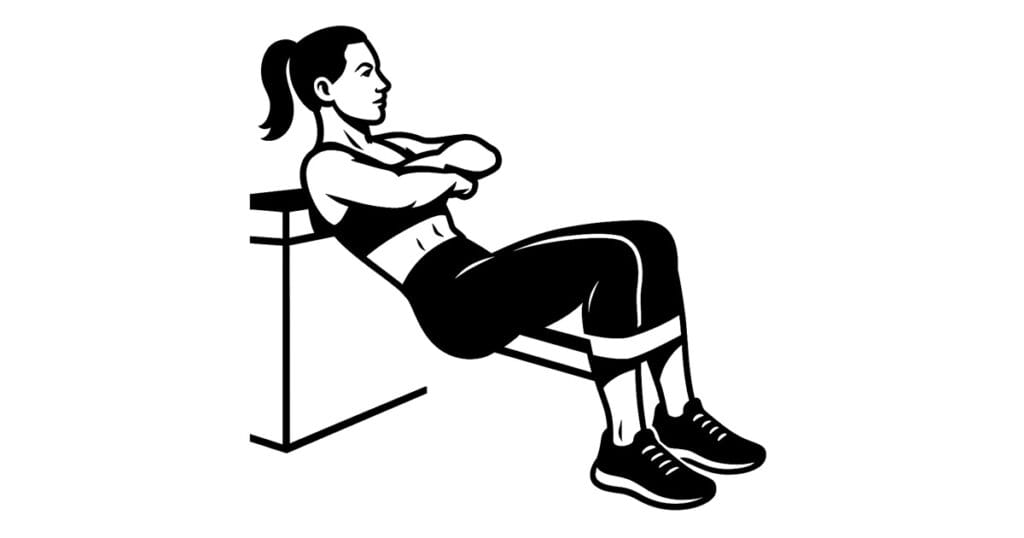
To perform the glute bridge, lie on your back with your knees bent and feet flat on the floor. Position your feet close enough so that your fingertips can reach your heels. Keep your arms relaxed at your sides and your head resting on the ground.
Before lifting, engage your core and lightly press your lower back into the floor. This helps maintain proper alignment throughout the movement. Drive through your heels to lift your hips upward, focusing on squeezing your glutes rather than pushing with your lower back.
At the top of the movement, your body should form a straight line from your shoulders to your knees. Avoid overextending your hips, as this can place unnecessary strain on the lower back. Hold briefly, then lower your hips slowly and with control.
Common mistakes include arching the lower back, pushing through the toes, and allowing the knees to collapse inward. These errors reduce the effectiveness of the exercise and can increase the risk of discomfort.
From a safety perspective, maintaining proper form is essential. Focus on controlled movement, proper alignment, and muscle engagement. If you feel strain in your lower back, reassess your technique and ensure that your glutes are doing the majority of the work.
Overall, the glute bridge is a versatile and highly effective exercise for strengthening the glutes, improving hip function, and supporting better movement patterns. Its simplicity and accessibility make it a valuable addition to any fitness routine.