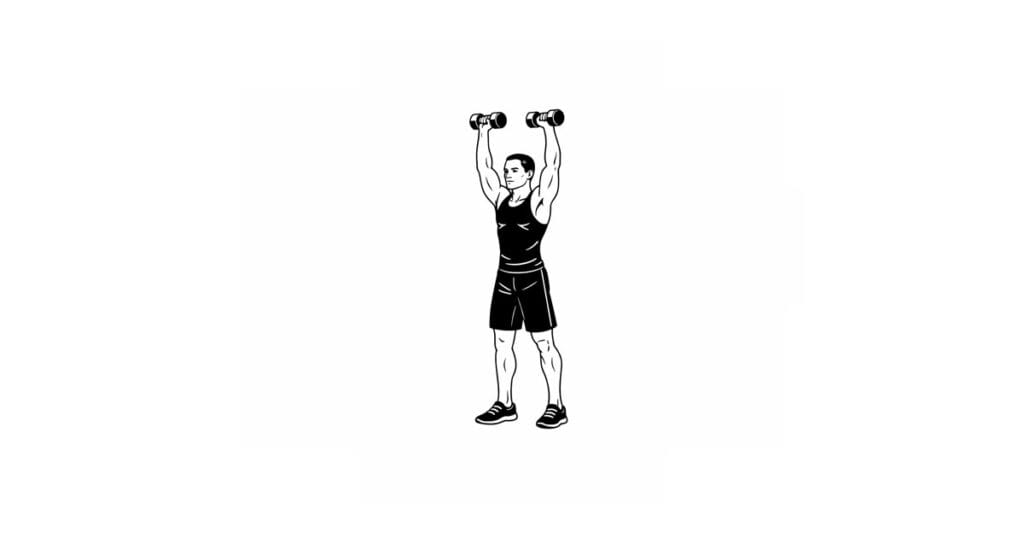
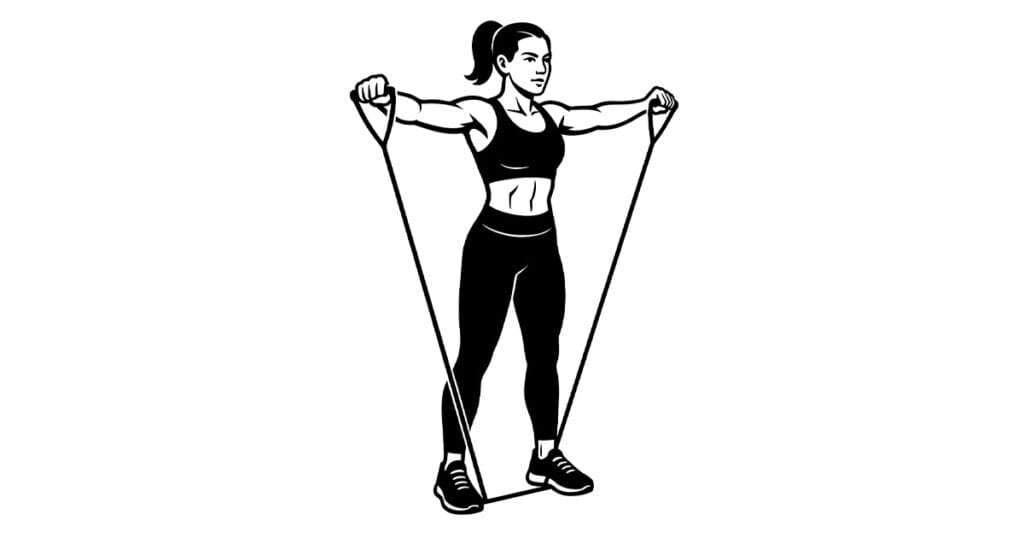
The Dumbbell Shoulder Rotation is a highly effective exercise designed to strengthen the rotator cuff muscles and improve overall shoulder stability. This movement focuses on controlled rotation of the shoulder joint, making it particularly valuable for injury prevention, rehabilitation, and enhancing joint integrity. Unlike traditional strength exercises that emphasize larger muscle groups, this exercise targets smaller stabilizing muscles essential for proper shoulder function.
The primary muscles involved are the rotator cuff muscles, including the infraspinatus and teres minor during external rotation, and the subscapularis during internal rotation. These muscles play a crucial role in stabilizing the shoulder joint and controlling rotational movements. The upper back muscles also assist by maintaining posture and proper alignment throughout the exercise.
One of the key benefits of this exercise is its role in injury prevention. The shoulder joint is highly mobile, which makes it more vulnerable to instability and injury. Strengthening the rotator cuff improves joint support and reduces the risk of strains, tears, and other shoulder-related issues, especially for those who perform repetitive overhead movements or weight training.
Another advantage is improved joint control and movement quality. The slow, controlled nature of the exercise enhances neuromuscular coordination and reinforces proper movement patterns. This can translate to better performance in other upper body exercises and everyday activities.
Using a light dumbbell is essential for this movement. Because the rotator cuff muscles are relatively small, heavy weights are unnecessary and can increase injury risk. A lighter load allows for precise control and ensures the correct muscles are being activated.
Proper technique is critical. The elbow should remain fixed at the side, acting as a pivot point while the rotation occurs at the shoulder joint, not the elbow or wrist. This alignment ensures that the rotator cuff muscles are effectively targeted.
It is important to work within a comfortable range of motion. Forcing the movement beyond natural limits can place unnecessary stress on the joint. Controlled, deliberate motion is far more beneficial than excessive range.
The Dumbbell Shoulder Rotation can be performed in different positions, such as standing or lying on your side. Each variation offers slightly different stability demands but maintains the same focus on controlled, precise movement.
Breathing and tempo also matter. Exhaling during the rotation and inhaling during the return helps maintain rhythm and control. A slow tempo ensures continuous muscle engagement and better results.
With consistent practice, this exercise can significantly improve shoulder health and long-term joint resilience. It is commonly used in warm-ups and rehabilitation programs due to its focus on stability and injury prevention.
Overall, the Dumbbell Shoulder Rotation is a simple yet essential exercise for strengthening the rotator cuff, improving shoulder stability, and supporting healthy movement patterns. Its emphasis on control, precision, and joint integrity makes it a valuable addition to any training routine.