Downward Dog is a foundational bodyweight exercise widely used in yoga and mobility training to improve flexibility, posture, and full-body coordination. This pose combines elements of stretching and strength, making it one of the most effective movements for enhancing overall mobility while also building stability in the upper body and core.
The primary focus of Downward Dog is improving mobility throughout the body, particularly in the posterior chain. The hamstrings and calves experience a deep stretch as the legs straighten and the heels move toward the ground. At the same time, the shoulders and upper back are actively engaged to support the body’s weight and maintain alignment.
The shoulders play a significant role in stabilizing the movement. Pressing through the hands activates the deltoids and surrounding muscles, helping to build strength and endurance in the upper body. The upper back also contributes by supporting proper posture and preventing the shoulders from collapsing.
The core is engaged throughout the pose to maintain spinal alignment. By activating the abdominal muscles, the body resists excessive arching in the lower back, reinforcing an anti-extension pattern. This helps protect the spine and improves overall core stability.
One of the key benefits of Downward Dog is its ability to lengthen the spine. By lifting the hips and pressing the chest toward the thighs, the movement creates space between the vertebrae, which can help relieve tension and improve posture. This is especially beneficial for individuals who spend long periods sitting or standing.
Another advantage is its versatility. Downward Dog can be used as a warm-up, a mobility drill, or a recovery movement. It also works well as a transition between exercises, making it a staple in many training and movement routines.
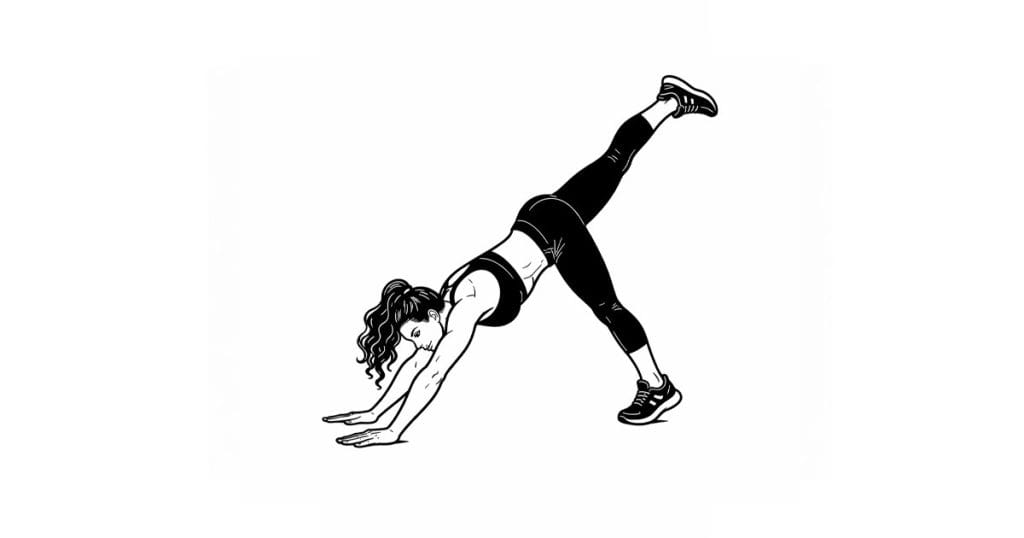
Proper technique is essential to maximize the benefits. The hips should be lifted high, creating an inverted “V” shape with the body. The spine should remain long and neutral rather than rounded. Keeping a slight bend in the knees can help maintain proper alignment, especially for those with limited flexibility.
Breathing is an important component of the pose. Slow, controlled breaths help relax the muscles and allow for a deeper stretch. Consistent breathing also improves focus and body awareness.
Common mistakes include rounding the back, placing too much weight on the wrists, and forcing the heels to the ground. These errors can reduce effectiveness and increase the risk of discomfort. Focusing on alignment and controlled breathing ensures better results.
From a safety perspective, it’s important to work within your current range of motion. If discomfort occurs in the wrists or shoulders, adjustments such as bending the knees or shifting weight slightly back can help reduce strain.
Overall, Downward Dog is a highly effective and accessible exercise that improves flexibility, builds upper body strength, and enhances overall movement quality. Its combination of stretching and stability makes it a key movement in any mobility or functional fitness routine.