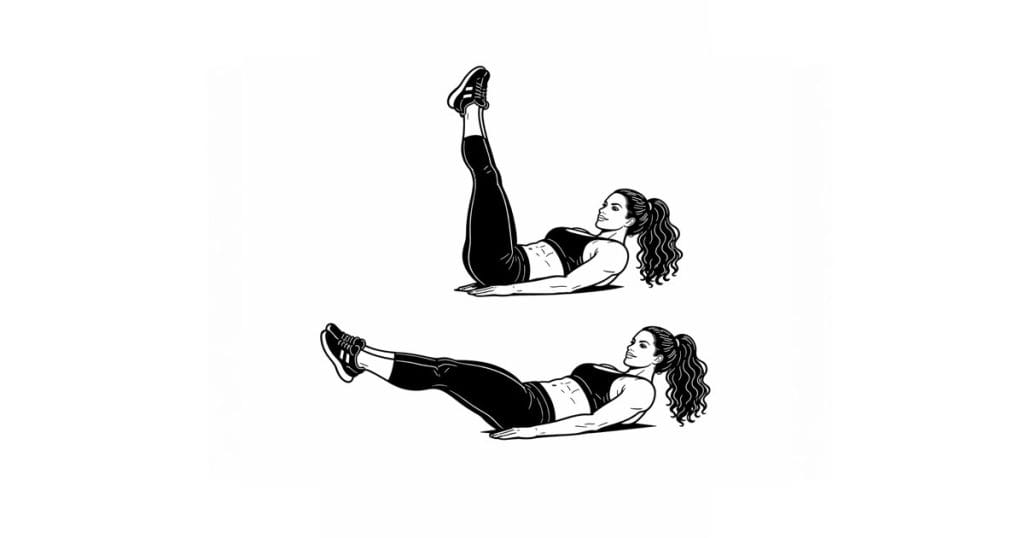
The circle crunch is a dynamic core exercise that combines abdominal flexion with rotational movement to effectively target both the rectus abdominis and the obliques. By incorporating a circular motion into a traditional crunch pattern, this exercise challenges the core in multiple planes of motion, making it highly effective for building strength, stability, and muscular control.
This movement places a strong emphasis on the abdominal muscles while increasing activation of the obliques due to the rotational component. The hip flexors assist in stabilizing the lower body, allowing the core to remain engaged throughout the exercise. This combination of stabilization and movement enhances overall core function and contributes to better balance and coordination.
One of the key benefits of the circle crunch is increased time under tension. Because the motion is continuous and controlled, the abdominal muscles remain engaged for longer periods, which can improve muscular endurance and promote more effective conditioning. This sustained activation makes the exercise particularly valuable for strengthening the core.
Another advantage is its accessibility and versatility. The circle crunch requires no equipment and can be performed in a variety of settings. The intensity can be easily adjusted by changing the size of the circles, slowing down the tempo, or increasing the duration of each set, making it suitable for a wide range of fitness levels.
Proper technique is essential for maximizing effectiveness. Keeping the lower back pressed into the floor ensures that the core remains engaged and helps protect the spine. The circles should be small and controlled, focusing on deliberate movement rather than speed or range. Maintaining a neutral neck position helps prevent unnecessary strain.
Breathing plays an important role in maintaining control. Exhaling during the contraction phase helps engage the core more effectively, while inhaling during the transition supports rhythm and stability. Controlled breathing also reduces tension in the upper body.
Common mistakes include using momentum, making the circles too large, and allowing the lower back to lift off the ground. These issues can reduce muscle activation and increase the risk of discomfort. Emphasizing slow, controlled movement helps maintain proper form.
From a safety perspective, individuals should stay within a comfortable range of motion and avoid excessive strain on the neck or lower back. Starting with smaller, controlled circles allows for better technique and gradual progression.
Overall, the circle crunch is an effective and engaging core exercise that enhances strength, endurance, and coordination. Its combination of flexion and rotation makes it a valuable addition to any routine focused on developing a strong and well-balanced core.