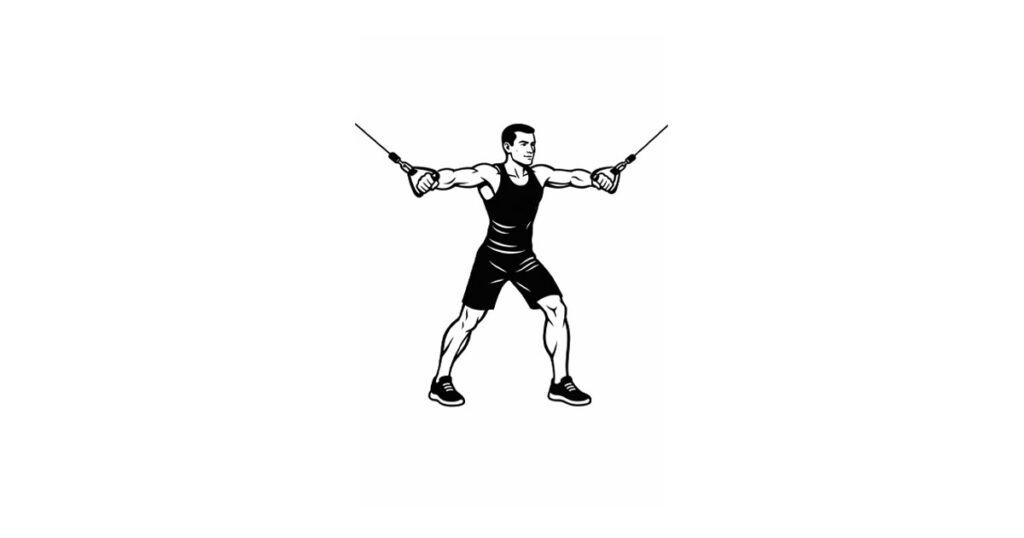
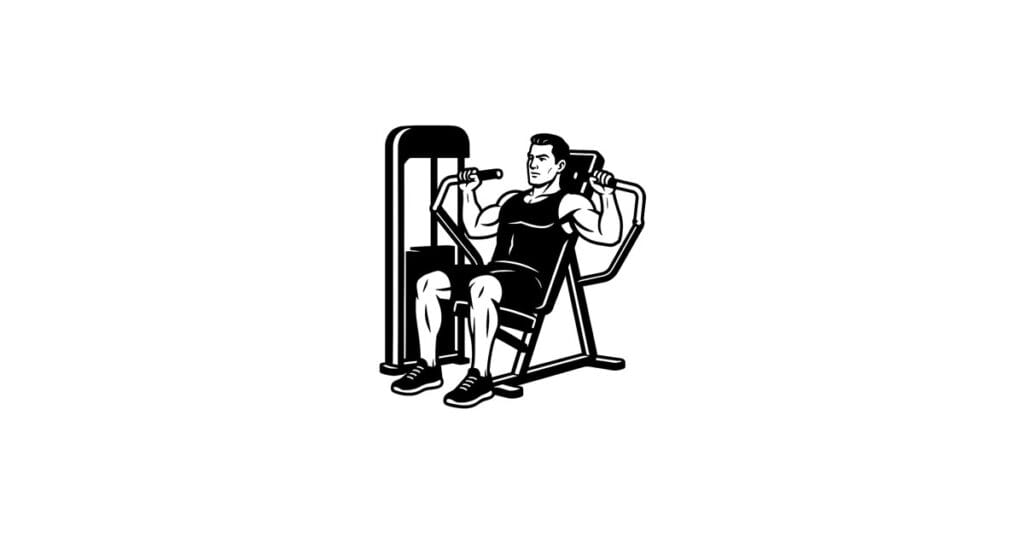
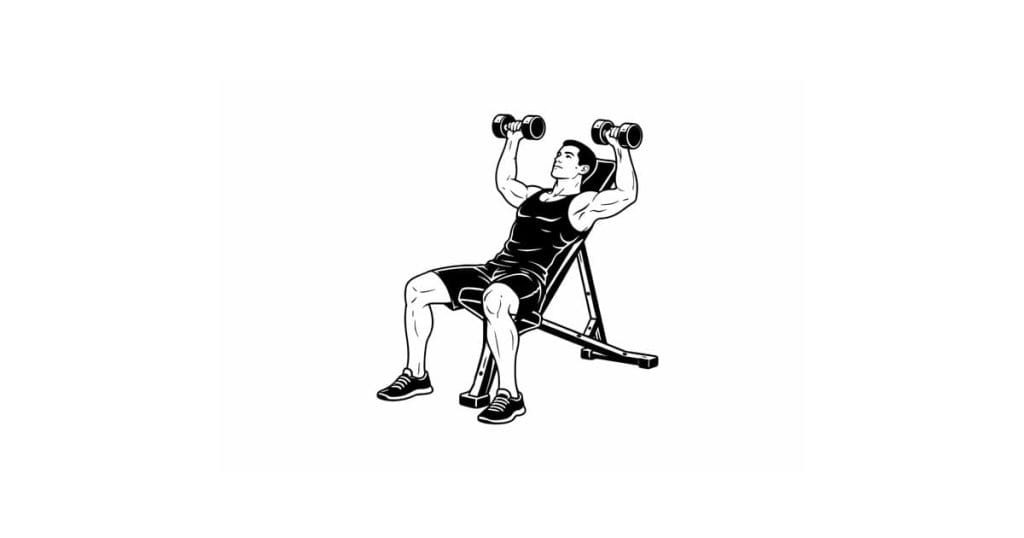
The Cable Chest Press is a versatile pushing exercise that targets the chest while also engaging the shoulders, triceps, and core stabilizers. Unlike traditional barbell or dumbbell presses, it uses a cable machine to provide constant tension throughout the entire range of motion. This consistent resistance keeps the muscles engaged from start to finish, making the exercise effective for building upper-body strength and refining pressing mechanics.
The movement primarily trains the pectoral muscles through horizontal shoulder adduction and elbow extension. Because it is commonly performed in a standing position, the exercise also challenges core stability and requires assistance from the lower body to maintain balance and posture. This added demand makes the cable chest press useful for developing coordinated strength while reinforcing proper trunk control.
One of the major advantages of the cable chest press is its joint-friendly design. The independent handles allow each arm to move freely along a natural pressing path, reducing excessive stress on the shoulders compared to fixed-bar movements. This freedom of movement also allows lifters to adjust hand position to match individual comfort, mobility, and shoulder anatomy.
Proper setup is key to maximizing effectiveness and minimizing strain. Setting the pulleys at chest height aligns resistance with the pressing motion, while a staggered stance improves stability and limits backward sway. Keeping the core braced and the ribs down helps prevent excessive lower-back arching and ensures efficient force transfer through the upper body.
During execution, the emphasis should be on controlled, deliberate pressing rather than speed. Pressing the handles forward and slightly inward encourages optimal chest activation, and bringing the hands together at full extension enhances muscle contraction without requiring excessive load. The return phase should be slow and controlled to maintain tension and reinforce strength through the eccentric portion of the movement.
The cable chest press also allows for subtle adjustments that can shift emphasis within the chest. Variations in stance width, handle path, or torso angle can slightly alter muscle recruitment while preserving the fundamental pushing pattern. This adaptability makes the exercise suitable for both general strength training and hypertrophy-focused routines.
Because the cables constantly pull the arms backward, maintaining shoulder stability is essential. Keeping the shoulder blades stable and slightly retracted helps protect the joints and ensures the chest remains the primary driver of the movement. Excessive shoulder elevation or elbow flaring can reduce effectiveness and increase joint stress.
Overall, the Cable Chest Press is a controlled and effective chest exercise that supports upper-body strength, muscular balance, and improved pressing mechanics. When performed with proper technique, it offers a safe and efficient alternative to free-weight pressing while delivering consistent tension and refined movement control.