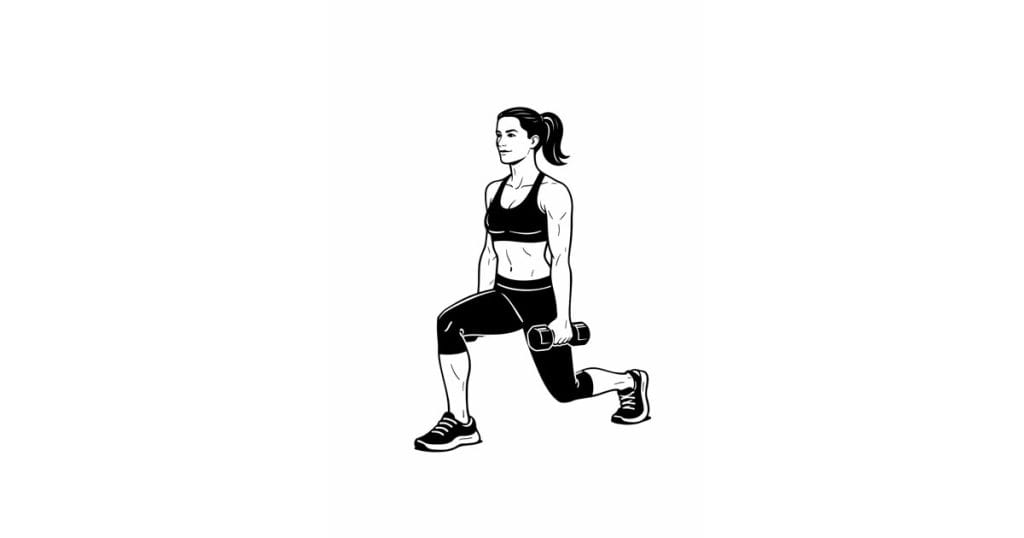
The Bulgarian split squat is a highly effective unilateral lower body exercise that builds strength, balance, and coordination while primarily targeting the quadriceps. It also engages the glutes, hamstrings, calves, and core, making it a comprehensive movement for lower body development. By elevating the rear foot on a bench or platform, the exercise places most of the load on the front leg, increasing muscle activation and improving overall stability.
This movement stands out for its ability to develop single-leg strength. Unlike traditional squats that distribute effort between both legs, the Bulgarian split squat isolates each side individually. This helps identify and correct muscular imbalances, leading to improved symmetry, better movement efficiency, and reduced risk of injury in both athletic and daily activities.
The elevated rear foot increases the range of motion, allowing for a deeper stretch and greater activation of the working muscles. The glutes play a key role in driving the body upward, while the quadriceps control both the descent and ascent. The hamstrings assist with stabilization, and the core remains engaged to maintain balance and proper alignment throughout the movement.
Balance and control are essential components of this exercise. Maintaining an upright torso and stable position requires continuous engagement of the core and supporting muscles. This not only strengthens the lower body but also enhances coordination and body awareness, making the movement highly functional.
Proper technique is crucial for maximizing effectiveness and ensuring safety. The torso should remain upright, and the front knee should track in line with the toes to protect the joint. The movement should be controlled, especially during the lowering phase, to maintain tension and avoid unnecessary strain.
Common mistakes include leaning forward excessively, positioning the front foot too close to the bench, and relying too much on the rear leg for support. These errors can reduce muscle activation in the working leg and increase stress on the joints. Focusing on proper setup and controlled movement helps maintain correct form.
From a safety perspective, using a stable surface for the rear foot is important. Beginning with bodyweight allows for proper technique development before progressing to added resistance. Adjusting range of motion based on comfort and mobility can help prevent discomfort, particularly for those with knee or hip concerns.
Overall, the Bulgarian split squat is a versatile and highly effective exercise for building lower body strength, improving balance, and enhancing functional movement. Its unilateral focus and increased range of motion make it a valuable addition to any strength or performance training routine.