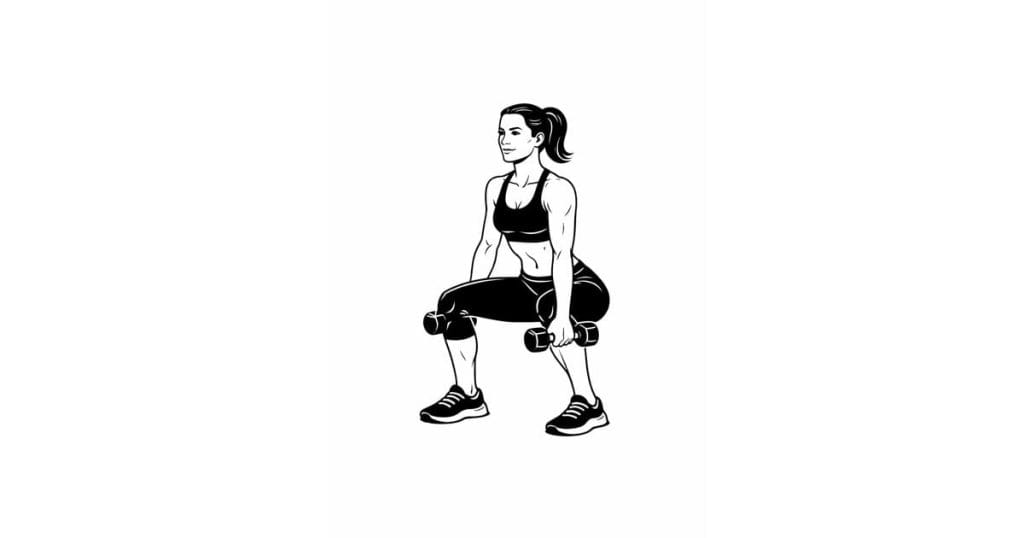
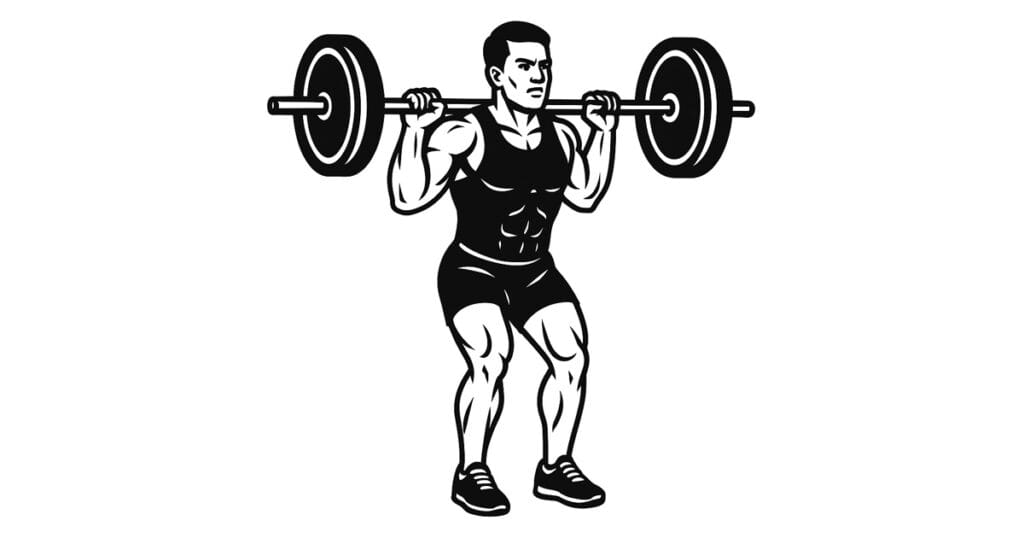
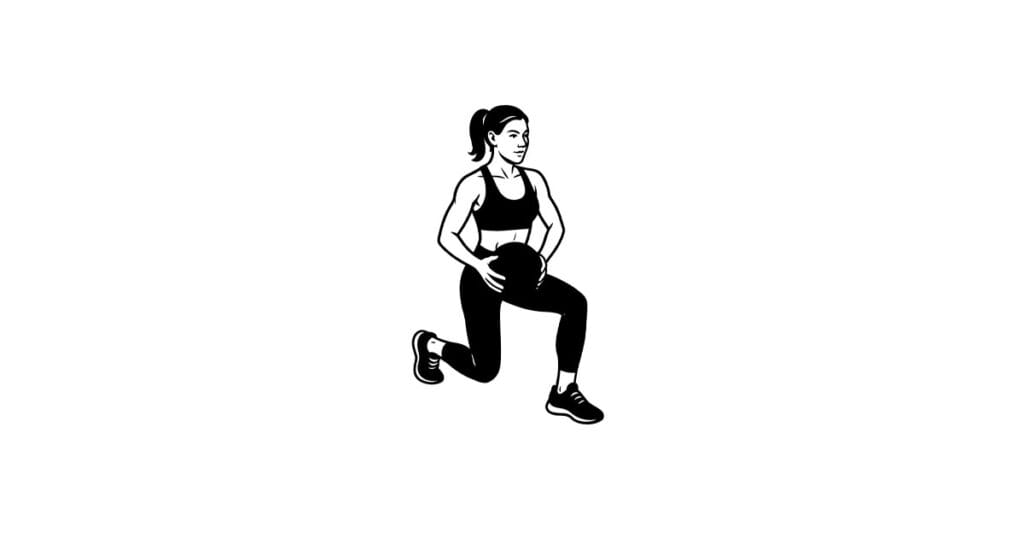
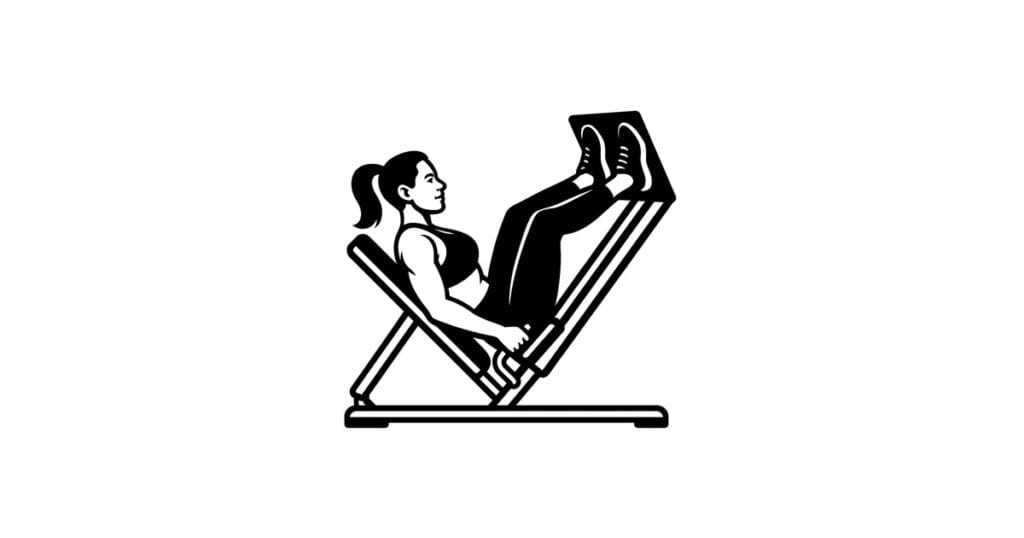
The bodyweight squat is a foundational lower body exercise that builds strength, improves mobility, and enhances overall movement quality through a natural and functional movement pattern. It primarily targets the quadriceps while also engaging the glutes, hamstrings, and core, making it a highly effective full lower body exercise suitable for all fitness levels.
This movement is based on a fundamental pattern used in everyday activities such as sitting and standing, which makes it especially valuable for developing functional strength. By practicing bodyweight squats, individuals can improve movement mechanics, increase efficiency, and reduce the risk of injury in both daily life and athletic performance.
One of the key benefits of the bodyweight squat is its ability to strengthen multiple muscle groups simultaneously. The quadriceps play a major role in controlling the descent and extending the knees during the ascent, while the glutes drive hip extension to return the body to a standing position. The hamstrings assist with stabilization, and the core works continuously to maintain posture and balance.
In addition to strength development, the exercise significantly improves mobility and flexibility, particularly in the hips, knees, and ankles. Performing squats through a controlled range of motion helps maintain joint health and supports better movement patterns over time.
The bodyweight squat also enhances balance and coordination. Maintaining stability throughout the movement requires engagement from stabilizing muscles across the lower body and core, which improves overall control and body awareness.
Proper technique is essential for maximizing effectiveness. The torso should remain upright with a neutral spine, the knees should track in line with the toes, and the heels should stay firmly grounded. The movement should be smooth and controlled, with the hips moving back and down rather than the knees shifting excessively forward.
Common mistakes include allowing the knees to collapse inward, lifting the heels off the ground, and leaning too far forward. These errors can reduce muscle engagement and place unnecessary stress on the joints. Maintaining proper alignment and control helps ensure safe and effective execution.
From a safety perspective, individuals should work within a comfortable range of motion and gradually increase depth as mobility improves. Controlled movement and proper form are key to avoiding strain and maximizing benefits.
Overall, the bodyweight squat is an essential exercise for building lower body strength, improving mobility, and supporting functional fitness. Its simplicity, versatility, and effectiveness make it a cornerstone movement in any training routine.