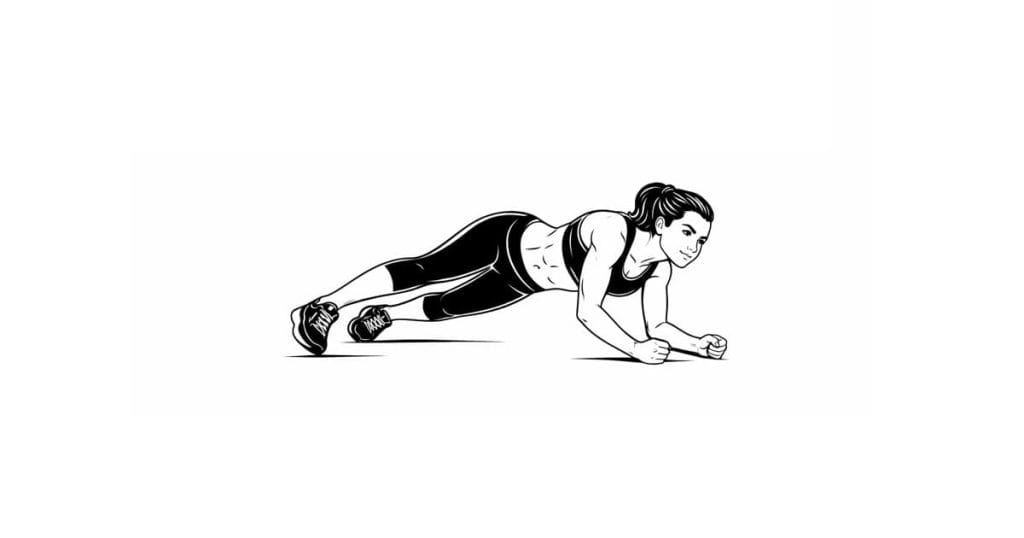
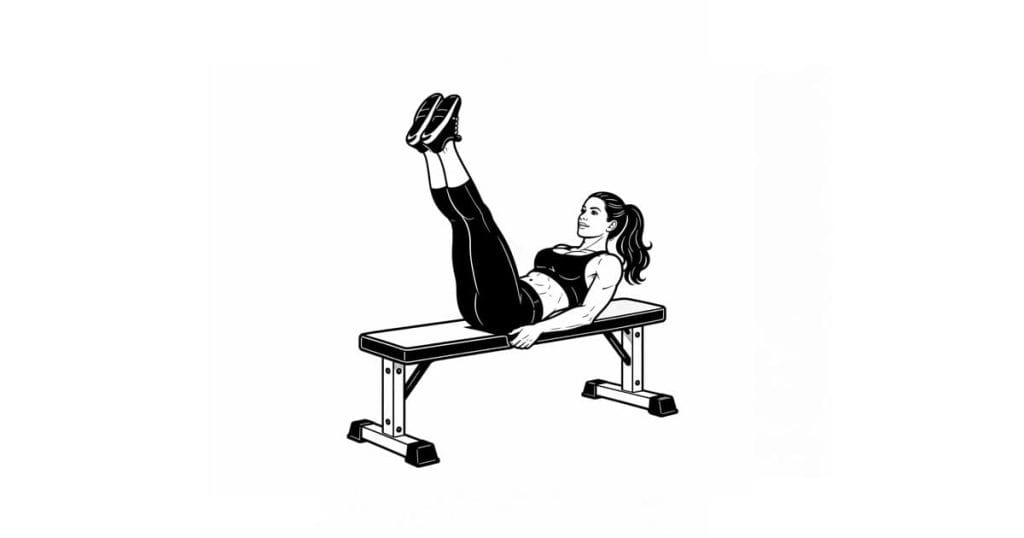
Alternating toe touches are a highly effective bodyweight core exercise that targets the abdominal muscles while also engaging the hip flexors and obliques. This variation of the traditional toe touch introduces an alternating, cross-body pattern that enhances coordination and promotes balanced muscle activation, making it a practical option for individuals at all fitness levels.
The movement begins with the body positioned flat on the ground, legs extended upward, and arms reaching toward the toes, creating immediate tension in the core. From this position, the upper body lifts off the floor as one hand reaches toward the opposite foot. This cross-body motion introduces a rotational component, increasing engagement of the obliques while still placing strong emphasis on the rectus abdominis.
One of the primary benefits of alternating toe touches is improved core strength. The repeated lifting and controlled lowering of the torso require continuous activation of the abdominal muscles, helping to build both strength and endurance. This contributes to better overall stability and supports performance in a wide range of physical activities.
The exercise also enhances coordination through its alternating pattern. By requiring the upper and lower body to move in a synchronized, cross-body manner, it improves neuromuscular control and reinforces movement patterns commonly used in daily life and athletic performance.
In addition to strengthening the core, alternating toe touches can improve flexibility, particularly in the hamstrings. Keeping the legs extended and elevated places a gentle stretch on the back of the thighs, which can help reduce tightness and improve overall mobility over time.
Proper technique is essential to maximize effectiveness. The movement should be controlled, with a focus on engaging the core rather than relying on momentum. Maintaining contact between the lower back and the floor helps protect the spine and ensures the abdominal muscles are doing the work. Coordinated breathing, especially exhaling during the reaching phase, can further enhance muscle activation.
Common mistakes include pulling on the neck, allowing the lower back to arch, and bending the knees excessively. These errors reduce the effectiveness of the exercise and may increase the risk of discomfort. Maintaining proper alignment and controlled movement is key to achieving optimal results.
From a safety standpoint, it is important to work within a comfortable range of motion and avoid forcing the movement. Individuals with lower back concerns should focus on maintaining core engagement and may need to adjust the range to ensure proper form.
Overall, alternating toe touches are a simple yet efficient exercise for strengthening the core, improving coordination, and enhancing flexibility. Their versatility and accessibility make them a valuable addition to any routine focused on developing a strong and stable midsection.